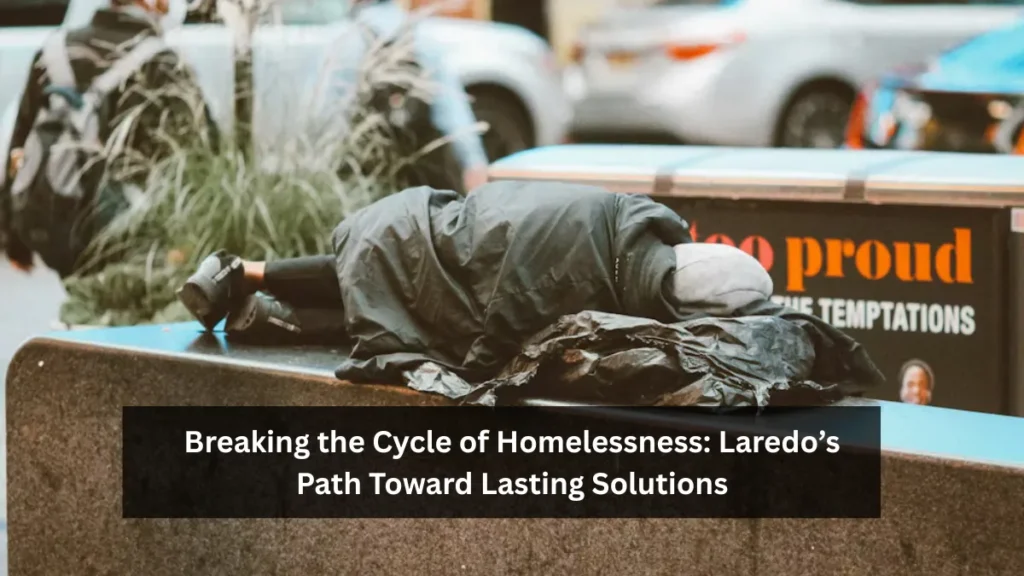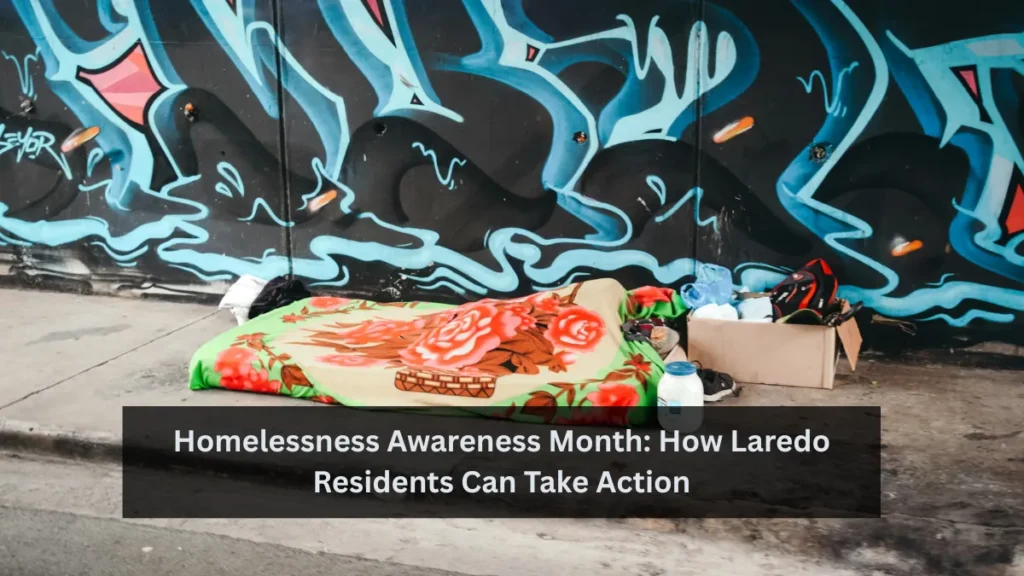
Homelessness is something most of us see but don’t fully understand. You might notice people sleeping in their cars, living in tents near highways, or sitting outside stores with backpacks. It can feel like a huge, unsolvable problem.
A big part of the story comes down to one key issue: affordable housing.
 How Homeless Coalitions Advocate for Policy Reform
When safe, stable housing is out of reach for regular working people, the line between “struggling to pay rent” and “being homeless” becomes very thin. In many parts of the United States, that is exactly what is happening.
This article walks through how housing costs and homelessness are connected, why the problem keeps growing, and what realistic steps individuals, families, and communities can take to help reduce the risk of homelessness.
What Is the Basic Problem?
At its core, the problem is simple to describe:
Many people in the U.S. cannot find a place to live that is both safe and affordable for their income. When rent or mortgage payments take up too much of a paycheck, there is very little room for emergencies, job loss, or health issues. One unexpected event can push someone from being housed to being homeless.
 Youth Homelessness in Laredo: Understanding the Growing Challenge
You do not have to be jobless or struggling with severe issues to be at risk. Many people experiencing homelessness have jobs, kids in school, or are seniors on fixed incomes. They are often not much different from the people you work with, live near, or see at the grocery store.
Why Does This Problem Happen?
1. Housing costs have risen faster than wages
In many American cities, rent has gone up much faster than paychecks. For example:
- A basic one-bedroom apartment can easily cost more than 30% of someone’s monthly income.
- Many renters spend 40% to 50% of their income on housing, which experts consider “cost-burdened.”
When such a large share of income goes to rent, there is not much left for:
- Food and transportation
- Childcare and school supplies
- Medical bills and prescriptions
- Savings for emergencies
If a car breaks down, a child gets sick, or work hours are cut, rent quickly becomes hard to cover. Late fees pile up. Eviction notices follow. For some, that ends in homelessness.
 Innovative Solutions to Homelessness: Laredo’s Approach to Community Care
2. Not enough affordable rentals are available
In a lot of communities, especially near jobs and schools, there simply are not enough lower-cost apartments available. This happens for several reasons:
- Older, cheaper buildings are torn down or renovated into higher-priced units.
- New construction often targets higher-income renters because that brings in more profit.
- Zoning rules in some areas limit building apartments or multi-family homes.
The result: long waiting lists for lower-cost units and more people competing for the few affordable places that exist.
3. Life events can quickly spiral without a housing safety net
Even when someone is careful with money, life can still hit hard. Common triggers that push people into homelessness include:
- Job loss or sudden reduction in work hours
- Major medical events or disability
- Divorce, separation, or conflict in the home
- Domestic violence or unsafe living situations
- Family members passing away, especially if they helped with housing costs
If a person or family has no savings, no extra room on a credit card, and no family who can help, the slide from “barely making rent” to “nowhere to stay” can be fast.
4. Support systems are stretched thin
Most communities have shelters, food banks, and local programs, but they often face challenges:
- Limited beds and long waitlists
- Short-term stays that do not allow enough time to get back on track
- Transportation barriers for people without cars
- Not enough staff to help with job searches, housing applications, or paperwork
Because of these limits, people can bounce between friends’ couches, cars, motels, and shelters without ever finding stable housing again.
How Affordable Housing and Homelessness Are Connected
To understand the connection, it helps to think in layers.
Layer 1: Affordable housing as a “floor”
Affordable housing acts like a safety floor. When there are enough low-cost housing options:
- People who lose a job can move to a cheaper place instead of the street.
- Seniors on fixed incomes can downsize without becoming homeless.
- Young adults leaving foster care or difficult homes can find a basic, stable place to start.
When affordable housing is scarce, that floor disappears. People have nowhere to “step down” to, so they fall much further when something goes wrong.
Layer 2: The thin line between housed and homeless
Research and local surveys in many American cities show that a large number of people experiencing homelessness were recently housed. They often report similar experiences:
- They were paying more than they could really afford for rent.
- An event (job loss, breakup, medical bill) caused them to fall behind.
- They did not have savings or anyone who could take them in long-term.
This pattern repeats itself across the country. The common thread is that high housing costs leave very little margin for error.
Layer 3: Community impacts
When affordable housing is limited, it affects more than just individuals:
- Workers have to commute longer distances from cheaper areas, which strains families and transportation systems.
- Children may move frequently, changing schools often, which affects learning and friendships.
- Local businesses may struggle to hire workers if those workers cannot afford to live nearby.
Homelessness becomes a visible symptom of a deeper housing mismatch: too many people needing homes, and not enough homes they can realistically afford.
Step-by-Step: How Individuals and Families Can Reduce Their Risk
No one can control the entire housing market, but there are practical steps people can take to lower their own risk of housing loss. These steps are not perfect solutions, but they can make a difference.
Step 1: Know your housing cost limits
A common guideline is to aim to spend no more than around 30% of your gross (before tax) monthly income on housing. For example:
- If you earn 3,000 per month before taxes, try to keep rent around 900 per month.
- If you earn 4,500 per month, a rent around 1,350 is closer to that target.
In many areas this is hard to achieve, but it is still useful as a benchmark. If your housing costs go far beyond this, you may face more risk when something unexpected happens.
Step 2: List all housing-related costs
Rent is not the only cost. When you compare places, write down:
- Monthly rent
- Utilities (electricity, gas, water, trash)
- Internet and basic phone service
- Parking fees or transportation costs if you move farther from work
- Renter’s insurance if you choose to have it
Sometimes a slightly higher rent with utilities included can be safer than a cheaper place with unpredictable utility bills.
Step 3: Create a small emergency cushion, even if it starts tiny
Saving is difficult when money is tight, but even a small emergency fund can help avoid a crisis. Consider:
- Setting aside a fixed small amount from each paycheck toward housing emergencies.
- Keeping that money in a separate account or a labeled envelope so it is not used for daily spending.
The goal is not a large amount right away. The goal is to build some buffer to cover a week or two of missed income or a surprise expense.
Step 4: Learn about local housing resources before you need them
Many people only look for help when they already have an eviction notice. It can help to know your local landscape ahead of time. You can:
- Search online for your city or county name plus “housing assistance,” “rental assistance,” or “homeless services.”
- Note down phone numbers or locations of local nonprofits, community action agencies, or faith-based groups that support renters.
- Check if your area has 2-1-1 (a community services line in many parts of the U.S.) and see what services it lists.
Having this information handy can save valuable time if your housing situation becomes unstable.
Step 5: Talk with landlords early if you are struggling
While each situation is different, some landlords are willing to:
- Arrange payment plans
- Accept partial payments with a clear schedule
- Allow a roommate if it helps you stay current
If you wait until you are months behind, it becomes harder for them to work with you. Calm, early communication before things get out of hand can sometimes prevent eviction.
Step-by-Step: How Communities Can Address the Root Causes
Lasting change requires more than individual effort. Communities across the U.S. are experimenting with ways to increase affordable housing and reduce homelessness.
Step 1: Understand local housing patterns
Community groups, schools, and neighborhood associations can start by asking:
- Are workers commuting long distances because they cannot afford to live nearby?
- Are shelters or local hotels consistently full?
- Are there many evictions filed in local courts?
This basic information can help leaders see how serious the housing gap is.
Step 2: Support the creation of mixed-income housing
Some communities work to support housing developments that include:
- Units at full market price
- Units reserved at lower rents for people with modest incomes
- Units designated for seniors, veterans, or people with disabilities
Mixed-income buildings can help keep neighborhoods diverse while increasing the total number of homes available.
Step 3: Encourage preservation of existing affordable units
Instead of only building new housing, some communities focus on keeping existing lower-cost units from disappearing. This can involve:
- Supporting repairs for older buildings so they remain safe and livable
- Working with local organizations to purchase buildings at risk of being converted into high-priced units
- Encouraging policies that help keep long-term renters in place
Keeping what is already affordable can be faster than building new homes from scratch.
Step 4: Expand supportive services alongside housing
Housing alone does not solve every problem. Many people need extra help to stay housed, such as:
- Job training or employment support
- Transportation assistance
- Help with forms, IDs, and applications
- Case management to coordinate services
When communities link housing with these supports, people are more likely to stay housed instead of returning to homelessness.
Helpful Tips and Common Mistakes to Avoid
Tips for individuals and families
- Keep records: Save copies of your lease, payment confirmations, and any written communication with your landlord.
- Ask for help early: If you think you may miss a rent payment, reach out to local assistance programs as soon as possible.
- Consider shared housing: Roommates, house-sharing with relatives, or renting part of a home can reduce costs, as long as everyone agrees clearly on expectations.
- Watch for small increases: A small rent increase might be manageable now but could become a problem later. Plan ahead for how you will cover it.
Common mistakes that increase housing risk
- Ignoring notices: Throwing away or avoiding mail from landlords or property managers usually makes things worse.
- Relying only on short-term fixes: Using high-interest credit cards or loans to pay rent repeatedly can lead to serious debt and does not solve the underlying affordability issue.
- Moving without a plan: Leaving an apartment without having a stable next option can lead to couch-surfing, motel stays, and eventually homelessness.
- Not talking with others: Many people suffer in silence. Trusted friends, family members, community leaders, or support groups can sometimes offer options you have not considered.
Conclusion: Why Affordable Housing Matters for Everyone
Affordable housing is not just a concern for people who are already struggling. It affects entire communities, from school stability to local business health. When regular working people, seniors, and young adults cannot find places they can reasonably afford, homelessness becomes more common and harder to solve.
The connection between affordable housing and homelessness is clear: when housing costs are too high and options are too limited, more people are pushed to the edge, and more fall through the cracks. While no single person can fix the whole system, individuals, families, and communities can all take practical steps to reduce risk and support safer, more stable housing.
FAQ’s
Is homelessness always caused by personal problems?
No. Personal challenges like addiction or mental health issues can play a role for some people, but they are not the whole story. Many people become homeless primarily because their rent was too high for their income, and they had no backup when a life event occurred. The lack of affordable housing creates conditions where normal setbacks quickly lead to losing housing.
Can someone with a job still end up homeless?
Yes. In many parts of the U.S., people working full-time at lower wages cannot afford typical rents near their jobs. Some people who are homeless work in retail, food service, warehouses, or temporary jobs. Their income may be too low or too unstable to cover high housing costs, especially if they support children or send money to family.
What is the difference between “affordable housing” and “subsidized housing”?
Affordable housing is a general term for housing that costs a reasonable share of a household’s income. It can be privately owned or supported by public programs. Subsidized housing refers more specifically to homes where part of the rent is covered by a program so that the tenant pays less out of pocket. Both aim to keep housing costs from overwhelming a family’s budget.