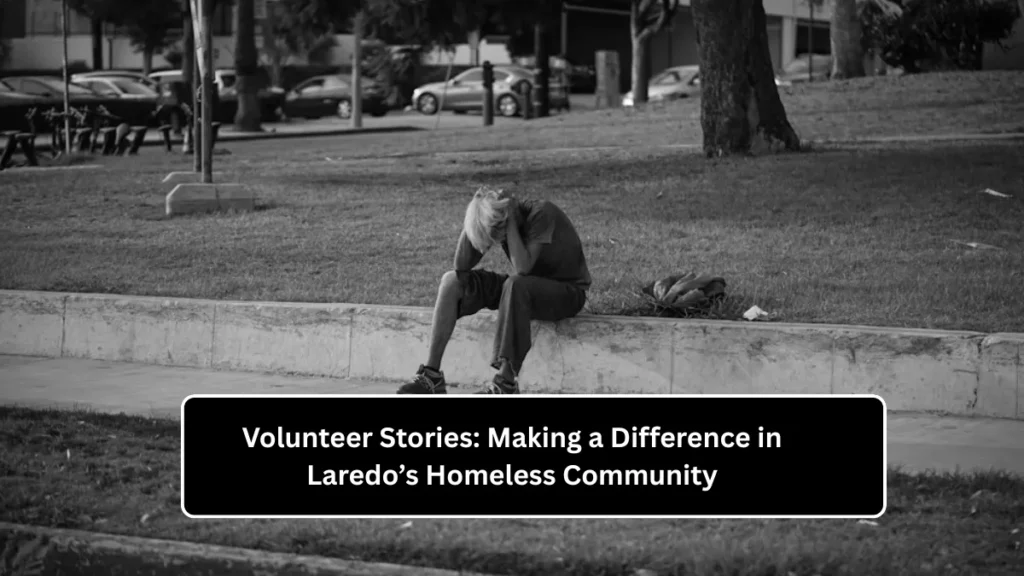
Homelessness is not just a distant urban issue—it’s a growing challenge in communities like Laredo, Texas, where limited resources often struggle to meet rising needs. Despite the city’s commitment to helping vulnerable populations, local organizations alone cannot shoulder the entire burden. The true transformation in addressing homelessness comes from the power of collaboration. Local partnerships—between nonprofits, government agencies, faith-based organizations, and the private sector—are redefining how Laredo supports those experiencing homelessness.
By working together, these partners can pool resources, share expertise, and build a stronger, more compassionate network of care. This article explores how such collaborations are reshaping homeless services in Laredo, offering both immediate relief and long-term solutions.
 Housing First: Laredo’s Strategy to Provide Stability for the Homeless
Understanding the Landscape of Homelessness in Laredo
Laredo’s location at the U.S.-Mexico border makes its homelessness crisis unique. Many individuals experiencing homelessness face not just economic hardship but also immigration barriers, language challenges, and limited access to health care. The combination of these factors often leads to cycles of poverty that are difficult to break without coordinated community support. Local shelters, food programs, and social workers work tirelessly, yet they face the ongoing challenge of funding shortages and increasing demand.
The most pressing need in Laredo’s homeless services sector is coordination. When each organization operates in isolation, duplication of efforts occurs, and some individuals fall through the cracks. Partnerships create a unified system where each group can focus on its strengths—whether it’s providing shelter, mental health care, or job training—while ensuring that all residents receive holistic and consistent support.
How Local Partnerships Create Stronger Networks
In Laredo, collaboration has become a cornerstone of progress. Local partnerships allow organizations to leverage one another’s strengths to deliver more comprehensive services. When nonprofits partner with local government departments, they gain access to valuable data, public funding, and logistical support. Meanwhile, city agencies benefit from the on-the-ground expertise that community organizations bring.
For instance, homeless outreach programs that once struggled to locate individuals in need now work alongside health clinics and churches that have established relationships with at-risk populations. This trust-based model allows for faster identification of individuals who require emergency assistance and ensures a more effective referral process. The result is not just improved service delivery but also a sense of community ownership over the problem.
 How Local Schools Support Homeless Students in Laredo
The Power of Public and Private Collaboration
Businesses in Laredo are increasingly playing a vital role in addressing homelessness. Through donations, employment programs, and volunteer engagement, the private sector is helping to create sustainable solutions. A local restaurant that provides daily meals to shelters or a construction firm that hires people transitioning out of homelessness can make a long-lasting impact.
Such collaborations also strengthen the local economy. When individuals experiencing homelessness gain stable housing and employment, they become active participants in the community once more. This reduces reliance on emergency services and creates a healthier, more balanced local economy. These partnerships remind everyone that addressing homelessness is not just an act of charity—it’s an investment in the future of Laredo.
Nonprofit Collaboration and Resource Sharing
Nonprofits in Laredo have long been at the forefront of serving the homeless community, but what sets the recent years apart is their shift toward collaboration rather than competition. By sharing resources, data, and facilities, these organizations have managed to extend their reach without increasing their budgets.
A coordinated network allows nonprofits to focus on specialized roles. One organization might focus on shelter and meals, another on mental health counseling, and a third on workforce reintegration. Through regular meetings and shared case management systems, service providers ensure that no one is left behind. This not only strengthens outcomes for individuals but also helps nonprofits demonstrate accountability and impact, which attracts further funding from donors and foundations.
 Providing Essential Supplies: How Laredo Supports Those in Need
Faith-Based Organizations and Their Community Role
Churches and faith-based groups have always been essential to Laredo’s social fabric, and their role in homeless services continues to grow. Beyond providing food and temporary shelter, these organizations foster dignity, hope, and spiritual encouragement for people facing life on the streets.
Their close connection to the community allows them to respond quickly to emergencies. Whether it’s opening their doors during extreme weather or organizing donation drives, faith-based groups bring compassion and immediacy to the fight against homelessness. Many also serve as bridges to long-term recovery, helping individuals reconnect with families or access addiction treatment programs.
Government Agencies and Policy Integration
The Laredo city government plays a central coordinating role in bringing together diverse organizations to form a cohesive homeless response system. City officials help streamline policy initiatives, secure federal and state funding, and align local programs with national best practices.
Partnerships with housing authorities, public health departments, and emergency response units ensure that individuals receive well-rounded care. For example, when a homeless person is admitted to a local hospital, the discharge process may now include direct coordination with shelters or supportive housing programs. This integration helps prevent a return to the streets and promotes long-term stability.
Moreover, government collaboration allows for data-driven decision-making. Through joint research and needs assessments, agencies can better identify service gaps and allocate resources where they are most effective. Transparency in these processes builds public trust and ensures that every taxpayer dollar contributes to measurable impact.
Education, Employment, and Reintegration Programs
Homelessness cannot be solved without addressing its root causes. Education and employment are vital components of Laredo’s local partnerships. Vocational training programs, often run in collaboration with community colleges and local businesses, help individuals gain marketable skills that lead to stable jobs.
Additionally, partnerships with local schools and universities ensure that homeless youth receive equal access to education. Mentorship programs and after-school initiatives offer a safe space for learning, reducing dropout rates and providing hope for a better future. Employment placement programs connect adults to steady work opportunities, helping them rebuild financial independence.
Health and Mental Wellness Support
Mental health and substance use remain major contributors to homelessness in Laredo. Recognizing this, many partnerships now include hospitals, clinics, and mental health professionals. Integrated care models provide individuals with counseling, medication, and long-term support while addressing the social determinants of health.
By coordinating medical care with housing services, local organizations create stability that improves recovery outcomes. For instance, stable housing significantly increases the success rate of addiction recovery programs. Such partnerships demonstrate that addressing homelessness is not just about shelter—it’s about health, dignity, and community well-being.
Measuring Success Through Collaboration
One of the clearest signs of progress in Laredo’s homeless initiatives is the emphasis on measurable outcomes. Partnerships allow for consistent data tracking, which helps stakeholders evaluate effectiveness and identify areas for improvement. Reduced chronic homelessness rates, increased access to affordable housing, and better employment outcomes all serve as indicators of success.
Beyond numbers, the human impact is profound. Families reunited, veterans housed, and individuals overcoming addiction show how local partnerships can transform lives. By focusing on both quantitative and qualitative outcomes, Laredo’s network of service providers continues to refine its strategies and enhance its impact.
Challenges and Future Opportunities
Despite many successes, challenges remain. Funding shortages, rising housing costs, and mental health service gaps continue to pressure the system. However, these challenges also open the door for innovation. Expanding partnerships with regional organizations, universities, and healthcare systems could bring new expertise and resources into Laredo’s network.
The future of homeless services in Laredo lies in adaptability. By continually assessing needs, testing new approaches, and maintaining strong collaboration across sectors, the city can build a sustainable model of care. Local leaders, businesses, and citizens all play a role in ensuring that no one in the community is left without a path to stability.
Conclusion: Building a Compassionate and Connected Laredo
The fight against homelessness in Laredo cannot be won by one organization or agency alone. It requires the collective commitment of the entire community. Local partnerships are proving that when people unite with a shared purpose, they can create lasting change. By fostering collaboration, promoting inclusion, and focusing on long-term recovery, Laredo is building not just a network of services—but a network of hope.
The lessons from these efforts are clear: partnership is power. The city’s ongoing success depends on continued cooperation, sustained funding, and a shared belief that every individual deserves dignity, safety, and opportunity. As Laredo strengthens these bonds, it sets an inspiring example for communities across the nation striving to end homelessness through unity and compassion.
FAQs
How do local partnerships improve homeless services in Laredo?
They connect organizations, share resources, and coordinate services to ensure faster, more effective support for homeless individuals.
What role do faith-based organizations play in Laredo’s homeless response?
They provide food, shelter, and emotional support, while helping people rebuild hope and reconnect with their communities.
How does the private sector help reduce homelessness in Laredo?
Businesses donate, create job opportunities, and partner with nonprofits to promote sustainable housing and employment programs.
Why are data and coordination important in tackling homelessness?
Data helps track progress, identify service gaps, and ensure that resources are used efficiently to reach those most in need.
What are the biggest challenges Laredo faces in homeless service expansion?
Funding limitations, affordable housing shortages, and mental health service gaps remain key challenges to long-term progress.