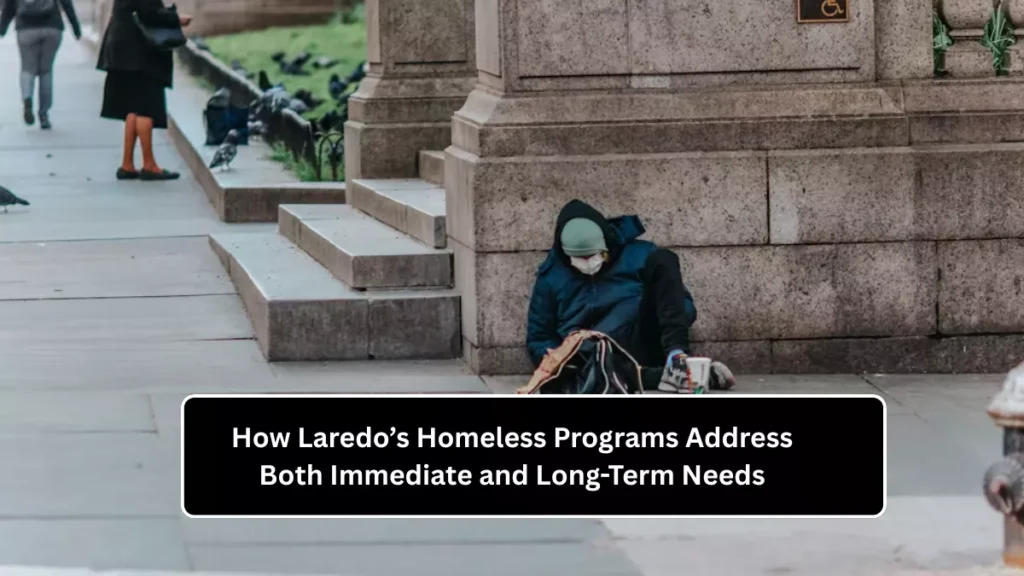
Homelessness remains one of the most pressing social challenges in cities across the United States, and Laredo, Texas, is no exception. The growing number of individuals living without stable housing affects the entire community—impacting public health, safety, economic stability, and social cohesion. Yet, Laredo is taking a bold step forward with a comprehensive vision for 2030: to end homelessness through a combination of innovation, compassionate care, and strategic collaboration. This vision is not just a policy statement; it is a roadmap for transforming lives, fostering inclusivity, and strengthening the fabric of the city.
Understanding the complexity of homelessness is key to appreciating why this initiative matters. Homelessness is rarely the result of a single factor. Economic hardship, mental health challenges, substance use, domestic violence, and systemic inequities all contribute to a person’s risk of losing stable housing. By addressing these root causes, Laredo aims to not only provide immediate shelter but also ensure long-term stability and opportunity for those affected. For residents, policymakers, and stakeholders, the city’s 2030 plan offers a blueprint for sustainable change, grounded in data, best practices, and a commitment to human dignity.
 How Community Volunteers Are Transforming Homeless Services in Laredo
A Data-Driven Approach to Ending Homelessness
Laredo’s strategy for 2030 begins with understanding the scale and dynamics of homelessness. Accurate, up-to-date data is essential for crafting effective interventions. Local surveys and assessments have revealed that a significant portion of Laredo’s homeless population consists of individuals experiencing chronic homelessness, while others face temporary housing crises due to unemployment, medical emergencies, or family disruptions. By mapping these patterns, city leaders can allocate resources more efficiently and design programs tailored to specific needs.
The city is leveraging technology to track trends and measure outcomes. Real-time data collection enables social services and non-profits to identify individuals in need quickly and coordinate care. Digital case management systems allow multiple agencies to work in concert, reducing duplication of services and improving the quality of support. This data-driven approach ensures that resources are targeted, interventions are personalized, and progress can be continuously evaluated.
Innovative Housing Solutions
One of the central pillars of Laredo’s 2030 vision is innovation in housing. Traditional emergency shelters and temporary accommodations, while necessary, are not sufficient to end homelessness. Laredo is exploring a range of housing models that combine affordability, accessibility, and stability. For example, modular housing and micro-apartments provide safe, dignified living spaces at a fraction of the cost of conventional construction. These solutions are designed to be scalable and adaptable, allowing the city to respond to fluctuations in demand without straining budgets.
Permanent supportive housing is another key component. This model integrates housing with wraparound services, such as healthcare, counseling, job training, and substance use support. Research consistently shows that individuals in permanent supportive housing are more likely to achieve stability and independence compared to those who cycle between shelters and the streets. By investing in long-term housing, Laredo not only addresses immediate needs but also prevents future crises, creating a more resilient community.
 How Laredo’s Homeless Coalition Is Building Pathways to Independence
Bridging Social Services and Healthcare
Homelessness is deeply intertwined with health disparities. Individuals without stable housing are more susceptible to chronic illnesses, mental health conditions, and limited access to preventative care. Recognizing this, Laredo’s plan emphasizes the integration of social services and healthcare. Mobile clinics, community health outreach programs, and partnerships with local hospitals provide essential medical attention to those who might otherwise go untreated. Mental health and substance use programs are embedded within these services to address underlying issues that contribute to housing instability.
The city is also prioritizing trauma-informed care, ensuring that service providers understand the psychological impact of homelessness and can respond with empathy and patience. By addressing both the social and medical dimensions of homelessness, Laredo aims to improve overall well-being and equip individuals with the support they need to thrive.
Workforce Development and Economic Empowerment
Ending homelessness requires more than housing and healthcare; it necessitates economic opportunity. Laredo is investing in workforce development programs designed specifically for individuals experiencing or at risk of homelessness. Job training, vocational education, and employment placement initiatives empower participants to secure stable income and regain independence. Partnerships with local businesses, trade schools, and nonprofit organizations create pathways to sustainable careers, while mentorship and financial literacy programs help individuals manage their resources effectively.
Economic empowerment also reduces the risk of recidivism into homelessness. When people have reliable employment, access to affordable housing, and supportive networks, they are more likely to maintain stability and contribute positively to their communities. Laredo’s approach demonstrates that addressing homelessness is not just about charity—it is about building capacity, opportunity, and self-sufficiency.
 The Role of Mental Health Support in Laredo’s Homeless Recovery Efforts
Community Engagement and Public Awareness
Public awareness and community engagement are critical to the success of Laredo’s 2030 vision. Ending homelessness is a collective effort that requires support from residents, civic organizations, and local businesses. Education campaigns help reduce stigma, promote understanding, and encourage volunteerism. Residents can participate by supporting shelters, mentoring programs, or donation drives, creating a sense of shared responsibility and fostering a culture of care.
Local government is also committed to transparency and accountability. Regular progress reports, town hall meetings, and public consultations ensure that the community is informed, engaged, and able to provide input on policies and programs. By involving citizens in the solution, Laredo strengthens social cohesion and ensures that interventions reflect the real needs and aspirations of the community.
Leveraging Technology for Coordination and Efficiency
Technology plays an increasingly important role in modern social policy, and Laredo is harnessing it to optimize homelessness interventions. Integrated case management platforms allow agencies to coordinate care, track individual progress, and quickly identify gaps in services. Mobile applications connect residents to real-time information about available shelters, food resources, and healthcare services. Predictive analytics help city planners anticipate trends, allocate resources efficiently, and identify populations at greatest risk.
Innovative technology also facilitates collaboration with nonprofit organizations and faith-based groups, creating a cohesive ecosystem of support. By streamlining communication and data sharing, Laredo reduces redundancy, enhances service quality, and ensures that no one falls through the cracks.
Policy and Funding Frameworks
Achieving the ambitious goal of ending homelessness by 2030 requires robust policy frameworks and sustainable funding. Laredo is advocating for policies that incentivize affordable housing development, increase access to healthcare and social services, and promote public-private partnerships. Tax incentives, grants, and low-interest financing programs encourage developers and nonprofits to invest in innovative housing solutions.
At the same time, the city is leveraging state and federal funding streams while exploring new revenue mechanisms. By diversifying financial support, Laredo can ensure continuity of programs even during economic fluctuations, providing long-term stability for vulnerable populations.
Measuring Impact and Ensuring Accountability
A key component of Laredo’s strategy is rigorous evaluation. Success is not measured solely by the number of shelters built or beds provided but by long-term outcomes such as sustained housing, improved health, and economic self-sufficiency. Key performance indicators, regular audits, and community feedback loops enable continuous improvement. Lessons learned from successful initiatives are scaled and replicated, while underperforming programs are refined or replaced.
This commitment to accountability builds trust between city officials, service providers, and the community. It ensures that resources are used efficiently and that the city remains focused on its ultimate goal: ending homelessness by 2030.
Conclusion
Laredo’s Vision for 2030 represents a transformative approach to addressing homelessness. By combining innovative housing solutions, integrated social and healthcare services, workforce development, technology-driven coordination, and strong community engagement, the city is paving a path toward lasting change. This plan acknowledges the complexity of homelessness and approaches it with compassion, data-driven strategies, and a commitment to measurable outcomes.
For residents, policymakers, and stakeholders, Laredo’s initiative demonstrates that ending homelessness is possible when vision, care, and innovation intersect. The roadmap laid out for 2030 provides not only hope for those experiencing homelessness but also a blueprint for building a more equitable, resilient, and thriving community.
FAQs
What is Laredo’s goal for 2030 regarding homelessness?
Laredo aims to end homelessness by combining housing, healthcare, economic support, and community engagement.
How does Laredo plan to provide innovative housing?
The city explores modular housing, micro-apartments, and permanent supportive housing for stability and affordability.
What role does technology play in Laredo’s strategy?
Technology improves coordination, tracks data, connects residents to services, and predicts trends for effective planning.
How are social services integrated into the plan?
Laredo combines healthcare, mental health, and substance use programs with housing and economic support for holistic care.
How can the community help end homelessness in Laredo?
Residents can volunteer, donate, mentor, and participate in awareness campaigns to support city programs and initiatives.