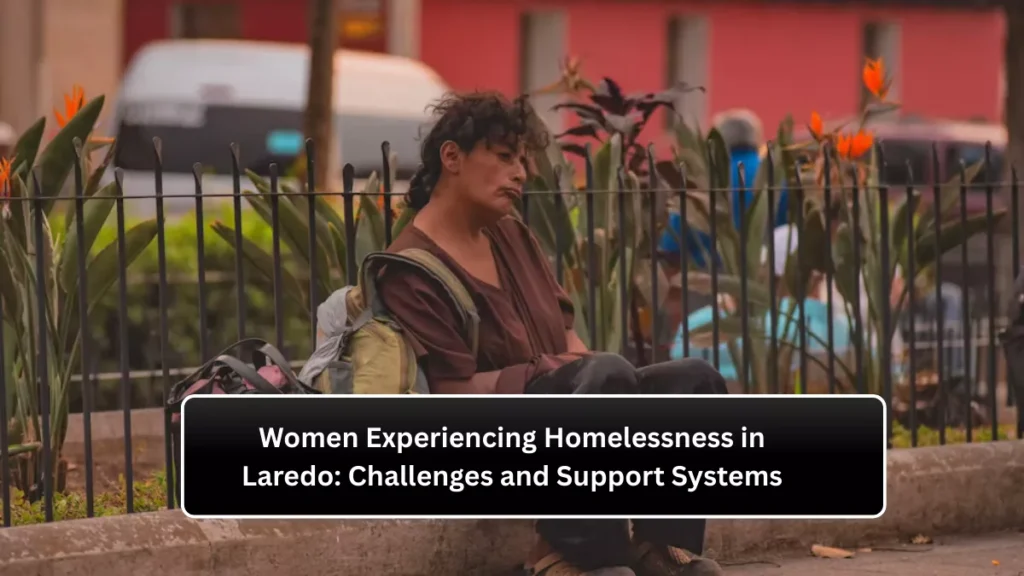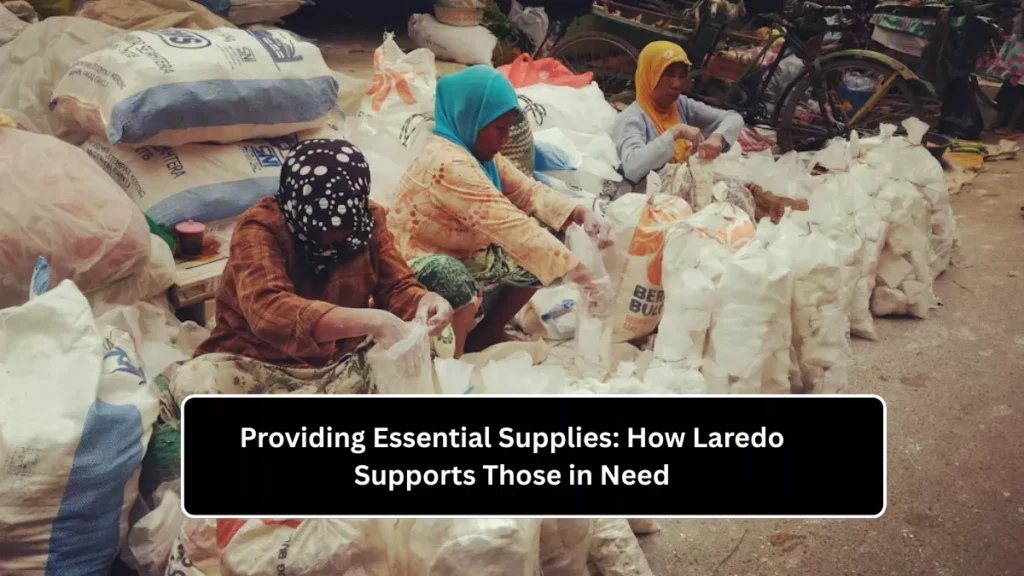
On the streets of Laredo, countless individuals face daily struggles that many of us cannot imagine. Homelessness is not just a lack of shelter—it is a complex web of challenges, including limited access to healthcare, food insecurity, unemployment, and social isolation. For these individuals, surviving day to day is a monumental task. Yet, despite the severity of the issue, there are organizations and programs striving to bridge the gap, connecting the homeless population to essential services that can provide stability, dignity, and hope.
Understanding this issue is critical because it goes beyond statistics; it touches the core of community wellbeing. In this article, readers will gain insight into the challenges Laredo’s homeless face, the services available, and practical ways the community can support these initiatives effectively.
 How Laredo Tracks Progress in the Fight Against Homelessness
Understanding the Homelessness Landscape in Laredo
Homelessness in Laredo mirrors national trends, but it is also shaped by local factors. Many individuals experience homelessness due to a combination of economic pressures, family breakdown, mental health issues, or substance abuse challenges. Laredo’s location on the U.S.-Mexico border adds unique dynamics, including the migration of individuals seeking employment or refuge, sometimes resulting in temporary or long-term homelessness. According to recent assessments, the city has seen a gradual increase in the number of people living without stable housing, highlighting an urgent need for targeted interventions.
Homelessness is not always visible. While some individuals sleep on the streets, others find shelter in cars, abandoned buildings, or with friends and family, often living in precarious and unsafe conditions. This hidden homelessness makes outreach efforts more challenging, requiring programs to adopt innovative strategies to identify and assist those in need.
Barriers to Accessing Essential Services
For many homeless individuals, accessing essential services is not as simple as walking into a shelter or clinic. Barriers can include lack of identification, transportation difficulties, language obstacles, and mistrust of formal institutions. Mental health challenges and substance dependency can also prevent individuals from seeking help, while systemic issues like long waitlists for housing programs further complicate access.
These barriers illustrate why a proactive and compassionate approach is necessary. Simply providing a service is insufficient if the individuals most in need cannot reach it or feel unwelcome. Community organizations and municipal programs must work together to lower these barriers and build trust with the population they serve.
 From Streets to Stability: Laredo’s Holistic Approach to Homelessness
Key Organizations Bridging the Gap
In Laredo, several organizations play a vital role in connecting homeless individuals to essential services. Local shelters provide temporary housing, nutritious meals, and hygiene facilities, offering a safe environment for recovery and stabilization. Beyond immediate needs, case management services help individuals navigate housing programs, apply for benefits, and connect with healthcare providers.
Healthcare access is another critical component. Many homeless individuals suffer from chronic illnesses or untreated mental health conditions, and medical outreach programs work to deliver care directly to the streets. Mobile clinics and partnerships with local hospitals ensure that preventative care, vaccinations, and treatment for acute conditions reach those who might otherwise remain underserved.
Employment and vocational training programs are also essential. By equipping individuals with skills, certifications, and job placement assistance, these initiatives empower homeless individuals to regain independence and stability. Additionally, legal aid services assist with resolving documentation issues, clearing minor criminal records, and advocating for tenants’ rights, further removing obstacles to long-term stability.
The Role of Community Engagement
Community involvement is crucial in addressing homelessness effectively. Residents, businesses, and civic groups can contribute by volunteering, donating resources, or supporting policy initiatives aimed at increasing affordable housing and social services. Education is another important component, as public understanding reduces stigma and promotes empathy toward individuals experiencing homelessness.
 How Community Volunteers Are Transforming Homeless Services in Laredo
Building partnerships between government agencies, non-profit organizations, and the private sector strengthens the network of support. Coordinated efforts ensure that resources are not duplicated and that services reach the people who need them most. For example, local businesses can offer temporary employment opportunities or sponsorships, while faith-based organizations often provide meals, clothing, and counseling services.
Innovative Approaches to Support
Some programs in Laredo have adopted innovative strategies to improve service delivery. Outreach teams equipped with technology, such as mobile apps, allow case workers to track clients’ needs and connect them with appropriate resources efficiently. Peer mentorship programs, where formerly homeless individuals guide and support others, have proven effective in building trust and promoting long-term success.
Preventative measures are equally important. Housing-first initiatives, which prioritize providing stable housing before addressing other challenges, have been shown to reduce chronic homelessness and improve overall health outcomes. Similarly, integrated care models that combine mental health support, addiction counseling, and vocational training create a holistic approach that addresses multiple barriers simultaneously.
Challenges and Opportunities
Despite these efforts, challenges remain. Funding constraints, limited shelter capacity, and the growing demand for services can strain programs. Seasonal weather, public health emergencies, and economic downturns exacerbate vulnerabilities. However, these challenges also present opportunities for innovation and collaboration.
Expanding affordable housing options, creating low-barrier employment programs, and investing in mental health and addiction services are actionable strategies that can yield meaningful results. Municipal leadership and community stakeholders must prioritize these interventions, recognizing that addressing homelessness benefits not only individuals but the broader community by enhancing public health, safety, and economic stability.
Actionable Steps for Individuals
Individuals who wish to contribute meaningfully can take several steps. Volunteering time at local shelters or outreach programs provides hands-on support. Donating clothing, hygiene supplies, or food directly addresses immediate needs. Educating oneself and others about the complexities of homelessness fosters empathy and reduces stigma. Advocating for policy changes that increase funding for affordable housing and social services amplifies impact at a systemic level.
Even small actions, when multiplied across the community, create a ripple effect that strengthens the safety net. By maintaining consistent engagement, residents can play a pivotal role in bridging the gap between homeless individuals and the services they need.
Building a Sustainable Future
Addressing homelessness in Laredo requires long-term commitment. Sustainability involves not just responding to immediate needs but also implementing structural changes that prevent homelessness in the first place. Investments in education, job training, mental health services, and affordable housing contribute to systemic resilience.
Partnerships between government, non-profits, and community members are essential to ensure that programs remain effective and adaptive. Data-driven approaches can track outcomes, identify gaps, and inform future initiatives. Ultimately, building a sustainable framework requires compassion, strategic planning, and unwavering dedication to social equity.
Conclusion
Bridging the gap between Laredo’s homeless population and essential services is a complex but achievable goal. By understanding the challenges, supporting key organizations, and fostering community engagement, meaningful change can occur. Each individual, business, and institution has a role to play in creating a network of care that restores dignity and stability to those experiencing homelessness. The path forward is clear: coordinated action, empathy-driven interventions, and sustainable solutions can transform lives and strengthen the community as a whole.
Homelessness is not an unsolvable problem. By prioritizing access to services, embracing innovation, and fostering collaboration, Laredo can ensure that its most vulnerable residents receive the support they need to thrive. The responsibility rests on all of us to bridge the gap and create a future where no one is left behind.
FAQs
What services are available for the homeless in Laredo?
Shelters, healthcare outreach, employment programs, legal aid, and food assistance support homeless individuals.
How can I volunteer to help Laredo’s homeless?
You can volunteer at local shelters, outreach programs, food banks, or mentoring initiatives.
Are there programs for homeless individuals with mental health issues?
Yes, mobile clinics and integrated care programs provide mental health counseling and addiction support.
What can I donate to support homeless services in Laredo?
Clothing, hygiene products, non-perishable food, blankets, and shoes are most needed.
How does affordable housing help reduce homelessness?
Providing stable housing first improves health, employment opportunities, and long-term stability.