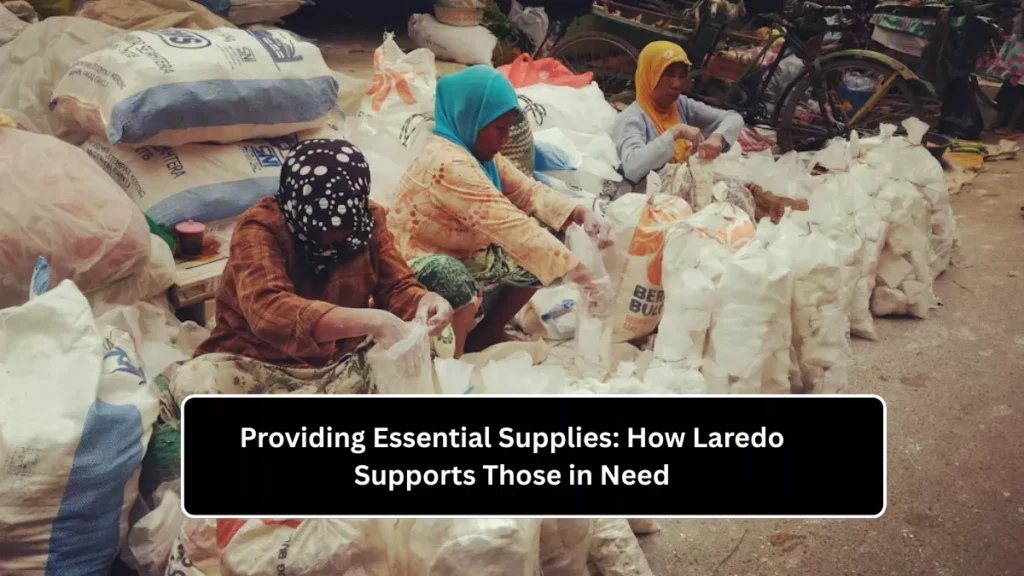
Homelessness is a pressing issue in cities across the United States, and Laredo, Texas, is no exception. With thousands of people living without stable housing, the challenges they face are magnified by the extremes of the local climate. Winter brings dangerously low temperatures, while summer can expose individuals to scorching heat, dehydration, and sunstroke. Seasonal outreach programs have emerged as vital lifelines, ensuring the safety, health, and well-being of Laredo’s homeless population throughout the year. Understanding these programs provides insight into how communities can mobilize compassion, resources, and expertise to protect society’s most vulnerable.
These programs are more than temporary assistance; they are strategic, data-driven efforts designed to reduce risk, connect individuals with essential services, and foster a sense of community. In Laredo, they play a critical role in addressing not only the immediate dangers of weather but also the broader challenges associated with homelessness, including health risks, mental health struggles, and social isolation. By exploring how these programs operate, their impact, and ways the community can contribute, readers will gain a comprehensive understanding of an often overlooked but essential social initiative.
 How Art and Culture Are Helping Raise Awareness About Homelessness in Laredo
Understanding Seasonal Outreach Programs
Seasonal outreach programs are targeted interventions designed to respond to specific environmental and societal challenges associated with homelessness. In Laredo, these programs adapt to the city’s seasonal changes, providing tailored support during extreme heat in summer and cold snaps in winter. The approach relies on collaboration between government agencies, non-profit organizations, faith-based groups, and community volunteers. Each season brings unique risks, and outreach efforts are adjusted to meet these evolving needs.
During the winter months, temperatures in Laredo can drop to levels that pose hypothermia risks for individuals without shelter. Outreach teams distribute warm clothing, blankets, and temporary housing options. They also ensure access to hot meals and medical attention for chronic conditions worsened by cold exposure. Conversely, summer programs focus on hydration, sun protection, and cooling measures to prevent heatstroke and dehydration. Staff members educate homeless individuals about signs of heat-related illness and distribute water, sunscreen, and access to shaded areas or temporary cooling centers.
The Role of Mobile Outreach Units
Mobile outreach units are a cornerstone of seasonal programs in Laredo. These units are vehicles equipped to deliver essential services directly to the streets, parks, and encampments where homeless individuals reside. Staffed with trained social workers, healthcare professionals, and volunteers, mobile units provide immediate aid while building trust with the community. They deliver food, clothing, hygiene supplies, and information about shelters and local assistance programs.
The mobile model allows for flexibility and responsiveness. For instance, if a sudden cold front hits the city, units can be deployed to areas with high concentrations of unsheltered individuals. Similarly, during heatwaves, teams can coordinate with local businesses and civic centers to establish temporary hydration and cooling stations. Beyond immediate needs, these units also conduct basic health screenings and connect individuals with mental health support, substance abuse counseling, and long-term housing resources.
 The Role of Case Managers in Transforming Lives in Laredo
Collaboration Between Agencies and Organizations
Effective seasonal outreach programs rely on seamless collaboration between multiple stakeholders. In Laredo, local government agencies coordinate with non-profits, religious organizations, and healthcare providers to maximize resources and avoid duplication of services. Coordination meetings, data sharing, and joint planning ensure that outreach efforts are efficient and comprehensive.
Non-profit organizations often take the lead in service delivery, leveraging volunteers and donations to reach as many individuals as possible. Religious groups frequently provide space, food, and volunteer manpower, while government agencies offer funding, logistical support, and access to shelters and public facilities. The integration of these efforts allows programs to maintain continuity and consistency, ensuring that homeless individuals receive reliable support year-round.
Addressing Health and Safety Concerns
Health risks are a significant concern for Laredo’s homeless population. Seasonal outreach programs tackle these risks through proactive measures. During winter, hypothermia and respiratory infections are common threats. Outreach teams distribute weather-appropriate clothing, offer warm meals, and provide access to emergency shelters. Mobile units also carry basic medical supplies and coordinate with clinics to address chronic illnesses.
In summer, heat-related illnesses dominate the risk landscape. Outreach teams focus on hydration, sun protection, and education on avoiding heatstroke. They also monitor for signs of dehydration, exhaustion, and skin issues caused by prolonged sun exposure. Seasonal programs are particularly vital for individuals with pre-existing conditions, older adults, and families with children, who are disproportionately affected by temperature extremes.
 Bridging the Gap: Connecting Laredo’s Homeless to Essential Services
Building Trust and Community Engagement
One of the most critical aspects of seasonal outreach is trust-building. Many individuals experiencing homelessness are hesitant to engage with authorities or formal programs due to past trauma, fear of discrimination, or mental health challenges. Outreach workers prioritize relationship-building, showing respect, empathy, and consistency. Regular interactions, consistent presence, and follow-ups help establish trust, making it more likely that individuals will accept services and support.
Community engagement plays a crucial role in sustaining these programs. Local residents, businesses, and volunteers contribute resources, time, and advocacy to strengthen outreach efforts. Public awareness campaigns highlight the importance of supporting homeless individuals, encouraging donations, volunteerism, and advocacy for policy improvements. This engagement not only provides immediate support but also fosters long-term social cohesion and empathy within the community.
Success Stories and Measurable Impact
Seasonal outreach programs in Laredo have demonstrated tangible success in improving safety, health, and stability for homeless individuals. For example, during a particularly harsh winter, outreach teams reported a significant decrease in cold-related injuries and hospitalizations among participants. Summer initiatives have prevented cases of severe dehydration and heatstroke, particularly among the elderly and families with children.
Additionally, programs have successfully connected individuals with long-term housing solutions and social services. Many participants transition from temporary assistance to stable housing, employment opportunities, and mental health support. These outcomes demonstrate that seasonal outreach is not only a reactive measure but also a proactive strategy for improving overall quality of life and reducing chronic homelessness.
Challenges and Areas for Improvement
Despite their successes, seasonal outreach programs face ongoing challenges. Funding constraints limit the reach and scope of services, while staffing shortages can impede timely responses during emergencies. Extreme weather events, such as unexpected cold snaps or prolonged heatwaves, test the adaptability of outreach teams. Additionally, systemic barriers such as limited affordable housing, healthcare access, and mental health resources continue to affect outcomes.
Addressing these challenges requires sustained advocacy, community support, and innovative approaches. Strategies include expanding partnerships with local businesses, increasing volunteer recruitment, and leveraging technology for data collection and resource coordination. Investing in preventative measures, such as pre-season preparedness campaigns and early intervention for at-risk individuals, can further enhance program effectiveness.
How Residents Can Support Seasonal Outreach
Community members can play a pivotal role in supporting seasonal outreach programs. Donations of clothing, blankets, bottled water, and non-perishable food items are consistently needed. Volunteering with local organizations allows individuals to contribute directly to service delivery and outreach efforts. Advocacy for increased funding, affordable housing, and healthcare access can influence policy decisions that strengthen long-term solutions.
Education and awareness are also critical. Understanding the challenges faced by homeless individuals fosters empathy and reduces stigma, making it easier for outreach teams to engage the community. Residents can participate in public awareness campaigns, organize local drives, and support businesses that partner with outreach initiatives. Every contribution, whether financial, physical, or social, amplifies the impact of seasonal programs in Laredo.
The Future of Seasonal Outreach in Laredo
Looking ahead, seasonal outreach programs in Laredo are evolving to become more data-driven, holistic, and sustainable. Innovations include integrating mobile health technology, predictive analytics for weather and risk mapping, and targeted case management for high-risk populations. Expanding partnerships with healthcare providers, educational institutions, and social services will enhance continuity of care and access to resources.
Long-term success depends on combining immediate safety measures with systemic solutions. By addressing root causes such as affordable housing shortages, mental health support, and employment opportunities, seasonal outreach programs can shift from reactive interventions to sustainable strategies that reduce homelessness and improve overall community resilience.
Conclusion
Seasonal outreach programs in Laredo are essential for safeguarding the well-being of the homeless population year-round. By adapting to environmental challenges, providing health and safety resources, and building trust within the community, these programs make a measurable difference in the lives of vulnerable individuals. Collaboration, innovation, and community engagement ensure that support is timely, effective, and sustainable. Residents and organizations alike play a vital role in maintaining these programs, contributing to a safer, healthier, and more compassionate city.
By understanding and supporting seasonal outreach initiatives, Laredo can continue to provide a model of care that balances immediate needs with long-term solutions, demonstrating that a community’s strength is measured by how it protects its most vulnerable members.
FAQs
How do seasonal outreach programs help homeless individuals in Laredo?
They provide essential resources like shelter, food, clothing, and healthcare tailored to seasonal risks.
When are outreach programs most critical in Laredo?
Winter and summer, when extreme cold or heat poses health risks to unsheltered individuals.
Can residents volunteer for seasonal outreach programs?
Yes, volunteering with local organizations helps deliver aid, build trust, and support the community.
What health services do outreach programs provide?
Programs offer screenings, medical care for chronic illnesses, mental health support, and substance abuse counseling.