The streets of Laredo, Texas, reveal a harsh reality that is often overlooked: women experiencing homelessness. Unlike general homelessness statistics, women face unique vulnerabilities that stem from gender-specific social, economic, and safety challenges. Their stories are not just about lacking a home; they are about navigating a society that often ignores their struggles.
Understanding these experiences is critical not only for social awareness but also for shaping effective policies and support systems. This article dives deep into the challenges women face in Laredo, the support networks available, and actionable ways communities can help. By reading this, you will gain insights into the multifaceted nature of female homelessness, the systemic barriers at play, and practical approaches for intervention.
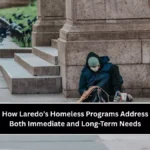 How Laredo’s Homeless Programs Address Both Immediate and Long-Term Needs
The Scope of Women’s Homelessness in Laredo
Homelessness among women is a growing concern in Laredo, a border city with unique socio-economic dynamics. Unlike men, women experiencing homelessness often remain invisible because they are more likely to seek temporary solutions such as couch surfing, staying with friends, or living in unsafe conditions rather than public shelters. Estimates suggest that a significant proportion of Laredo’s homeless population comprises women who are single mothers, survivors of domestic violence, or women struggling with mental health and substance abuse issues. The lack of permanent housing combined with low-wage employment and limited access to social services exacerbates their vulnerability, making it a cycle difficult to escape.
The reasons behind female homelessness are often interconnected. Economic inequality, limited educational opportunities, and the high cost of childcare make it difficult for many women to maintain stable housing. Additionally, women fleeing abusive relationships may leave without savings or support networks, forcing them into precarious living conditions. Laredo, despite its strong community ties, reflects these national trends, with female homelessness remaining an urgent social issue that demands comprehensive solutions.
Unique Challenges Faced by Women
Women experiencing homelessness in Laredo face challenges that go beyond the lack of shelter. Safety is a primary concern. Women are more susceptible to sexual assault, exploitation, and physical violence while living on the streets or in temporary shelters. The fear of harassment often forces them to avoid public spaces or remain in unsafe situations, which can worsen both their mental and physical health.
Another challenge is access to healthcare. Women experiencing homelessness often struggle with reproductive health needs, chronic illnesses, and mental health issues. Regular medical care is frequently inaccessible due to costs, lack of insurance, or transportation barriers. This neglect of essential health needs can result in severe complications, including untreated chronic diseases, pregnancy complications, and higher mortality rates.
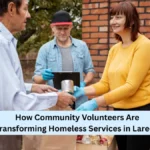 How Community Volunteers Are Transforming Homeless Services in Laredo
Mental health challenges are also prevalent. Many women experiencing homelessness have a history of trauma, abuse, or mental health conditions that require ongoing care. The stress of living without stable housing intensifies symptoms of anxiety, depression, and post-traumatic stress disorder. Without consistent therapy or medication, the cycle of homelessness can be prolonged, making recovery even more challenging.
The Role of Domestic Violence in Female Homelessness
Domestic violence is one of the leading causes of homelessness among women. In Laredo, as in many cities, women fleeing abusive partners often leave with nothing more than the clothes on their back. The decision to escape violence is life-saving, but it often comes at the cost of financial security and stable housing. Shelters exist to provide temporary refuge, but they are often limited in space and may require women to leave during the day, leaving them exposed.
The stigma around seeking help, fear of retaliation from abusers, and legal complexities further complicate access to support. Women who leave abusive relationships may also face challenges regaining custody of children or securing employment, adding layers of stress and uncertainty. Addressing domestic violence as a root cause of female homelessness is crucial for developing preventive and long-term solutions.
Support Systems in Laredo
Despite the challenges, several organizations and programs in Laredo are dedicated to supporting women experiencing homelessness. Local shelters provide emergency housing, meals, and basic hygiene facilities. Many also offer case management services to help women access healthcare, education, and employment opportunities. Some shelters are specifically designed for women and children, providing a safer and more supportive environment.
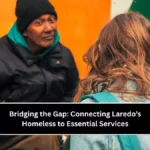 Bridging the Gap: Connecting Laredo’s Homeless to Essential Services
Community-based organizations play a vital role in bridging gaps left by formal systems. Volunteers and local nonprofits often offer clothing, food, counseling, and legal assistance. Programs focusing on job training and life skills help women regain independence and self-sufficiency. Moreover, faith-based initiatives in Laredo provide both material and emotional support, reinforcing community networks that are essential for resilience.
Government programs, though sometimes limited in reach, also provide assistance. Housing vouchers, healthcare access programs, and temporary financial support aim to help women transition from homelessness to stability. However, navigating these systems can be complex, requiring guidance and advocacy to ensure women receive the full range of benefits they are entitled to.
Barriers to Effective Support
While support systems exist, women in Laredo still face barriers that impede their access. Limited shelter capacity often means women must wait for extended periods before being accommodated. Many shelters have strict rules regarding substance use, pets, or accompanying children, which can unintentionally exclude those in need. Transportation challenges also restrict access to services, particularly for women who live on the outskirts of the city or in rural areas.
Cultural and language barriers can further hinder access to support. Laredo’s diverse population includes women whose first language may not be English or who come from immigrant backgrounds. Navigating bureaucratic systems without adequate translation services or culturally sensitive programs can be overwhelming, leaving women underserved.
Stigma and social isolation also prevent women from seeking help. Many feel ashamed of their situation or fear judgment, discouraging them from reaching out for support. Overcoming these barriers requires not only systemic improvements but also community awareness and empathy.
Pathways to Empowerment
Empowering women experiencing homelessness involves more than providing temporary shelter. Access to education and job training is critical. Programs that teach vocational skills, financial literacy, and computer proficiency help women secure stable employment, fostering long-term independence. Providing mentorship opportunities and peer support networks also builds confidence and reduces feelings of isolation.
Healthcare access remains essential. Mobile clinics, community health programs, and mental health services can address both immediate medical needs and long-term wellness. Reproductive healthcare, counseling, and trauma-informed care ensure women can recover from past experiences and maintain their physical and mental health.
Legal advocacy and support for women navigating domestic violence or custody issues are equally important. Ensuring women understand their rights and have assistance in legal proceedings reduces the risk of further exploitation or financial instability. When women feel safe, healthy, and empowered, they are better positioned to break the cycle of homelessness and reclaim control over their lives.
Community Engagement and Action
Communities in Laredo can play a transformative role in addressing female homelessness. Local residents can volunteer at shelters, donate essential supplies, or support initiatives that focus on education and job training. Businesses can create employment opportunities tailored to the unique needs of women transitioning out of homelessness. Advocacy for policy improvements, including affordable housing, expanded healthcare access, and domestic violence prevention, is equally critical.
Awareness campaigns are essential to reduce stigma and highlight the challenges faced by women experiencing homelessness. By educating the broader public about the systemic barriers and risks these women face, communities can foster empathy, understanding, and collective action. Small steps, when multiplied across a community, can create a safety net robust enough to support women during their most vulnerable moments.
Conclusion
Women experiencing homelessness in Laredo confront a complex web of challenges, including safety concerns, healthcare access, domestic violence, and social stigma. While support systems exist, systemic barriers and social isolation often hinder their effectiveness. Empowering women requires a comprehensive approach that addresses immediate needs, promotes long-term independence, and fosters community engagement. By understanding these issues and contributing to solutions, Laredo can move toward a future where every woman has access to safety, stability, and opportunity. Awareness, advocacy, and action are key steps in breaking the cycle of female homelessness.
FAQs
What causes homelessness among women in Laredo?
Economic instability, domestic violence, mental health challenges, and lack of affordable housing are primary causes.
Are there shelters specifically for women in Laredo?
Yes, some shelters focus on women and children, providing safety, meals, and support services.
How can women access healthcare while homeless?
Community clinics, mobile health units, and nonprofit programs provide basic and mental healthcare.
What role does domestic violence play in female homelessness?
Many women leave abusive relationships without savings or housing, increasing their risk of homelessness.
How can the community help women experiencing homelessness?
Volunteering, donating essentials, supporting job training, and advocating for housing policies are effective ways.