Homelessness is one of the most pressing social issues in Laredo, Texas, affecting thousands of residents each year. For those living on the streets or in unstable housing, daily survival can be a struggle. Access to food, shelter, and basic healthcare is often uncertain, and the emotional and mental toll can be overwhelming. Recognizing these challenges, Laredo has implemented a series of homeless programs designed to provide immediate relief while simultaneously addressing long-term needs. Understanding how these programs operate can provide insight into effective community support systems and highlight strategies that other cities might adopt to combat homelessness.
The significance of these programs lies not only in providing temporary shelter but in offering pathways to stability and independence. Homelessness is rarely a standalone problem; it intersects with issues such as unemployment, mental illness, substance abuse, and lack of affordable housing. Programs that focus solely on short-term relief without addressing these root causes may provide temporary comfort but fail to create lasting solutions. By combining emergency aid with long-term support services, Laredo’s approach serves as a model for comprehensive homelessness interventions.
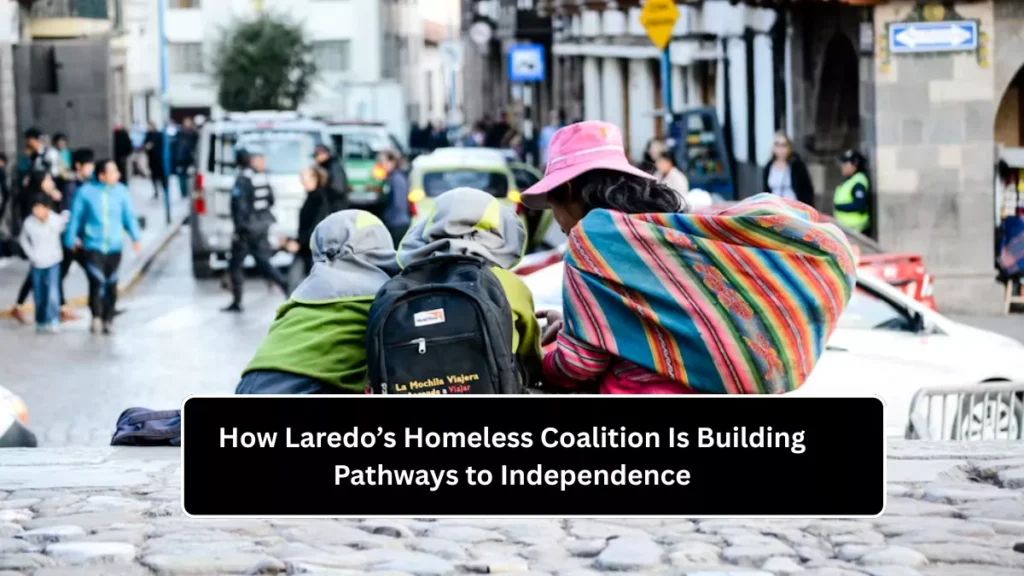
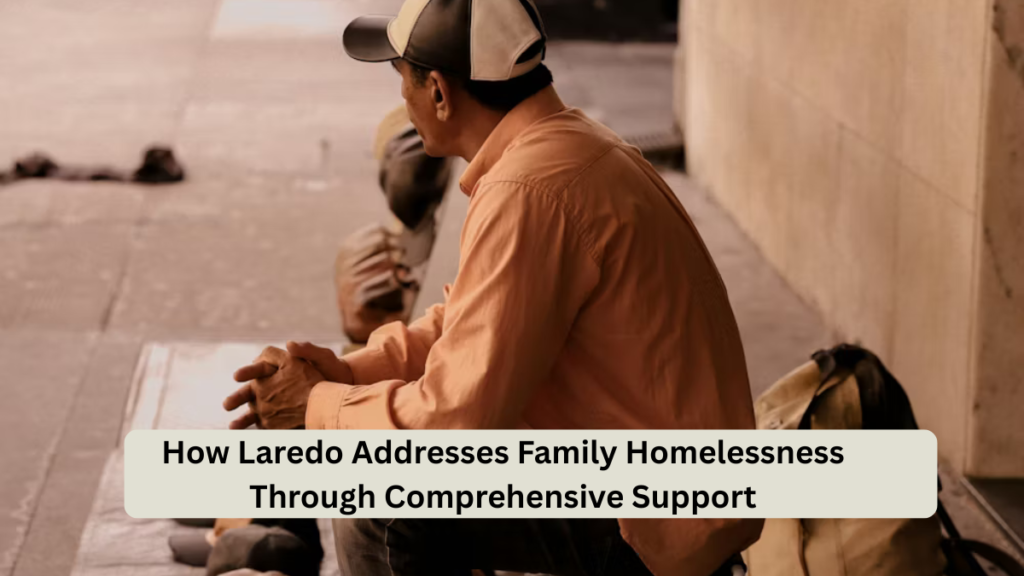
 How Laredo Addresses Family Homelessness Through Comprehensive Support
Immediate Assistance: Shelter, Food, and Safety
One of the cornerstones of Laredo’s homeless programs is the provision of immediate assistance. Emergency shelters across the city offer safe spaces for individuals and families who would otherwise be exposed to harsh weather conditions, violence, or health risks. These shelters provide beds, meals, and hygiene facilities, ensuring that basic human needs are met. For someone experiencing homelessness, access to a safe, clean place to sleep can be life-changing and represents the first step toward stability.
Food security is another critical component of immediate support. Laredo’s programs collaborate with local food banks, faith-based organizations, and community kitchens to provide nutritious meals daily. This not only addresses hunger but also contributes to improved physical and mental health, which is essential for individuals to engage in long-term recovery programs. The psychological benefits of having consistent meals and a safe place to rest cannot be overstated, as they help reduce stress and provide a sense of dignity.
Safety and security also play a central role in immediate assistance. Many homeless individuals are vulnerable to violence, theft, and exploitation. Shelters in Laredo implement safety protocols and maintain trained staff to ensure a secure environment. Access to healthcare services, including mental health support and medical screenings, is often integrated into shelter programs. By addressing these urgent needs, Laredo ensures that residents can stabilize their immediate circumstances before moving toward longer-term solutions.
Long-Term Solutions: Housing, Employment, and Support Services
While immediate assistance is critical, addressing homelessness sustainably requires long-term strategies. Laredo’s programs emphasize permanent housing solutions, recognizing that stable living arrangements are fundamental to personal recovery. Transitional housing initiatives provide a bridge between emergency shelters and permanent homes. Residents receive support in finding affordable apartments or housing units, often accompanied by case management services that help with budgeting, rental agreements, and tenant responsibilities. This approach reduces the likelihood of individuals returning to homelessness and promotes long-term stability.
 Women Experiencing Homelessness in Laredo: Challenges and Support Systems
Employment programs are another essential element of long-term support. Many homeless individuals face barriers to work, including gaps in employment history, lack of transportation, and limited access to professional training. Laredo’s workforce initiatives aim to equip residents with marketable skills, offer job placement assistance, and provide connections to local employers willing to hire individuals overcoming homelessness. Financial counseling is frequently paired with these programs to ensure that residents can manage income effectively, avoid debt, and achieve independence.
Mental health and substance abuse services are integrated into long-term support as well. Homelessness often coexists with untreated mental illness or addiction issues, which can prevent individuals from sustaining housing or employment. Laredo’s programs collaborate with local healthcare providers and non-profit organizations to deliver counseling, therapy, and treatment programs. By addressing the underlying causes of homelessness, these initiatives improve the likelihood that participants can maintain self-sufficiency and reintegrate successfully into the community.
Holistic Approaches: Community Integration and Personal Development
Laredo’s approach to homelessness goes beyond housing and employment. Programs often incorporate educational opportunities, life skills training, and community integration efforts. Participants can access workshops on financial literacy, communication, and personal development. These programs aim to equip individuals with the tools needed to navigate daily challenges and rebuild self-confidence. Holistic approaches recognize that sustainable recovery is about more than material support; it involves fostering emotional resilience, social connections, and a sense of purpose.
Community partnerships are vital to this holistic approach. Collaboration between government agencies, non-profits, faith-based organizations, and local businesses ensures that resources are coordinated and accessible. This network allows programs to address diverse needs, from legal assistance and healthcare to child care and transportation. By working collectively, Laredo’s programs create a safety net that reduces gaps in services and promotes comprehensive support for those experiencing homelessness.
 How Seasonal Outreach Programs Keep Laredo’s Homeless Safe Year-Round
Success Stories and Measurable Impact
The effectiveness of Laredo’s homeless programs can be observed through the experiences of individuals who have transitioned from the streets into stable, independent lives. Many residents who once relied on emergency shelters have successfully moved into permanent housing, secured employment, and regained self-sufficiency. Programs track outcomes through metrics such as the number of individuals placed in permanent housing, employment rates among participants, and recidivism rates of returning to homelessness. These measurable indicators demonstrate that addressing both immediate and long-term needs produces tangible results.
Success is not only about statistics; it is about the human stories behind them. Residents often report improved mental health, increased confidence, and a renewed sense of hope after engaging with Laredo’s programs. These narratives provide qualitative evidence of impact and reinforce the importance of a multi-faceted approach. They also serve as motivation for continued investment in programs that prioritize both urgent relief and sustainable solutions.
Overcoming Challenges: Funding, Accessibility, and Awareness
Despite the successes, Laredo’s homeless programs face ongoing challenges. Funding remains a critical concern, as maintaining shelters, staffing case managers, and providing comprehensive services require substantial financial resources. Public and private donations, government grants, and community fundraising are essential to sustaining these programs. Advocates continuously work to ensure that funding is sufficient and allocated effectively to meet both immediate and long-term needs.
Accessibility is another challenge. Homeless individuals may face difficulties navigating services due to transportation barriers, lack of information, or mistrust of institutions. Programs in Laredo address these issues through outreach efforts, mobile services, and case management support that guides participants through available resources. Raising awareness within the community is also vital. Public understanding and engagement can lead to greater volunteer participation, donations, and advocacy for policies that address homelessness comprehensively.
Lessons and Recommendations for Other Communities
Laredo’s experience offers valuable lessons for other cities grappling with homelessness. First, a dual focus on immediate relief and long-term solutions is essential. Emergency support provides stability, while housing, employment, and support services create sustainable pathways out of homelessness. Second, collaboration among diverse stakeholders—including government agencies, non-profits, healthcare providers, and local businesses—amplifies impact and ensures coordinated support. Finally, holistic approaches that address mental health, substance abuse, life skills, and social integration increase the likelihood of lasting success.
Communities seeking to replicate Laredo’s model should prioritize flexibility, innovation, and continuous evaluation. Programs must adapt to changing needs, incorporate feedback from participants, and measure outcomes effectively. By focusing on both human dignity and practical solutions, cities can create systems that not only alleviate immediate suffering but also empower residents to rebuild their lives.
Conclusion
Laredo’s homeless programs exemplify a comprehensive approach to addressing both immediate and long-term needs. By providing shelter, food, and safety while simultaneously offering housing, employment, healthcare, and personal development services, the city creates pathways for individuals to regain stability and independence. The combination of immediate relief and sustainable support ensures that residents are not just surviving but are equipped to thrive. Communities that adopt similar strategies can address homelessness more effectively, promote social equity, and foster stronger, more resilient cities.
Laredo’s model highlights the importance of coordinated services, community partnerships, and a holistic view of human needs. For residents experiencing homelessness, these programs offer hope and tangible solutions. For the community at large, they provide a framework for addressing one of society’s most complex challenges with empathy, efficiency, and long-term vision. By learning from Laredo’s example, other cities can build programs that not only meet urgent needs but also create lasting change.
FAQs
How do Laredo’s shelters help homeless individuals immediately?
They provide safe sleeping spaces, meals, hygiene facilities, and access to healthcare for urgent needs.
What long-term support is available for Laredo’s homeless population?
Programs offer transitional housing, employment training, mental health services, and life skills development.
How does Laredo address mental health and substance abuse?
Through counseling, therapy, and coordinated treatment programs integrated with housing and support services.
Are community partnerships important in Laredo’s approach?
Yes, collaborations with nonprofits, businesses, and government agencies enhance resource access and service coordination.
Can other cities replicate Laredo’s homelessness programs?
Yes, by combining immediate aid, long-term support, community partnerships, and holistic services for sustainable impact.