Homelessness is one of the most pressing social challenges in Laredo, Texas, touching hundreds of lives each year. Beneath the visible struggle of finding shelter and food lies a less obvious, yet equally urgent challenge: mental health. For many individuals experiencing homelessness, mental health conditions such as depression, anxiety, post-traumatic stress disorder, and substance use disorders can create barriers that prevent recovery and reintegration into society.
Understanding the critical role of mental health support in Laredo’s homeless recovery initiatives is essential not only for policymakers and service providers but also for community members who want to contribute effectively to sustainable solutions. By examining these efforts, we can better appreciate how mental health interventions are transforming lives and creating pathways to long-term stability.
 How Laredo’s Homeless Programs Address Both Immediate and Long-Term Needs
Understanding Homelessness and Mental Health in Laredo
Homelessness is rarely a single-faceted issue. It often results from a combination of economic instability, lack of affordable housing, unemployment, and personal crises. However, mental health challenges frequently exacerbate these conditions, creating a cycle that is difficult to break. Individuals living on the streets or in temporary shelters often experience extreme stress, social isolation, and exposure to trauma, all of which worsen existing mental health conditions.
Studies indicate that people experiencing homelessness are significantly more likely to have serious mental illnesses compared to the general population, making mental health support an essential component of any recovery effort. In Laredo, where economic pressures and limited healthcare resources intersect, addressing mental health can be the difference between temporary relief and long-term recovery.
Mental Health Barriers in the Homeless Population
Several barriers make mental health care particularly challenging for the homeless population. One of the primary obstacles is access. Many individuals do not have health insurance or reliable transportation to reach clinics and mental health professionals. Additionally, there is often a stigma associated with seeking mental health support, which can prevent individuals from asking for help. Trust is another critical factor.
Many homeless individuals have faced systemic neglect or negative experiences with institutions, making them hesitant to engage with services. Without tailored outreach and empathetic, trauma-informed care, these barriers can perpetuate cycles of homelessness and mental health crises.
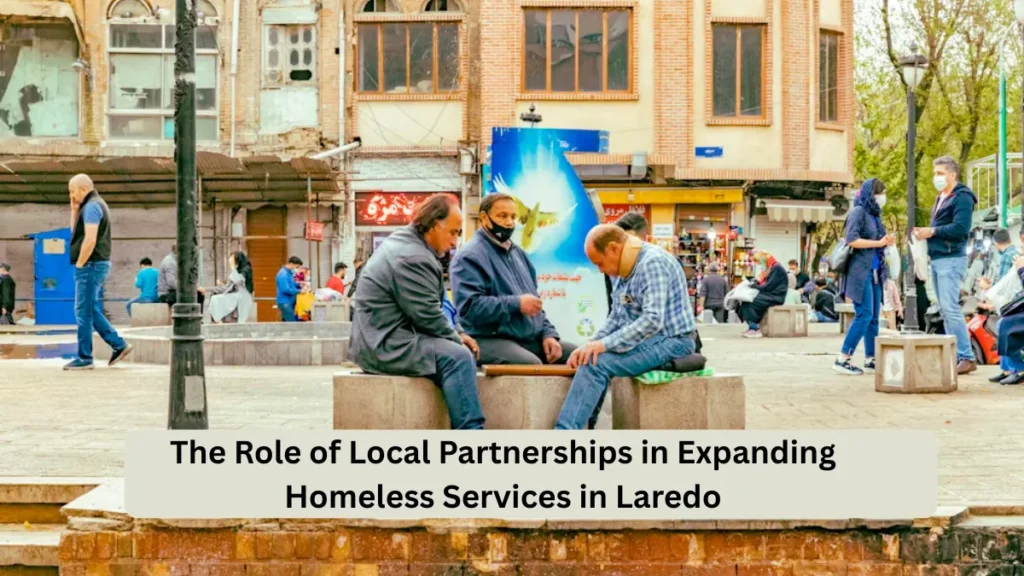
 The Role of Local Partnerships in Expanding Homeless Services in Laredo
Laredo’s Integrated Recovery Programs
In response to these challenges, Laredo has developed integrated recovery programs that combine housing assistance, mental health support, and social services. Organizations within the city recognize that simply providing shelter is insufficient; mental health treatment must be paired with other forms of support to ensure sustainable recovery. Programs often offer counseling, psychiatric evaluation, and substance use treatment, alongside access to food, employment assistance, and educational resources.
By creating a comprehensive approach, these initiatives help individuals regain stability while addressing the root causes of homelessness. For example, peer support groups allow individuals to share experiences in a safe environment, fostering a sense of community that is often missing in traditional shelters.
The Importance of Trauma-Informed Care
Trauma-informed care has become a cornerstone of effective mental health support in Laredo. Many homeless individuals have experienced physical or emotional trauma, which can manifest as distrust, aggression, or withdrawal. Trauma-informed approaches focus on understanding and addressing these experiences rather than simply treating symptoms. This type of care emphasizes safety, choice, collaboration, and empowerment, helping clients feel respected and understood.
By adopting trauma-informed methods, mental health professionals in Laredo can build stronger relationships with their clients, improving engagement and treatment outcomes. Moreover, trauma-informed care reduces the risk of retraumatization, which is crucial for fostering long-term recovery.
 Women Experiencing Homelessness in Laredo: Challenges and Support Systems
Collaborations Between Mental Health Providers and Community Organizations
Collaboration is essential for addressing the complex needs of homeless individuals. In Laredo, partnerships between mental health providers, nonprofits, and government agencies have proven effective in extending the reach of recovery programs. Mobile mental health units, for instance, bring services directly to individuals living on the streets, overcoming transportation and access barriers.
Community organizations often provide case management, helping clients navigate benefits, housing, and employment while receiving mental health support. These partnerships also enable information sharing and coordination, ensuring that no individual falls through the cracks. By leveraging community resources, Laredo’s homeless recovery efforts can offer holistic, person-centered care.
Mental Health and Substance Use Treatment
Substance use is frequently intertwined with mental health challenges in the homeless population. Many individuals use drugs or alcohol as a coping mechanism for trauma or untreated mental illness. Addressing substance use disorders alongside mental health treatment is critical for successful recovery.
In Laredo, programs integrate addiction counseling with psychiatric care, ensuring that clients receive comprehensive treatment. Harm reduction strategies, including safe use education and access to medical support, complement traditional therapy, reducing immediate risks while promoting long-term recovery. These integrated approaches have shown higher rates of engagement and sustained improvement compared to isolated treatment programs.
The Role of Housing in Mental Health Recovery
Stable housing is foundational to mental health recovery. Without a secure place to live, individuals cannot focus on treatment or personal development. In Laredo, housing-first initiatives prioritize providing permanent housing before requiring strict compliance with mental health or substance use programs.
This model recognizes that mental health recovery is significantly more achievable when individuals have stability and safety. Housing also creates opportunities for consistent therapy, medication management, and social reintegration. Many clients report improved self-esteem, reduced anxiety, and greater overall wellbeing once they have stable housing, demonstrating the intertwined relationship between shelter and mental health.
Challenges and Opportunities for Improvement
While Laredo has made strides in integrating mental health support into homeless recovery, challenges remain. Limited funding, workforce shortages, and a growing homeless population create pressure on existing programs. Addressing these issues requires sustained investment, innovative strategies, and ongoing evaluation of program effectiveness.
Opportunities for improvement include expanding telehealth services, increasing mental health professional training focused on homelessness, and enhancing community awareness to reduce stigma. Additionally, data collection and research can guide policy decisions and resource allocation, ensuring that interventions are evidence-based and tailored to local needs. Strengthening these areas can lead to more resilient, effective recovery efforts.
Actionable Steps for Community Support
Community members can play a meaningful role in supporting mental health initiatives for the homeless in Laredo. Volunteering with local organizations, participating in donation drives, and advocating for policy changes are all effective ways to contribute. Encouraging open conversations about mental health helps reduce stigma and creates an environment where individuals feel safe seeking help.
Businesses can also support recovery efforts by partnering with organizations to provide job training or employment opportunities for those in recovery. Even small actions, such as checking in on neighbors experiencing housing instability, can make a tangible difference. Collective engagement strengthens the overall impact of mental health support programs.
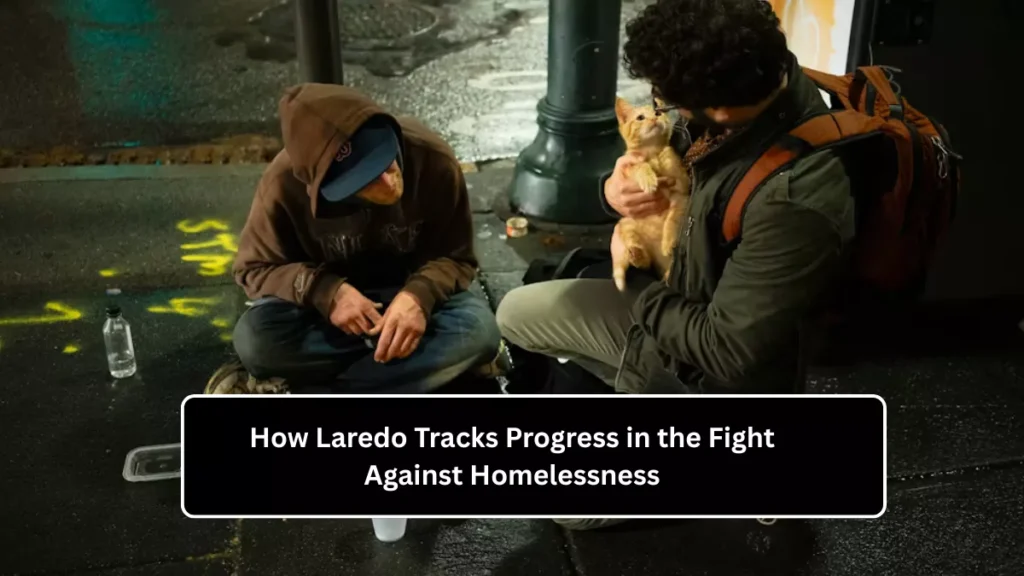
Measuring Success and Long-Term Impact
Evaluating the success of mental health support in homeless recovery requires both quantitative and qualitative measures. Metrics such as housing retention rates, program participation, and reduction in emergency service use provide tangible evidence of progress. Equally important are personal testimonies and improvements in clients’ quality of life, which capture the human impact of these interventions.
Long-term success depends on creating a sustainable system that addresses mental health holistically, including ongoing support and follow-up care. By combining rigorous evaluation with client-centered approaches, Laredo can continue refining its recovery programs and achieving meaningful outcomes.
Conclusion
Mental health support is a vital component of Laredo’s homeless recovery efforts. By addressing the psychological and emotional needs of individuals, these programs create pathways to stability, personal growth, and reintegration into society. Integrated services, trauma-informed care, and collaborative community efforts ensure that recovery is not only possible but sustainable.
For policymakers, practitioners, and citizens, investing in mental health support is not just a moral imperative—it is a practical strategy for reducing homelessness and building a stronger, healthier community. The progress made in Laredo demonstrates that with targeted interventions, empathy, and collaboration, mental health support can transform lives and foster long-term resilience.
FAQs
How does mental health support help homeless individuals in Laredo?
Mental health support provides counseling, therapy, and stability, addressing underlying conditions that contribute to homelessness.
What are trauma-informed care practices?
Trauma-informed care focuses on safety, choice, and empowerment, helping clients recover without retraumatization.
Why is stable housing important for mental health recovery?
Stable housing provides safety and consistency, allowing individuals to focus on treatment and overall wellbeing.
How do community organizations support mental health programs?
They offer outreach, case management, and resources while coordinating with providers to ensure comprehensive care.
Can substance use treatment be combined with mental health care?
Yes, integrated programs address addiction and mental health simultaneously, improving engagement and recovery outcomes.