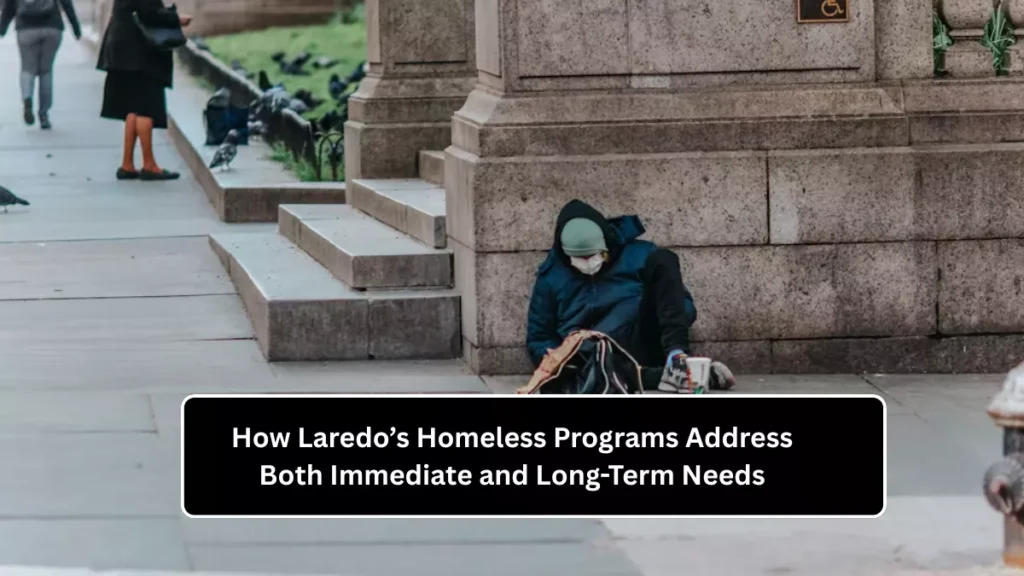
Homelessness is a pressing issue across many U.S. cities, and Laredo, Texas, is no exception. Behind the city’s vibrant culture, bustling border economy, and close-knit communities, there lies a growing population of individuals and families struggling without stable housing. While government initiatives provide a framework for assistance, local donations play a critical role in filling gaps and directly supporting homeless programs. Understanding how these contributions influence both immediate relief and long-term solutions can inspire more residents to engage meaningfully in local philanthropy.
In Laredo, the story of homelessness is multifaceted. Many people find themselves on the streets due to job loss, medical crises, or family instability. Others are immigrants or individuals transitioning out of temporary shelters without sufficient resources. Homeless programs in Laredo, ranging from emergency shelters to food banks and mental health support services, rely heavily on local donations to maintain operations. Without these contributions, many of these programs would struggle to provide even basic necessities.
 The Role of Mental Health Support in Laredo’s Homeless Recovery Efforts
How Local Donations Directly Support Homeless Programs
Donations in Laredo often come in the form of money, clothing, food, hygiene products, and volunteer time. Each contribution, whether large or small, has a measurable impact. Financial donations enable shelters to cover operational costs such as rent, utilities, and staff salaries. These funds also allow programs to expand their services, such as providing counseling, job training, and educational programs for adults and children experiencing homelessness.
Material donations, like clothing and food, directly improve the daily lives of those in need. Warm clothing during winter months, nutritious meals, and essential hygiene items can significantly reduce health risks for homeless individuals. While monetary donations are flexible and help sustain the program’s infrastructure, tangible contributions create immediate relief for those struggling to meet basic needs. Local organizations report that even small community drives often translate into hundreds of meals or hundreds of clothing items distributed each month.
The Ripple Effect of Local Contributions
Local donations do more than address immediate needs—they have a ripple effect across the community. When community members contribute, it not only sustains homeless programs but also raises public awareness about homelessness. These contributions inspire others to participate, creating a culture of giving and civic engagement. In many cases, individuals who initially provide small donations or volunteer hours eventually become long-term advocates, promoting policies and initiatives aimed at preventing homelessness in the first place.
The presence of well-supported programs also benefits the broader community. Homelessness is linked to public health concerns, crime, and economic instability. By supporting local shelters and services, donations help reduce these issues, creating a safer, healthier city. Programs that focus on rehabilitation, mental health support, and job placement empower individuals to reintegrate into society, ultimately reducing long-term dependency on emergency services and fostering economic participation.
 Housing First: Laredo’s Strategy to Provide Stability for the Homeless
Examples of Successful Local Initiatives in Laredo
Several programs in Laredo have demonstrated the tangible impact of local donations. The Samaritan House, for instance, relies on community contributions to operate its transitional housing program. Donations allow the organization to provide not only shelter but also skills training, medical assistance, and counseling. Many residents who enter these programs eventually secure stable employment and permanent housing, illustrating how local support fosters long-term outcomes.
Similarly, the Laredo Homeless Coalition has implemented mobile outreach programs funded by local donations. These outreach teams distribute meals, blankets, and hygiene kits while connecting homeless individuals with caseworkers who can guide them toward more permanent support services. The direct involvement of the community, through donations and volunteerism, has expanded the coalition’s reach, allowing it to support more people than it could relying solely on government funding.
Challenges Faced by Homeless Programs Without Local Support
Without consistent local donations, homeless programs face several challenges. Limited funding often forces shelters to operate at reduced capacity, leaving vulnerable individuals without access to essential resources. Programs may also struggle to maintain staff, provide specialized services, or implement new initiatives aimed at addressing the root causes of homelessness. The absence of community engagement can exacerbate social isolation among homeless populations, reducing opportunities for rehabilitation and reintegration.
Furthermore, the unpredictability of government funding underscores the importance of local contributions. Grants and public funds are often subject to delays, budget cuts, or eligibility requirements that exclude certain populations. Local donations provide flexibility and immediacy, allowing organizations to respond quickly to emerging needs, whether it’s a sudden influx of families seeking shelter during winter or an unexpected public health concern.
 How Community Volunteers Are Transforming Homeless Services in Laredo
How Residents Can Maximize Their Impact
Community members in Laredo can support homeless programs in various meaningful ways. Financial contributions remain the most versatile form of support, enabling organizations to allocate resources where they are most needed. Donating essential items such as clothing, blankets, food, and personal hygiene products addresses immediate needs. Volunteering time, whether assisting at a shelter, distributing meals, or mentoring individuals, creates lasting change by building personal connections and providing emotional support.
Awareness campaigns also amplify the effect of local donations. By promoting the programs and success stories within the community, residents can inspire others to contribute. Hosting community drives, fundraisers, or social media campaigns can significantly increase resources and volunteer participation, further strengthening the impact on homeless individuals and families.
Long-Term Benefits of Sustained Local Donations
Sustained local donations contribute to the long-term sustainability and effectiveness of homeless programs in Laredo. Programs that consistently receive support are better equipped to implement preventive measures, such as job training, addiction recovery programs, and mental health services. These initiatives reduce the likelihood of recurring homelessness, creating a more stable community overall.
In addition, programs with stable funding can invest in staff training, infrastructure improvements, and technology that streamline operations. Case management systems, digital tracking, and resource coordination become possible, allowing organizations to monitor outcomes more effectively and adjust strategies to meet evolving community needs. In this way, local donations transform into strategic investments, enabling programs to operate efficiently while maximizing their social impact.
Measuring the Effectiveness of Local Donations
Evaluating the impact of donations is essential for both donors and organizations. Many Laredo-based homeless programs publish annual reports detailing how funds are allocated, the number of individuals served, and success rates for reintegration programs. Tracking metrics such as the number of meals provided, housing placements achieved, or counseling sessions conducted offers transparency and accountability, encouraging ongoing community engagement.
Donors can also assess the effectiveness of their contributions by visiting shelters, participating in volunteer activities, or attending community events. Direct interaction allows supporters to witness the real-world outcomes of their contributions and understand where additional resources are most needed. This level of engagement not only builds trust but also strengthens the community’s overall commitment to addressing homelessness.
Overcoming Misconceptions About Local Donations
Some residents may hesitate to contribute due to misconceptions about how donations are used. Transparency from local organizations helps dispel these concerns, demonstrating that funds are carefully managed and directed toward impactful services. Success stories and data-driven results highlight the direct benefits to homeless individuals, reinforcing the value of community support.
Another misconception is that homelessness cannot be resolved through local efforts alone. While systemic issues require comprehensive solutions, local donations provide essential support that complements broader policy initiatives. By bridging gaps, these contributions enhance the effectiveness of public programs and ensure no one is left behind in the community.
Actionable Steps for Residents to Engage
For residents seeking to make a meaningful difference, there are practical steps to consider. Begin by identifying reputable local homeless programs and understanding their specific needs. Evaluate whether monetary contributions, material donations, or volunteer work would be most effective. Engage family, friends, and colleagues to multiply the impact, creating networks of support that extend throughout the community. Regularly monitor program updates to stay informed about evolving priorities and emerging opportunities for involvement.
Community involvement also extends beyond donations. Advocating for local policies that address affordable housing, healthcare access, and workforce development helps create structural change. Residents who combine financial support with advocacy and volunteering contribute to both immediate relief and long-term solutions, ensuring sustainable outcomes for homeless individuals and families.
Conclusion
Local donations in Laredo play a vital role in supporting homeless programs, addressing immediate needs, and fostering long-term solutions. Contributions of money, materials, and time directly improve the lives of individuals experiencing homelessness while strengthening the community as a whole. Sustained support ensures program stability, encourages preventive initiatives, and enhances social reintegration.
Residents can maximize their impact by understanding organizational needs, engaging in volunteer work, and promoting awareness within the community. By investing in local programs, Laredo citizens not only alleviate immediate suffering but also help create a future where homelessness is significantly reduced and all members of the community can thrive.
FAQs
How do local donations help homeless programs in Laredo?
Local donations provide funds, food, clothing, and volunteer support, directly sustaining shelters and programs for homeless individuals.
Can small contributions make a difference?
Yes, even small donations or volunteer efforts collectively support meals, clothing, and essential services for those in need.
Are local homeless programs in Laredo transparent about donations?
Reputable programs provide reports detailing fund usage, the number of individuals served, and success outcomes.
How can I volunteer for homeless support programs?
Contact local shelters or coalitions to assist with meal distribution, mentoring, or organizing donation drives.
Do donations influence long-term solutions for homelessness?
Yes, sustained support enables programs to offer training, counseling, and housing initiatives that prevent recurring homelessness.