Homelessness is one of the most pressing social issues facing communities across the United States, and Laredo, Texas, is no exception. Each night, hundreds of individuals in the city face the harsh reality of sleeping on the streets, in cars, or in temporary shelters. Beyond the immediate struggle for safety and warmth, homelessness often brings severe health challenges, mental health concerns, and barriers to employment and social reintegration.
Addressing this complex issue requires more than temporary fixes. Laredo’s adoption of the Housing First approach represents a transformative strategy that prioritizes stability and dignity for its homeless population. Understanding how this approach works, why it matters, and how it is implemented provides valuable insight into solving homelessness in ways that are compassionate, effective, and sustainable.
 Bridging the Gap: Connecting Laredo’s Homeless to Essential Services
Understanding the Housing First Model
Housing First is a concept grounded in the principle that safe, stable housing is the foundation for addressing other challenges such as mental health issues, substance abuse, and unemployment. Unlike traditional homelessness programs that often require individuals to meet certain conditions before receiving housing, Housing First provides immediate access to permanent housing without preconditions. This model is supported by research showing that individuals are far more successful in improving health, securing employment, and participating in community life when they have a stable home.
Laredo’s adoption of Housing First is significant because it shifts the conversation from temporary shelter provision to long-term solutions. By focusing on housing as a human right rather than a reward for compliance, the city creates an environment where homeless individuals can regain control over their lives. Experts in public health and social services have consistently highlighted Housing First as a best practice, particularly for people experiencing chronic homelessness who face compounded challenges that make conventional programs ineffective.
The State of Homelessness in Laredo
Laredo’s homeless population is diverse, encompassing individuals of various ages, backgrounds, and circumstances. Many are families escaping domestic violence, veterans grappling with service-related trauma, or individuals struggling with chronic health conditions and mental illnesses. According to local social service organizations, the city sees hundreds of individuals on the streets nightly, with a significant portion experiencing long-term homelessness.
The traditional approach in Laredo, as in many cities, focused on emergency shelters and transitional housing programs. While these services offered temporary relief, they often left people cycling in and out of shelters without achieving lasting stability. Emergency services were also resource-intensive and often failed to address the root causes of homelessness. Housing First changes this paradigm by providing permanent housing upfront, creating a foundation from which individuals can address personal and social challenges more effectively.
 From Streets to Stability: Laredo’s Holistic Approach to Homelessness
How Laredo Implements Housing First
Implementing Housing First in Laredo involves coordinated efforts among local government agencies, nonprofit organizations, and community stakeholders. One of the core components is the identification and prioritization of chronically homeless individuals and families. Case managers work closely with clients to assess needs and connect them to appropriate housing units, often scattered throughout the city to avoid clustering and promote integration into the community.
Supportive services accompany housing placement, including mental health counseling, substance abuse treatment, employment assistance, and financial literacy programs. These services are voluntary but highly encouraged, recognizing that stability in housing increases the likelihood of participation. Laredo also invests in landlord partnerships, providing incentives and resources to landlords willing to rent to formerly homeless individuals, helping to overcome common barriers such as poor credit history or previous evictions.
Funding for Housing First initiatives in Laredo comes from a combination of federal grants, local government budgets, and private donations. The city leverages programs such as the U.S. Department of Housing and Urban Development’s Continuum of Care funds, while local nonprofits supplement resources through community fundraising and volunteer support. This multi-tiered funding approach ensures sustainability and allows the city to expand its reach to more individuals in need.
Real Impact and Success Stories
The results of Laredo’s Housing First strategy have been promising. Individuals placed in permanent housing experience improved health outcomes, with fewer hospital visits and reduced reliance on emergency medical services. Mental health and substance use support services help many residents regain stability and confidence, leading to increased employment and engagement in community activities.
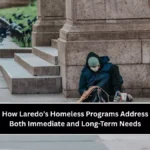 How Laredo’s Homeless Programs Address Both Immediate and Long-Term Needs
Personal stories illustrate the transformative power of this approach. For example, a veteran who struggled with post-traumatic stress and chronic homelessness found stability in a Housing First apartment. With consistent support, he was able to reconnect with family, pursue part-time employment, and engage in volunteer work. Another example involves a mother of three who escaped domestic violence; immediate access to housing allowed her children to attend school regularly while she completed job training and secured employment. These stories highlight how addressing housing first removes immediate stressors and creates a pathway to long-term success.
Challenges and Considerations
Despite its effectiveness, Housing First is not without challenges. One primary concern is funding, as maintaining permanent housing and providing ongoing support services requires significant investment. Additionally, some community members and policymakers express skepticism, fearing that providing housing without preconditions may enable undesirable behaviors. Laredo addresses these concerns through education and outreach, demonstrating evidence-based outcomes and emphasizing the voluntary nature of support services.
Another challenge is scalability. While Laredo has made meaningful progress, the number of individuals experiencing homelessness still exceeds available housing units. The city continues to explore innovative solutions, including partnerships with developers to create affordable housing units, adaptive reuse of vacant buildings, and leveraging technology to improve case management and service delivery.
Lessons from Laredo for Other Cities
Laredo’s Housing First approach offers valuable lessons for other cities facing similar challenges. First, prioritizing housing stability as the foundation of all interventions is essential for lasting impact. Second, integrating supportive services tailored to individual needs enhances success rates and improves overall quality of life. Third, collaboration across government, nonprofit, and private sectors ensures that resources are maximized, and solutions are sustainable.
Moreover, Laredo demonstrates the importance of community engagement. Educating the public about the benefits of Housing First, showcasing success stories, and involving community members in volunteer opportunities fosters understanding and reduces stigma. Cities that adopt this model benefit not only the homeless population but also the broader community, with reductions in public service costs and improvements in public health and safety.
Actionable Steps for Community Support
Individuals and organizations interested in supporting Housing First initiatives in Laredo can take several practical steps. Volunteering with local nonprofits, donating funds or goods, and advocating for affordable housing policies contribute directly to program success. Employers can offer job training or employment opportunities to program participants, while mental health professionals can provide counseling and support services. Even small contributions, such as providing transportation assistance or mentorship, make a meaningful difference in helping residents maintain stability and independence.
Community members can also advocate for expanded Housing First funding and supportive policies by attending city council meetings, participating in public forums, and collaborating with advocacy organizations. By taking these actions, the community plays an integral role in creating a supportive environment for formerly homeless individuals to thrive.
The Broader Implications of Housing First
The success of Housing First in Laredo has broader implications for national and global efforts to combat homelessness. Cities that invest in permanent housing as a primary intervention often see reductions in emergency service use, lower healthcare costs, and improved social outcomes. This model aligns with research from the National Alliance to End Homelessness, which consistently shows that stable housing reduces long-term homelessness and promotes self-sufficiency.
Laredo’s experience also challenges traditional notions of homelessness intervention, proving that compassion and evidence-based strategies can coexist with fiscal responsibility. By treating housing as a fundamental right, the city promotes dignity, safety, and opportunity for individuals who might otherwise remain marginalized and unsupported.
Future Outlook for Laredo’s Housing First Initiative
Looking forward, Laredo aims to expand its Housing First program, increase affordable housing availability, and strengthen partnerships with local organizations. The city is exploring innovative approaches such as modular housing, rapid rehousing programs, and integrating technology for more efficient case management. Continuous evaluation and adaptation of strategies ensure that resources are used effectively and that program outcomes are measured and improved over time.
Ultimately, the goal is to move beyond crisis intervention to create a city where homelessness is rare, brief, and non-recurring. Laredo’s commitment to Housing First signals a long-term vision that prioritizes human dignity, public health, and community cohesion, providing a model for cities across the nation.
Conclusion
Laredo’s Housing First strategy represents a bold and evidence-based approach to tackling homelessness. By prioritizing stable housing, integrating supportive services, and fostering community engagement, the city creates pathways for individuals to regain independence, improve health, and participate fully in society. While challenges remain, the program’s success demonstrates the transformative power of addressing homelessness with compassion, strategy, and evidence. For communities seeking sustainable solutions, Laredo’s experience underscores that housing is not merely a shelter but the foundation for opportunity, stability, and dignity.
FAQs
What is Housing First?
Housing First provides immediate, permanent housing to homeless individuals without preconditions.
How does Laredo support Housing First participants?
Laredo offers mental health, substance abuse, and employment services alongside housing.
Who benefits from Housing First programs?
Chronically homeless individuals, families escaping violence, veterans, and those with health challenges.
Is Housing First effective in reducing homelessness?
Yes, research shows it reduces shelter reliance, improves health outcomes, and supports self-sufficiency.
How can the community support Housing First?
Volunteering, donating, advocating for affordable housing, and providing mentorship or employment opportunities.