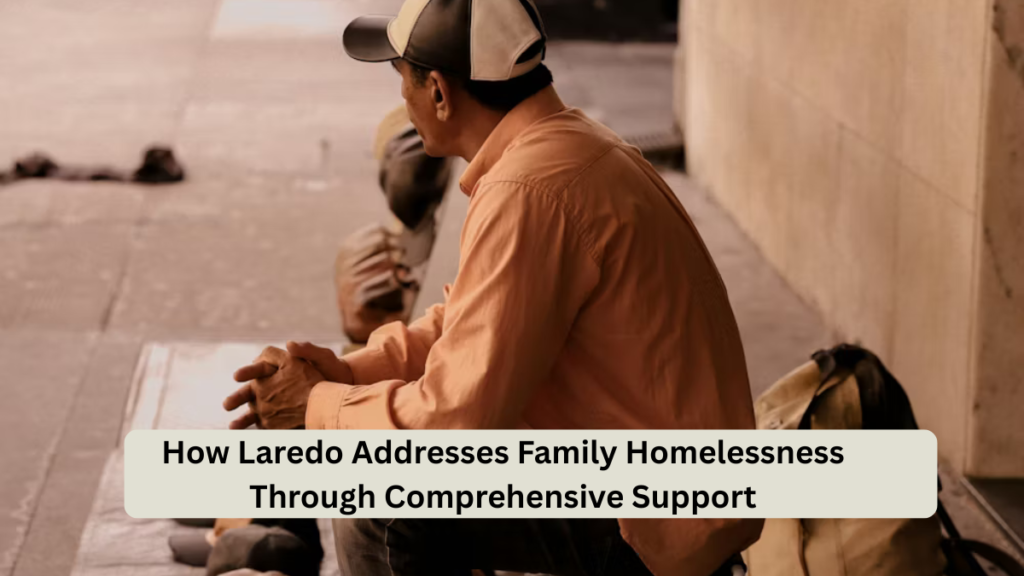
Homelessness is one of the most pressing social challenges facing communities across the United States, and Laredo, Texas, is no exception. Families without stable housing face enormous barriers, from finding a safe place to sleep to ensuring children receive consistent schooling. Beyond the immediate struggle for survival, the lack of access to education and essential resources can trap families in a cycle of poverty for generations.
Understanding how Laredo addresses these challenges provides a valuable glimpse into community resilience, social innovation, and the power of local support networks. This article explores the initiatives, programs, and strategies that help homeless families in Laredo access education and crucial resources, offering both insight and practical guidance for those who want to help or benefit from these services.
 How Art and Culture Are Helping Raise Awareness About Homelessness in Laredo
Understanding Homelessness in Laredo
Homelessness in Laredo affects a diverse population, including single parents, migrant families, and children who face constant disruption in their schooling. Many families experience housing instability due to low wages, high living costs, or unexpected life events such as job loss or medical emergencies. Children in homeless families often face interruptions in their education, which can lead to falling behind academically, social isolation, and emotional stress. The situation is compounded by limited access to healthcare, nutritious food, and safe recreational spaces. Recognizing these challenges is crucial because providing support is not just about immediate shelter—it’s about breaking the cycle of poverty through education and opportunity.
Local organizations, schools, and city programs in Laredo have collaborated to create systems that address both the urgent and long-term needs of homeless families. By combining housing assistance with educational resources, the city aims to empower families rather than simply provide temporary relief.
Education Access for Homeless Children
One of the most critical aspects of supporting homeless families is ensuring children can continue their education without interruption. Schools in Laredo, in coordination with local nonprofits and social service agencies, prioritize enrolling children in nearby schools even when their families lack a permanent address. Transportation services are often arranged to help students attend school consistently. This can include bus passes, rides from volunteers, or school-dedicated transportation programs.
Beyond enrollment, schools provide additional support such as tutoring, after-school programs, and access to technology. Many children experiencing homelessness face a gap in learning due to frequent moves or limited resources at home. Dedicated educators and social workers in Laredo work to bridge this gap, offering individualized attention and connecting families to educational grants, scholarships, and summer learning programs. These initiatives aim to create a stable academic environment that encourages children to stay in school and pursue higher education.
 Volunteer Stories: Making a Difference in Laredo’s Homeless Community
Community Programs Supporting Families
Laredo’s approach goes beyond schools; community programs play a vital role in ensuring homeless families have access to essential services. Local shelters not only provide safe housing but also integrate educational support and life skills training. Many shelters partner with nonprofits to provide workshops on parenting, financial literacy, job readiness, and nutrition. These programs equip parents with the tools they need to achieve stability and support their children’s learning.
Food security is another critical area where Laredo offers support. Community kitchens, food banks, and meal programs ensure that children and parents receive nutritious meals regularly. Some programs are integrated with schools, allowing children to access breakfast and lunch during school days and take-home meals for weekends. Proper nutrition is essential for cognitive development and academic success, making these programs a cornerstone of educational support for homeless families.
Collaboration Between Agencies
The effectiveness of Laredo’s support system comes from collaboration between multiple agencies. Local government offices, school districts, healthcare providers, and nonprofit organizations work together to address the complex needs of homeless families. For example, case managers often coordinate between a family’s housing situation, educational needs, and medical care, creating a comprehensive plan for stability.
Healthcare is a critical part of this collaboration. Homeless families often face difficulty accessing routine medical care, leading to untreated illnesses and mental health challenges. Laredo offers mobile health clinics and partnerships with local hospitals to provide preventive care, immunizations, and counseling services. Ensuring families are healthy allows children to attend school regularly and perform better academically, creating a holistic approach to supporting homeless families.
 How Faith-Based and Community Groups Unite to Support Laredo’s Homeless
Technology and Digital Access
In today’s world, access to technology is essential for education. Homeless families in Laredo often lack computers, internet access, or digital literacy skills. Local programs work to bridge this gap by providing laptops, tablets, and internet hotspots. Schools and libraries offer digital literacy training, ensuring children can complete homework, participate in online learning, and develop the skills necessary for the modern workforce.
Digital access also helps parents engage with schools, track their children’s progress, and connect with resource networks. By addressing the technological divide, Laredo ensures that homelessness does not mean educational disadvantage.
Housing Stability and Education
Stable housing is one of the most significant factors affecting a family’s ability to access education and resources. Laredo has implemented initiatives that connect homeless families with temporary shelters, transitional housing, and long-term affordable housing solutions. Some programs provide rent assistance or vouchers, helping families secure permanent homes.
Housing stability allows children to attend the same school consistently, build relationships with teachers and peers, and maintain a sense of security. Parents, meanwhile, can focus on employment, education, and family well-being rather than the daily struggle of finding shelter. By linking housing programs with educational and social services, Laredo creates an environment where families can plan for the future and break the cycle of homelessness.
Supporting Mental Health and Emotional Well-being
The emotional toll of homelessness can significantly impact both parents and children. Children may experience anxiety, depression, or behavioral issues due to instability, while parents may struggle with stress and trauma. Laredo’s community programs address these needs by providing counseling, support groups, and mental health services tailored to homeless families.
Schools often have dedicated counselors who work with children individually or in groups, helping them navigate challenges related to homelessness. For parents, therapy and support programs focus on coping strategies, resilience building, and connecting with peer networks. By addressing mental health, Laredo ensures that families are not only surviving but also thriving emotionally and socially.
How Individuals Can Make a Difference
While city programs and nonprofits play a crucial role, community members can also contribute to helping homeless families access education and resources. Volunteering at local shelters, tutoring children, donating school supplies, or participating in mentorship programs are practical ways to make a direct impact. Supporting local fundraising events or advocacy campaigns helps ensure that programs remain funded and can expand their reach.
Being informed about the challenges homeless families face is equally important. Advocating for policies that increase affordable housing, improve school resources, and expand social services strengthens the safety net for those in need. Community awareness fosters empathy and encourages a culture of support, making Laredo a more inclusive and resilient city.
Case Examples and Success Stories
Several families in Laredo have benefited from the city’s integrated approach to homelessness and education. For instance, a single mother with two children who faced eviction was connected to transitional housing while her children enrolled in nearby schools. The family received counseling, job training, and access to nutrition programs. Within a year, the mother secured stable employment, moved into permanent housing, and her children showed significant academic improvement.
Another example involves a teenage student who frequently missed school due to family instability. Through a collaboration between the school district and local nonprofits, she received transportation, tutoring, and mental health support. With consistent attendance and encouragement, she excelled academically and eventually enrolled in college. These stories illustrate how coordinated efforts can transform lives and provide hope for families experiencing homelessness.
Conclusion
Laredo’s approach to supporting homeless families demonstrates the importance of comprehensive, community-driven solutions. By focusing on education, housing stability, mental health, nutrition, and digital access, the city ensures that families can access the resources they need to thrive. Collaboration between government agencies, schools, nonprofits, and community members is key to creating sustainable change.
For families experiencing homelessness, the path to stability may be challenging, but the support systems in Laredo provide a foundation for hope and growth. Community members can contribute through volunteering, donations, or advocacy, reinforcing the city’s efforts. Ultimately, helping homeless families access education and resources is not just about meeting immediate needs—it’s about creating opportunities, breaking the cycle of poverty, and building a stronger, more compassionate community.
FAQs
How does Laredo support homeless children’s education?
Laredo ensures enrollment in local schools, provides tutoring, transportation, and access to educational programs for homeless children.
What housing options are available for homeless families in Laredo?
Families can access shelters, transitional housing, and affordable housing programs with rent assistance or vouchers.
Are there programs for parents to gain job skills?
Yes, Laredo offers workshops on job readiness, financial literacy, and parenting to help parents achieve stability.
How do homeless families access healthcare services in Laredo?
Mobile clinics, hospital partnerships, and community health programs provide preventive care, immunizations, and counseling.