Homelessness is not just a housing problem—it is a social, economic, and public health challenge that affects communities nationwide. In Laredo, Texas, a city with a unique blend of cultural heritage and border dynamics, the issue of homelessness has inspired innovative solutions that go beyond temporary shelter. The city has adopted a holistic approach that addresses the root causes of homelessness, emphasizing not only housing but also healthcare, employment, and community integration.
Understanding Laredo’s model offers valuable insights into how cities can create sustainable pathways out of homelessness while fostering dignity and stability for vulnerable populations. In this article, we explore Laredo’s strategies, real-life impacts, and actionable lessons for policymakers, social workers, and concerned citizens.
 The Importance of Nutrition and Health Services for Laredo’s Homeless
Understanding the Scope of Homelessness in Laredo
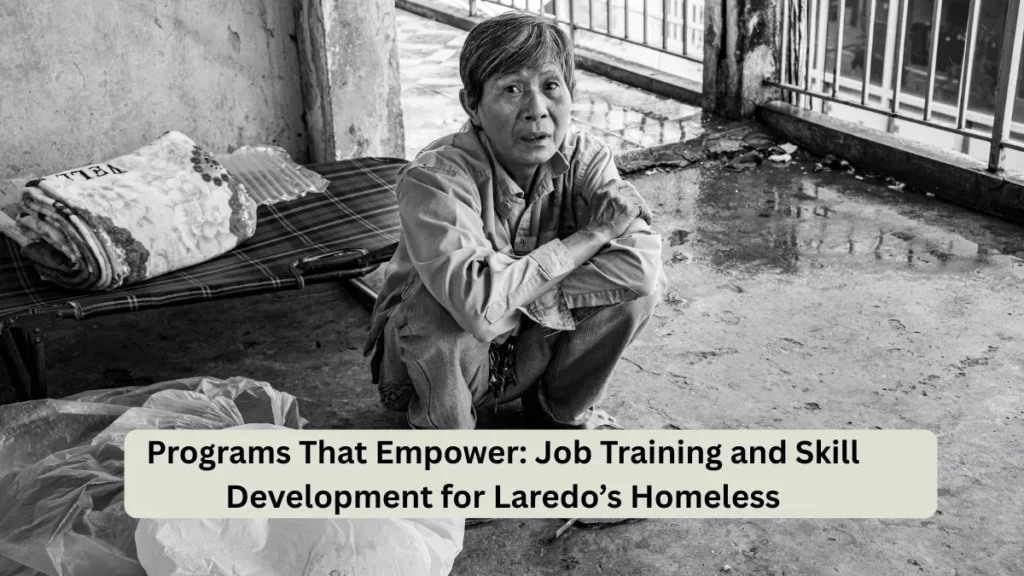
Laredo’s homeless population is diverse, including individuals facing economic hardships, mental health challenges, substance use disorders, and family crises. Unlike major metropolitan areas, Laredo experiences a unique intersection of urban and border-related challenges, such as limited access to affordable housing, cross-border migration pressures, and economic disparities. Recent local surveys indicate that a significant proportion of homeless individuals in Laredo are chronically homeless, meaning they face prolonged periods without stable housing, often compounded by health issues or unemployment. Addressing these complex factors requires more than emergency shelters—it demands comprehensive, long-term solutions.
Laredo’s Holistic Strategy
Laredo’s approach to homelessness is rooted in a philosophy that treats people as more than their housing status. The city and local nonprofits have collaborated to create an ecosystem of services that address multiple aspects of an individual’s life. This strategy includes three primary pillars: housing, supportive services, and community engagement.
Housing First Model
Central to Laredo’s approach is the Housing First model, which prioritizes providing permanent housing without preconditions. This model is based on the understanding that stable housing is the foundation for addressing other challenges, including mental health, substance use, and employment. By ensuring immediate access to safe and secure housing, Laredo allows individuals to regain control over their lives, fostering stability and long-term independence.
Permanent supportive housing programs in Laredo integrate affordable housing with wraparound services. Case managers work closely with residents to develop personalized plans that may include medical care, counseling, financial literacy training, and job placement support. The result is a system that treats housing as a right rather than a privilege, which has been shown in numerous studies to reduce emergency room visits, criminal justice involvement, and long-term homelessness.
 The Impact of Local Donations on Supporting Homeless Programs in Laredo
Comprehensive Support Services
Providing a roof over someone’s head is only the first step. Laredo recognizes that many homeless individuals face layered challenges requiring targeted interventions. Mental health and substance use services are a cornerstone of the city’s approach. Partnerships with local clinics and behavioral health providers ensure that individuals receive counseling, psychiatric care, and substance rehabilitation programs as part of their housing plan.
Employment and skill-building programs are also critical. Laredo offers vocational training, resume workshops, and job placement assistance tailored to the needs of formerly homeless individuals. These programs aim to break the cycle of poverty by providing not just jobs but sustainable career paths. Additionally, financial literacy initiatives help individuals manage their income, budget effectively, and plan for long-term financial security.
Healthcare access is another vital element. Homeless individuals often face untreated chronic illnesses, leading to frequent hospitalizations and high medical costs. By coordinating with local health providers, Laredo ensures residents have access to preventive care, chronic disease management, and urgent medical attention. This integrated health support contributes to better overall outcomes and reduces the strain on public health resources.
Community Integration and Social Support
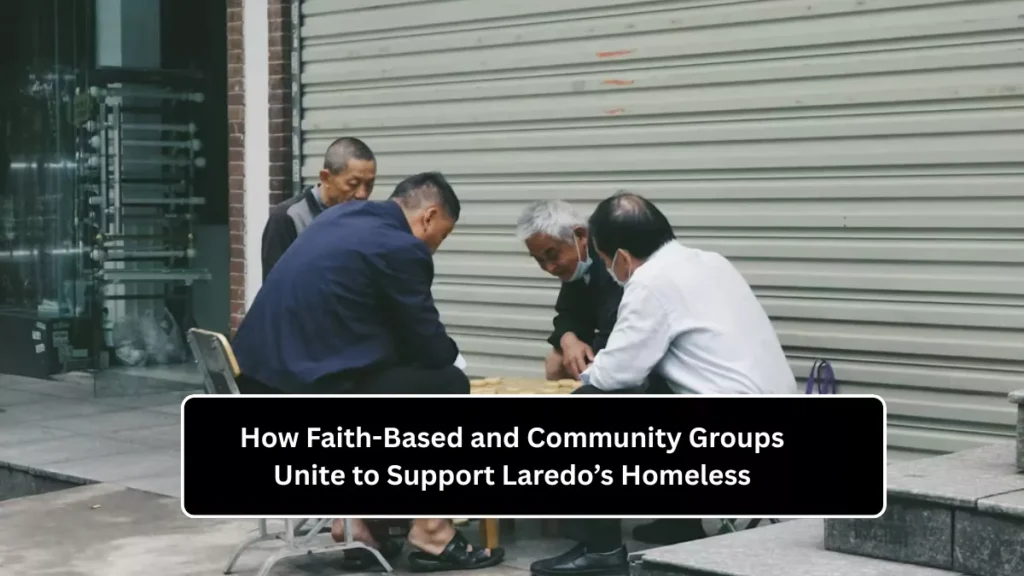
Homelessness is not only a physical or financial challenge—it can also be socially isolating. Laredo emphasizes community integration as a pathway to sustainable stability. Social programs foster a sense of belonging, connecting residents with peer support groups, mentorship opportunities, and community events. Local faith-based organizations, volunteers, and neighborhood networks play an essential role in creating inclusive environments that encourage participation and rebuild social trust.
 Laredo’s Vision for 2030: Ending Homelessness Through Innovation and Care
Community engagement also extends to public awareness campaigns. Laredo actively works to combat stigma associated with homelessness by educating citizens about the underlying causes and the benefits of supportive interventions. This inclusive approach helps create a community culture that supports recovery and reintegration rather than perpetuating marginalization.
Measuring Success and Impact
Laredo’s holistic approach has shown measurable success in several key areas. Permanent housing placements have increased, and the duration of homelessness for individuals has decreased. Case studies reveal that individuals who access integrated services experience improved mental and physical health outcomes, higher employment rates, and enhanced social connectedness. Emergency service usage, including hospital visits and law enforcement encounters, has declined, demonstrating the cost-effectiveness of proactive interventions.
Evaluating success goes beyond statistics. Laredo prioritizes human-centered outcomes, such as self-sufficiency, dignity, and quality of life. By tracking these indicators, the city ensures that programs are not only efficient but also meaningful to the individuals they serve. This holistic measurement framework reflects the city’s commitment to long-term solutions rather than short-term fixes.
Challenges and Lessons Learned
Despite notable successes, Laredo faces ongoing challenges in addressing homelessness. Limited funding, fluctuating political priorities, and the complexity of individual needs can strain resources. Coordinating multiple agencies and service providers requires continuous communication and adaptive strategies. Additionally, border dynamics and migration-related factors present unique pressures that necessitate flexible and culturally competent solutions.
One key lesson from Laredo’s experience is the importance of collaboration. No single agency can solve homelessness alone. Public, private, and nonprofit sectors must work together to create a seamless network of support. Another lesson is the need for evidence-based practices. Laredo continually evaluates program effectiveness and adjusts strategies based on outcomes and feedback, ensuring resources are used efficiently and humanely.
How Other Cities Can Apply Laredo’s Model
While each city faces unique challenges, Laredo’s approach provides actionable insights that can be adapted elsewhere. Prioritizing housing as a foundation, integrating comprehensive support services, and fostering community engagement are universally applicable principles. Cities can start by establishing partnerships with local nonprofits, healthcare providers, and employment agencies. Investing in data-driven program evaluation helps identify what works and allows for continual improvement.
Furthermore, addressing stigma and promoting public understanding of homelessness is critical. Awareness campaigns and community involvement create an environment where residents are more likely to support innovative solutions and volunteer for meaningful roles. By combining structural support with cultural change, cities can create sustainable pathways out of homelessness.
Actionable Tips for Individuals and Organizations
Individuals who want to contribute can focus on volunteering, mentorship, or advocacy. Providing time, skills, or resources can help bridge gaps in local services. Organizations can adopt holistic approaches by offering integrated housing, healthcare, and employment support, even at small scales. Collaboration and coordination amplify impact, allowing each contribution to create meaningful change.
Educators and social workers can use Laredo’s model to teach students and clients about systemic solutions, emphasizing empathy, dignity, and proactive problem-solving. Policymakers can learn from Laredo’s evidence-based approach, investing in programs that provide long-term benefits rather than temporary fixes.
Conclusion
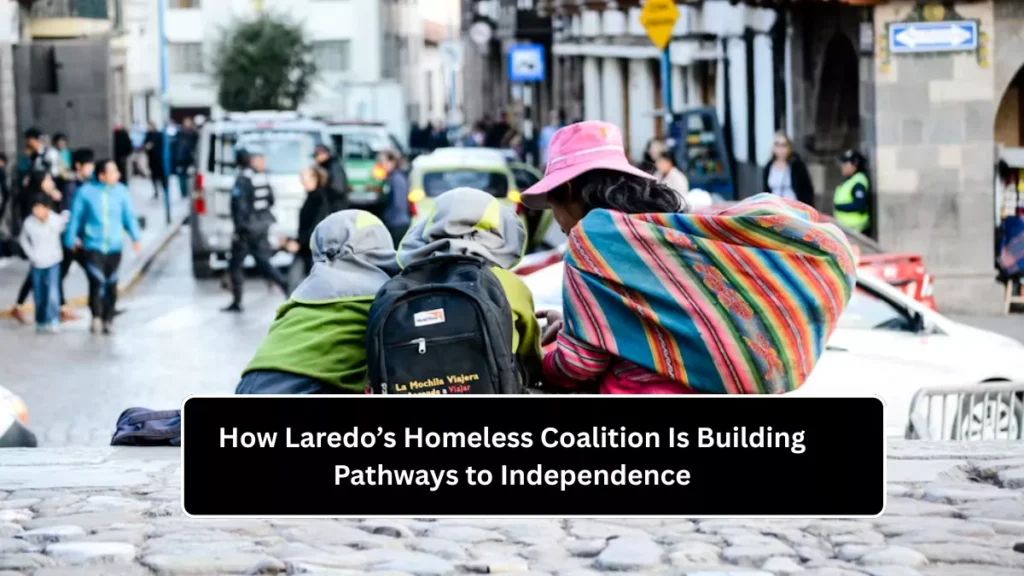
Laredo’s approach to homelessness demonstrates that stability is achievable when communities address the full spectrum of human needs. By combining permanent housing, comprehensive support services, and community integration, the city has created a model that prioritizes dignity, health, and long-term independence. While challenges remain, the lessons from Laredo offer a roadmap for other cities seeking to move from crisis response to sustainable solutions. Homelessness is a complex problem, but with holistic strategies, collaboration, and compassion, streets can become pathways to stability for those who need it most.