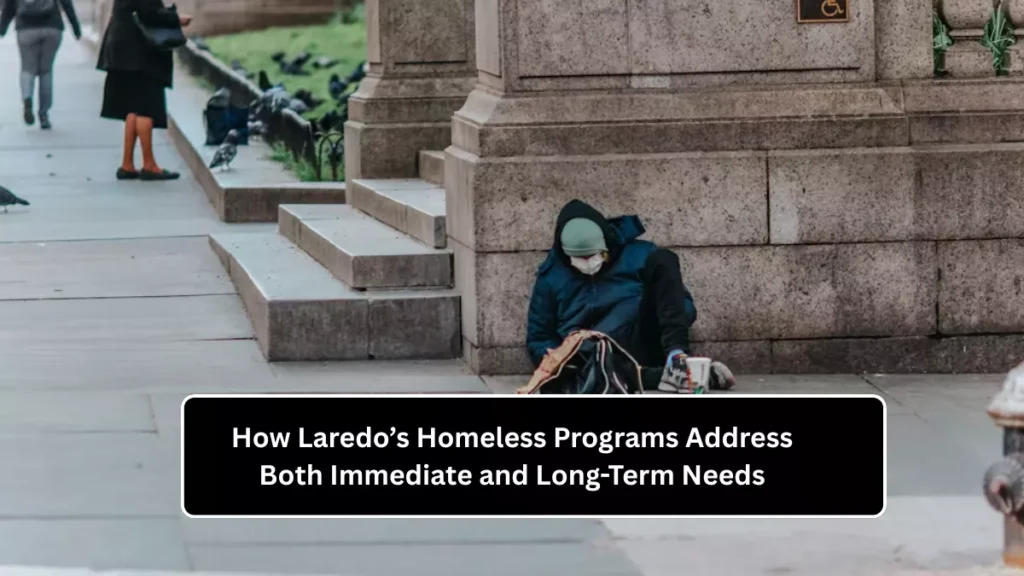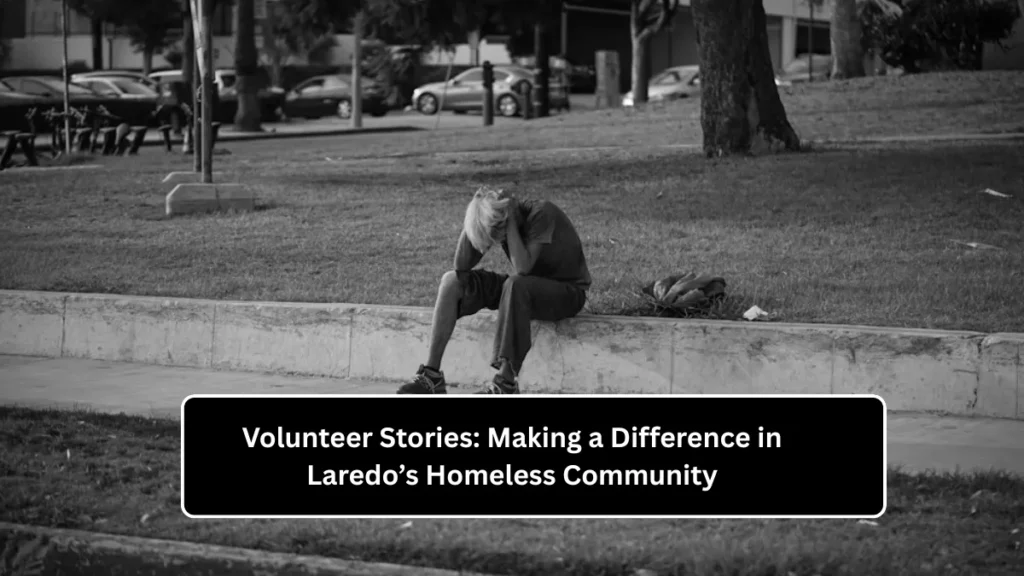
Homelessness is more than a lack of shelter; it is a struggle for basic survival where nutrition and healthcare often fall last in line. In Laredo, Texas, a city rich in culture yet marked by economic inequality, homelessness remains an urgent social challenge. Every day, many individuals live without stable access to nutritious food or proper medical care. This lack does not just affect their physical health—it perpetuates a cycle of poverty, illness, and marginalization.
Understanding the connection between nutrition, healthcare, and homelessness is crucial for any community that seeks real progress. For Laredo, the challenge goes beyond providing temporary shelter. It’s about ensuring that every person—regardless of their circumstances—has access to the food, care, and support systems that sustain human life. This article explores why nutrition and health services are essential for Laredo’s homeless population, how the city is addressing these needs, and what more can be done to create lasting change.
 How Laredo Addresses Family Homelessness Through Comprehensive Support
Why Nutrition Matters in Combating Homelessness
Proper nutrition is not a luxury—it’s a necessity that directly impacts energy, mental clarity, and immunity. For Laredo’s homeless residents, access to nutritious meals can determine whether they recover from illness, find the strength to work, or continue to spiral into poor health. Malnutrition weakens the immune system, making individuals more vulnerable to infections, chronic diseases, and even mental health disorders.
Many homeless individuals in Laredo rely on low-cost, high-calorie meals provided by charitable groups or convenience stores. While these options fill hunger temporarily, they lack the essential vitamins, minerals, and protein needed for long-term health. Poor nutrition contributes to obesity, diabetes, and hypertension—conditions already prevalent in the region. The absence of healthy food options amplifies these risks, creating a cycle where hunger leads to illness, and illness leads to deeper poverty.
A focus on nutritional assistance—through meal programs, community kitchens, and mobile food distribution—can help bridge this gap. Balanced meals with fresh fruits, vegetables, and lean proteins can restore physical strength, improve mental well-being, and help homeless individuals regain stability in their lives.
The Health Challenges Facing Laredo’s Homeless Population
Health problems among the homeless are complex and interconnected. Physical illnesses often coexist with mental health issues, substance abuse, and trauma. In Laredo, where extreme summer temperatures and limited shelter capacity pose additional risks, untreated conditions can rapidly worsen. Common issues include respiratory infections, dehydration, skin diseases, diabetes, and high blood pressure.
 The Impact of Local Donations on Supporting Homeless Programs in Laredo
Homeless individuals rarely have access to consistent medical care. Many depend on emergency rooms for treatment, which only addresses symptoms rather than underlying causes. Without preventive care, chronic illnesses worsen, increasing both personal suffering and public healthcare costs.
Mental health also plays a significant role. Anxiety, depression, and post-traumatic stress disorder are widespread among Laredo’s homeless population. These conditions are often triggered or worsened by malnutrition, lack of sleep, and the stress of living without stability. Access to integrated health services—where physical and mental care are provided together—is vital to addressing these overlapping problems effectively.
The Role of Local Health Services in Laredo
Laredo’s healthcare system faces unique challenges due to its border location, limited funding, and growing population. Yet, several local organizations and community initiatives have stepped forward to fill critical gaps in care for the homeless. Community health centers, mobile clinics, and volunteer medical programs play an important role in delivering free or low-cost services.
These services often include vaccinations, screenings for chronic diseases, and treatment for minor ailments. However, their greatest strength lies in outreach. Mobile health units and street medicine programs bring care directly to homeless encampments and shelters, removing barriers like transportation and cost. By offering both medical attention and nutrition guidance, these services improve health outcomes while restoring dignity and trust.
 How Laredo’s Homeless Coalition Provides Lifeline Services During Crises
Nutrition-focused health interventions have proven effective. Providing medical checkups alongside nutritious meals helps address immediate hunger while promoting long-term wellness. Laredo’s success in these efforts depends largely on community collaboration—between health professionals, nonprofits, and city agencies working toward shared goals.
How Nutrition and Health Services Work Together
Nutrition and healthcare are deeply interconnected. Good nutrition supports recovery from illness, while access to medical care ensures that nutritional deficiencies and related diseases are properly treated. For Laredo’s homeless, addressing these two areas together can transform lives more effectively than isolated interventions.
For example, a homeless individual suffering from diabetes cannot manage the condition without stable meals. Similarly, a person experiencing malnutrition may struggle to heal from infections even with medical attention. Coordinated programs that combine nutritional support with clinical care address these challenges holistically.
Medical teams that collaborate with local food distribution programs can screen individuals for malnutrition, educate them on healthier food choices, and refer them to relevant services. Integrating these systems not only improves physical outcomes but also helps rebuild confidence and self-worth, two critical factors in recovery and reintegration.
The Barriers to Accessing Health and Nutrition Services
Despite the growing awareness, significant barriers still prevent Laredo’s homeless from accessing essential nutrition and health services. These obstacles include lack of transportation, limited clinic hours, documentation requirements, and social stigma. Many homeless individuals also fear discrimination or judgment when seeking help, leading them to avoid healthcare altogether.
Language barriers and mental health issues further complicate outreach efforts. For instance, individuals with untreated mental illness may struggle to navigate application forms or follow medical instructions. In addition, local shelters and service centers often operate at full capacity, making it difficult to accommodate all who need assistance.
Overcoming these challenges requires compassion-driven solutions. Expanding mobile services, increasing bilingual outreach, and training staff in trauma-informed care can help close the accessibility gap. Furthermore, developing trust-based community partnerships ensures that homeless individuals feel respected and safe when seeking help.
Community-Based Solutions in Laredo
Community involvement remains the cornerstone of progress. Laredo’s faith-based organizations, local volunteers, and nonprofits are essential in delivering meals, hygiene kits, and basic healthcare. Many have expanded their efforts to include nutritional education and mental health awareness programs, which teach individuals how to make healthier choices even within limited means.
For example, local food pantries that offer fresh produce rather than processed foods are seeing positive results. By emphasizing fresh, balanced meals, these programs improve both physical health and morale. Partnerships with healthcare providers allow for follow-up care, ensuring that individuals do not fall through the cracks after receiving short-term aid.
Education also plays a major role. Workshops that teach budgeting for food, identifying nutritious options, and understanding portion sizes empower individuals to take control of their well-being once they transition out of homelessness.
Building a Sustainable Model for Laredo’s Future
Long-term solutions depend on sustainability. Temporary relief through meal programs or mobile clinics can only go so far without structural support from local policy and funding. Laredo’s path forward should focus on developing integrated systems that combine housing, nutrition, and healthcare under a single framework.
Investing in permanent supportive housing with built-in medical and nutritional services can create stability for those experiencing chronic homelessness. Collaborations between the city, healthcare providers, and local businesses can foster funding opportunities that make these initiatives viable. Training homeless individuals in food preparation or community gardening can also create employment pathways while promoting self-sufficiency.
Sustainability requires both empathy and strategic planning. By treating nutrition and healthcare as interconnected rights rather than privileges, Laredo can create a model that other communities aspire to follow.
The Broader Impact on Public Health and Economy
Addressing homelessness through nutrition and healthcare isn’t just a moral obligation—it’s a public health necessity. When homeless individuals receive proper care and nutrition, emergency room visits decrease, and overall healthcare costs drop. Healthy individuals are more likely to contribute positively to the community, either through work or volunteering.
Moreover, improving nutrition and healthcare access reduces the spread of communicable diseases and alleviates pressure on hospitals. For Laredo, this means a healthier population, stronger workforce, and reduced long-term expenses. Social stability grows when everyone—regardless of income—has access to life’s essentials.
Conclusion
The health and nutrition needs of Laredo’s homeless community cannot be ignored. These are not isolated problems; they are part of a larger system that demands both compassion and collaboration. Providing balanced meals, accessible healthcare, and education builds the foundation for a stronger, more equitable city.
True progress will come when every resident—housed or unhoused—can live with dignity, nourishment, and hope. Investing in nutrition and health services is more than charity; it’s a commitment to the well-being and future of Laredo itself. The road ahead requires cooperation between citizens, policymakers, and health providers, but the outcome—a healthier, united community—is worth every effort.
FAQs
Why is nutrition important for Laredo’s homeless population?
Balanced nutrition supports immunity, mental health, and recovery, helping homeless individuals regain strength and stability.
What health problems are most common among Laredo’s homeless?
They often face chronic illnesses like diabetes, heart disease, and mental health disorders worsened by poor nutrition.
How do mobile health clinics help homeless individuals?
They bring essential care directly to streets and shelters, offering screenings, treatment, and preventive services.
What role can community organizations play in improving nutrition?
They can distribute healthy meals, provide education, and connect individuals with long-term food and healthcare support.
How can Laredo build sustainable support for the homeless?
By integrating housing, healthcare, and nutrition services through policy, funding, and community partnerships.