The streets of Laredo tell stories that many walk past without noticing. Behind everyday traffic, bustling markets, and the city’s vibrant culture, there are individuals who face the harsh reality of homelessness. For these residents, the challenges are not just about finding shelter; they encompass hunger, health struggles, isolation, and limited access to resources.
Addressing homelessness is complex, and no single entity can solve it alone. Faith-based organizations and community groups in Laredo have stepped up, creating a collaborative network to provide support, care, and hope to those in need. Understanding how these groups work together offers insight into effective, compassionate community action.
 How Laredo’s Outreach Programs Help the Homeless Rebuild Their Lives
Understanding the Homelessness Challenge in Laredo
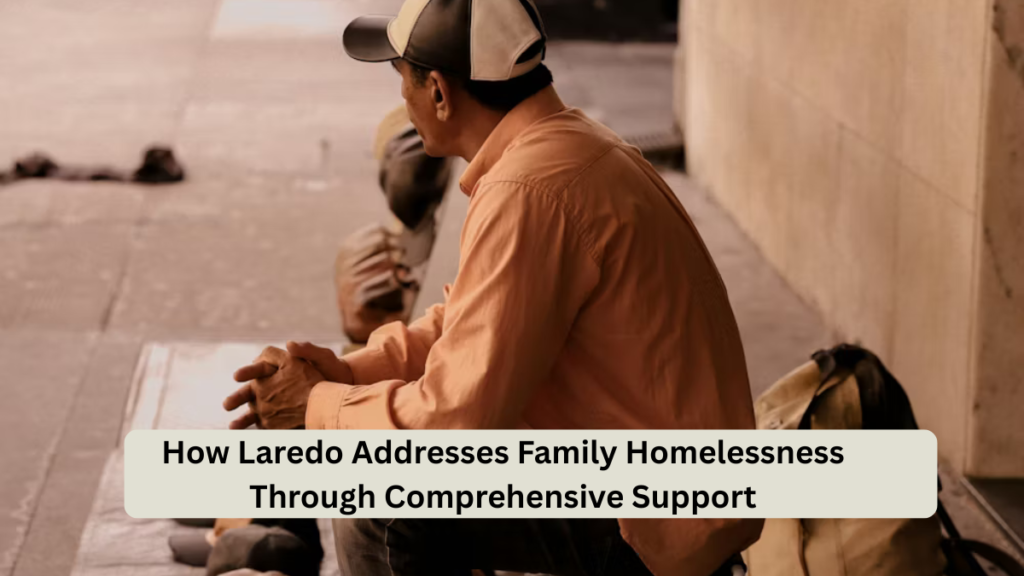
Homelessness in Laredo reflects broader national trends but carries local nuances. Many individuals experiencing homelessness face barriers like unemployment, limited access to affordable housing, substance use disorders, and mental health challenges. For some, family crises, domestic violence, or immigration-related issues contribute to their situation. The city’s location near the U.S.-Mexico border adds layers of complexity, as transient populations and migrant communities often intersect with local social service needs. These overlapping factors highlight why coordinated community action is critical.
Faith-based organizations have historically been on the frontline, responding to immediate needs with compassion and practical support. Their initiatives range from daily meals and emergency shelter to healthcare services and counseling. Community groups, including nonprofits, advocacy organizations, and volunteer networks, often complement these efforts by addressing systemic challenges such as housing placement, employment assistance, and long-term rehabilitation. Together, they form a safety net that can adapt to shifting needs and crises.
The Role of Faith-Based Organizations
Faith-based groups play a central role in Laredo’s approach to homelessness. Churches, mosques, and other religious institutions often have long-standing ties to local communities, making them uniquely positioned to provide both practical aid and emotional support. Beyond offering shelter, many faith organizations run food pantries, clothing drives, and emergency financial assistance programs.
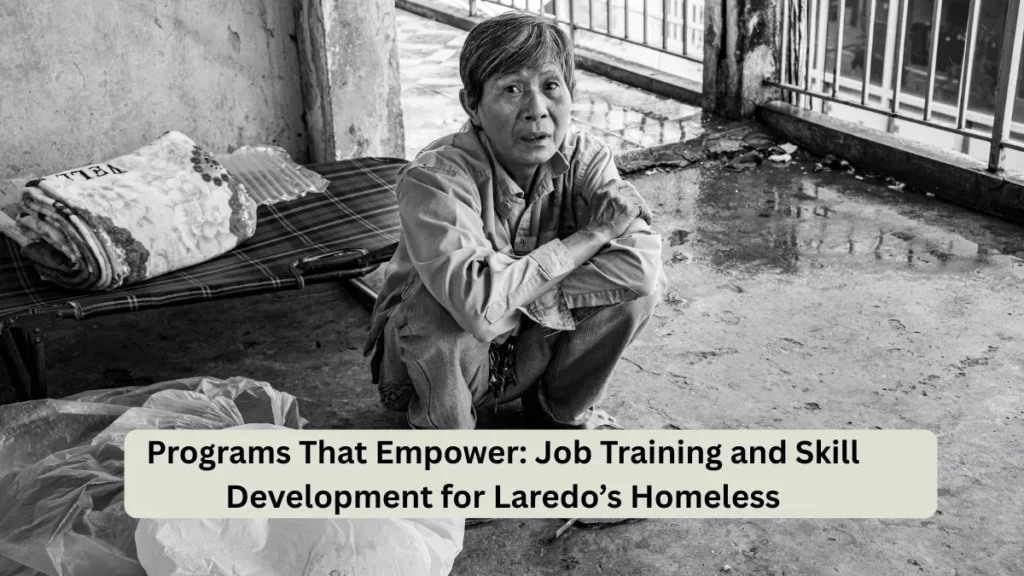
Importantly, faith-based efforts extend beyond material support. Many of these groups provide counseling, mentorship, and spiritual guidance, fostering resilience among homeless individuals. Programs may include addiction recovery groups, vocational training, and life skills workshops, addressing the root causes of homelessness. By leveraging their networks of volunteers and donors, these organizations can mobilize resources quickly and efficiently, filling gaps that government programs may not reach immediately.
 Women Experiencing Homelessness in Laredo: Challenges and Support Systems
Community Groups: Expanding Reach and Resources
Community groups in Laredo serve as vital partners in the fight against homelessness. These nonprofits and civic organizations often focus on areas such as housing placement, healthcare access, legal assistance, and advocacy. Their role is to address systemic issues and create sustainable solutions. For example, local nonprofits may operate transitional housing programs that provide temporary stability while helping residents find permanent accommodation. Others might partner with local businesses to offer job training or placement opportunities.
Collaboration between faith-based organizations and community groups allows for a more holistic approach. Faith-based groups may identify individuals in immediate need, while community organizations coordinate long-term solutions. Joint initiatives, such as coordinated shelter programs or outreach campaigns, maximize efficiency and minimize duplication of efforts. This cooperation ensures that resources reach the people who need them most, whether they require a meal today or stable housing tomorrow.
Innovative Programs and Collaborative Efforts
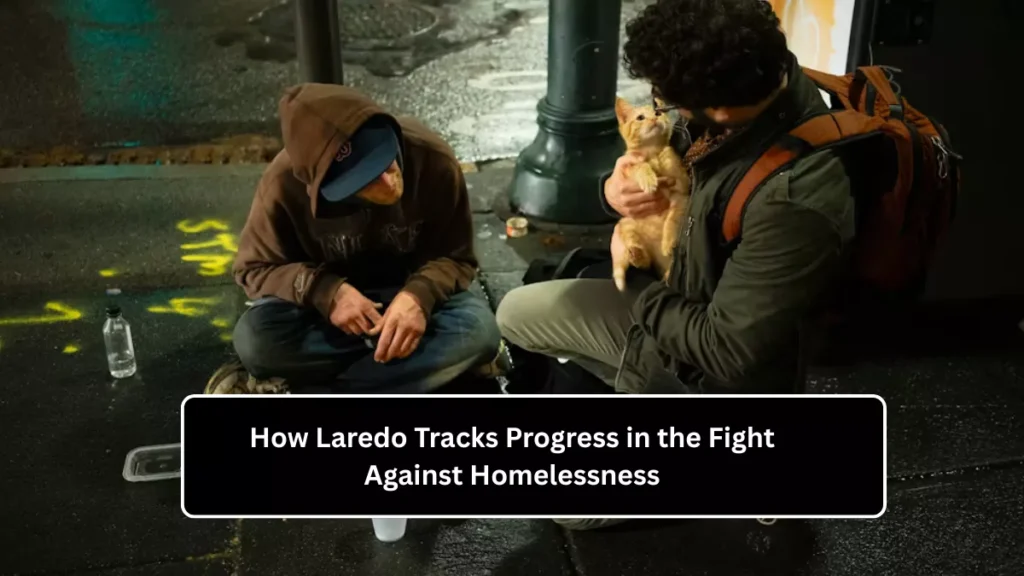
Laredo has seen several innovative programs emerge from these partnerships. One example is the creation of mobile outreach teams, staffed by volunteers from both religious organizations and community nonprofits. These teams travel to locations where homeless individuals congregate, providing food, hygiene supplies, healthcare screenings, and referrals to shelters or support programs. This proactive approach reduces barriers for individuals who might be reluctant or unable to access traditional services.
Another effective strategy is the development of transitional housing programs supported jointly by faith-based and community groups. By pooling resources, these initiatives can provide temporary housing, counseling, and employment assistance under one roof. Residents receive structured support while building the skills and stability necessary for independent living. Such programs exemplify how collaboration can create scalable, sustainable solutions that go beyond emergency relief.
 Housing First: Laredo’s Strategy to Provide Stability for the Homeless
Education and awareness campaigns are also a critical component. Community groups often lead initiatives to inform the public about homelessness, dispelling myths and encouraging volunteerism. Faith-based organizations contribute by mobilizing their congregations to engage in service projects, fundraising, and advocacy. This dual approach strengthens community involvement and fosters a culture of empathy and responsibility.
Challenges in Coordination
While the collaboration between faith-based and community groups is impactful, it is not without challenges. Limited funding, volunteer burnout, and bureaucratic obstacles can hinder program implementation. Additionally, coordinating services across multiple organizations requires effective communication and management, which can be difficult in resource-constrained environments. Differences in organizational priorities or approaches can sometimes create friction.
Despite these challenges, many organizations have developed strategies to overcome them. Regular coordination meetings, shared databases for service referrals, and clearly defined roles help streamline operations. Grant partnerships and joint fundraising campaigns allow groups to pool resources, reducing duplication and expanding the reach of services. The willingness to adapt and learn from one another strengthens the overall impact on Laredo’s homeless population.
How Residents Can Get Involved
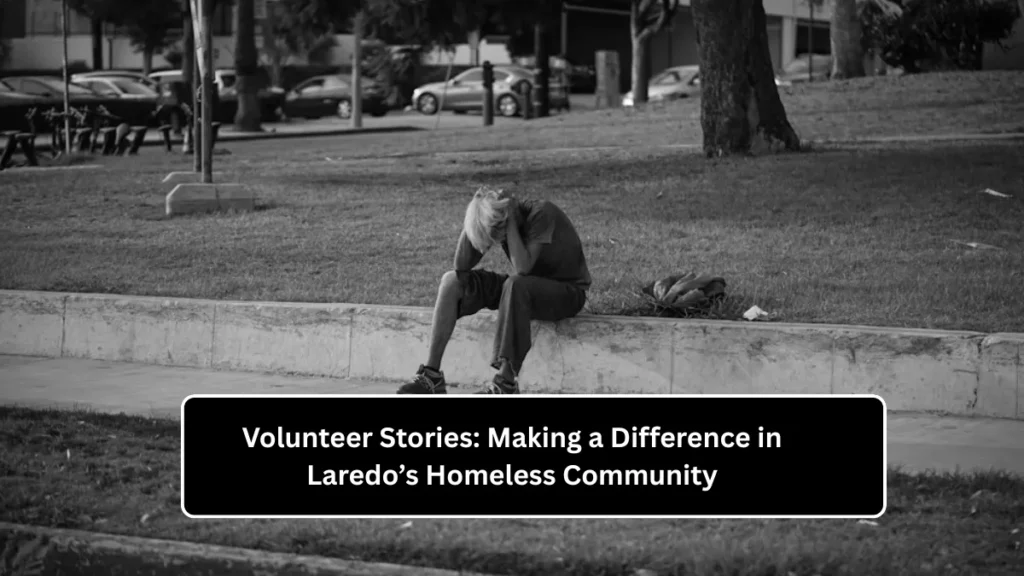
Community involvement is essential for sustaining these efforts. Residents can contribute in multiple ways beyond financial donations. Volunteering time at shelters, participating in outreach programs, or assisting with educational campaigns are practical ways to make a difference. Local businesses can support initiatives by providing employment opportunities or sponsoring community programs. Faith-based organizations also encourage congregations to engage directly, fostering personal connections with individuals experiencing homelessness.
Even small actions, such as organizing clothing drives, donating non-perishable food items, or offering professional services pro bono, can have a meaningful impact. The key is consistent engagement and collaboration with established groups that understand the needs and challenges of the homeless population.
Measuring Impact and Long-Term Goals
Assessing the effectiveness of programs is crucial for continuous improvement. Organizations track outcomes such as the number of meals served, shelter beds provided, individuals placed in permanent housing, or job placements achieved. Regular evaluations help identify areas for improvement, inform policy recommendations, and demonstrate accountability to donors and stakeholders.
Long-term goals for faith-based and community organizations in Laredo often include expanding affordable housing, increasing access to mental health and addiction services, and advocating for systemic changes at local and state levels. By combining immediate relief with strategic initiatives, these groups aim not only to address current needs but also to prevent future homelessness.
Real-Life Success Stories
Stories of transformation illustrate the power of these partnerships. Individuals who once faced uncertainty on the streets have found stability and independence through collaborative programs. For example, a resident who accessed transitional housing through a joint program might gain vocational training, secure employment, and eventually move into permanent housing. The ongoing support from faith-based mentors and community case managers ensures that progress is sustainable.
These successes demonstrate that homelessness is not an insurmountable challenge. With coordinated efforts, compassion, and community engagement, individuals can rebuild their lives, contributing positively to society and inspiring others to engage in meaningful action.
Conclusion
Laredo’s approach to homelessness shows that collaboration between faith-based and community organizations can create a comprehensive support system. By addressing immediate needs while working on long-term solutions, these groups provide more than just survival—they offer dignity, opportunity, and hope. The lessons from Laredo highlight the importance of coordinated efforts, sustained engagement, and the belief that every individual deserves a chance to thrive. Residents, local businesses, and volunteers all play a crucial role in ensuring these programs succeed, proving that communities united in purpose can drive meaningful change.
Through understanding, compassion, and action, Laredo continues to build a model of support that can inspire other cities facing similar challenges. Every meal served, every shelter bed offered, and every person helped reflects the strength of a community determined to care for its most vulnerable members.
FAQs
How do faith-based organizations support Laredo’s homeless?
They provide meals, shelter, counseling, spiritual guidance, and life skills programs to address immediate and long-term needs.
What role do community groups play in homelessness support?
They focus on housing, employment assistance, healthcare access, and systemic solutions for sustainable outcomes.
Can residents volunteer to help homeless programs in Laredo?
Yes, residents can volunteer at shelters, outreach programs, and donation drives or offer professional services pro bono.
What challenges do collaborative homelessness programs face?
Challenges include limited funding, volunteer burnout, coordination difficulties, and differences in organizational priorities.
How is the impact of homelessness programs measured?
Impact is measured by meals served, shelter beds filled, housing placements, job placements, and overall improvement in residents’ stability.