Homelessness affects communities across the United States, from big cities like Los Angeles to smaller towns in the Midwest. It’s not just a big-city problem—families, veterans, and working folks everywhere face the risk of losing stable housing.
The real challenge comes when people try to tackle it alone. One person, one group, or even one agency often can’t make a lasting difference. That’s where collaboration steps in as a key part of homelessness prevention.
 Volunteer Opportunities in Laredo: How You Can Support the Homeless Community
This article looks at why working together matters, what causes housing instability in the first place, and practical steps communities can take. Drawing from real efforts in places like Denver and Atlanta, we’ll focus on straightforward ways to build partnerships that help keep people housed.
Why Homelessness Persists as a Problem
Housing instability sneaks up on people in unexpected ways. A sudden job loss, a medical bill that piles up, or a family crisis can push someone toward the edge. In the US, over 650,000 people experience homelessness on any given night, according to federal counts, but that’s just the visible tip.
The problem hits hard in everyday settings. Think of a single parent in Phoenix juggling two jobs while rent keeps climbing. Or a senior in rural Ohio whose fixed income doesn’t cover rising property taxes. These aren’t rare stories—they happen in neighborhoods near you.
Without intervention, small issues snowball. Eviction notices lead to damaged credit, which blocks new rentals. Families end up in shelters or cars, and kids miss school. Communities pay the price too, with higher emergency service calls and strained resources.
 Laredo’s Fight Against Homelessness: Building a Stronger, Safer Community for All
What makes it worse is isolation. When schools, employers, churches, and neighbors don’t connect, warning signs get missed. A family might be known to a food bank but not a rental assistance program. That’s where the gap widens.
Reasons Why Solo Efforts Fall Short
People often start with good intentions. A church might hand out meals, or a business could donate blankets. These acts help in the moment, but they rarely address root causes like back rent or job placement.
One big reason is limited reach. Nonprofits in cities like Seattle have waiting lists for housing vouchers because they can’t connect with every at-risk household. Government programs exist, like HUD’s Continuum of Care, but they rely on local buy-in to work.
Resources get stretched thin without teamwork. A food pantry can’t offer legal aid for evictions. A school counselor might spot a family’s struggle but lack ties to workforce programs. Silos form, and opportunities slip away.
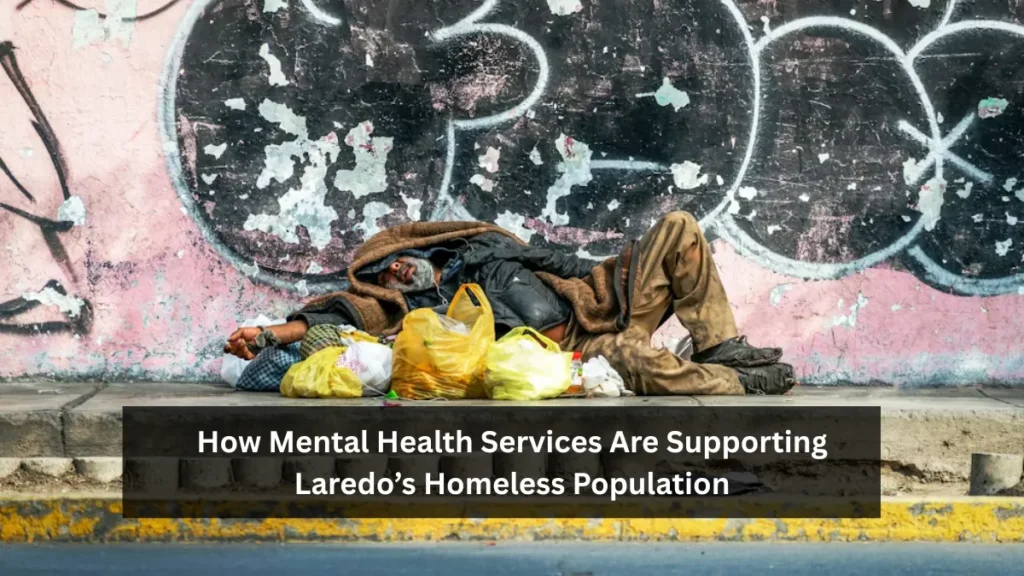
 How Mental Health Services Are Supporting Laredo’s Homeless Population
External factors play in too. Zoning laws limit affordable housing builds. Wages stagnate while rents rise—median rent hit $1,800 monthly in many metros by 2024. Economic shifts, like factory closures in the Rust Belt, displace workers overnight.
Personal barriers add up. Pride keeps people from asking for help. Stigma around housing aid makes folks hesitate. Without coordinated outreach, those voices stay silent.
History shows this pattern. In the 1980s, as factories shut down in places like Detroit, isolated aid efforts couldn’t stem the tide. Today, post-pandemic evictions spiked in Florida and Texas because fragmented responses left gaps.
The core issue? No shared vision. When groups don’t talk, they duplicate work or miss overlaps. A landlord might evict a tenant unaware of nearby rental aid. That’s inefficiency at its worst.
Building Collaboration: The Path Forward
Collaboration changes the game in homelessness prevention. It links services so one call can trigger multiple supports. Programs in Nashville prove it—by partnering schools with housing agencies, they cut family homelessness by 40% over five years.
Success starts with shared goals. Everyone agrees: keep people housed. From there, it’s about mapping who’s who in your community.
Step 1: Identify Key Players in Your Community
Start local. List groups already helping: homeless shelters, food banks, schools, libraries, faith groups, businesses, and city offices.
In Boise, Idaho, a simple mapping exercise brought together 20 organizations. They used free tools like shared spreadsheets to track services. You can do this at a town hall or online forum.
Talk to frontline workers. Teachers see kids arriving hungry. Librarians notice folks charging phones all day. Their insights reveal hidden needs.
Include unlikely allies. Grocery stores spot eviction patterns from returned checks. Employers know about job losses first.
Step 2: Set Up Regular Communication Channels
Meetings alone aren’t enough. Create ongoing links like shared email lists or apps for quick updates.
Denver’s “Housing Hotline” is a model. Agencies text about at-risk families, triggering rapid responses. No fancy tech needed—a group chat works.
Host quarterly roundtables. Rotate locations: church one month, city hall the next. Keep agendas short: 10 minutes per update, focus on referrals.
Train staff across groups. A quick workshop on eviction rights or utility aid builds a common language.
Step 3: Develop Joint Action Plans
Turn talk into plans. Pick one focus, like rapid rehousing for families.
In Atlanta, partners created a “prevention fund.” Churches donated, businesses matched, and nonprofits screened applicants. They prevented 500 evictions in year one.
Assign roles clearly. Schools identify risks, landlords offer grace periods, volunteers follow up.
Pilot small. Test with 10 families, track outcomes like “stayed housed 6 months,” then scale.
Use data simply. Shared logs show what’s working—a family kept housed via team effort.
Step 4: Secure and Share Resources Efficiently
Pool what you have. A business’s empty office becomes a job training space. Leftover grant funds cover bus passes.
Tap federal tools without red tape. Programs like Emergency Solutions Grants reward collaborations.
In Minneapolis, a “resource swap” let libraries borrow from food banks during crunch times. No one goes empty-handed.
Build sustainability. Recruit volunteers for admin tasks, freeing pros for high-need cases.
Step 5: Measure Progress and Adjust
Track basics: number of people helped, evictions avoided, families stabilized.
Celebrate wins publicly—a local paper story motivates. In San Antonio, partner spotlights boosted participation.
Review every six months. What fell short? Tweak and go.
Long-term, aim for policy nudges. Joint letters to city council for zoning tweaks.
Helpful Tips and Common Mistakes to Avoid
Teamwork thrives on trust. Start small to build it—share one success story early.
Listen actively. A shelter director might undervalue school input, but kids’ stability prevents repeat visits.
Common mistake: Overplanning without action. Skip endless meetings; act on the first idea.
Tip: Use neutral spaces. Libraries host without favoritism.
Mistake: Ignoring cultural differences. Tailor outreach—Spanish materials in diverse areas like Miami.
Tip: Involve those with lived experience. Former at-risk folks advise authentically.
Mistake: Burnout from uneven loads. Rotate leadership.
Tip: Document everything. Simple forms prevent “he said, she said.”
Budget tip: Seek pro bono help from local lawyers for workshops.
Stay flexible. A hurricane in Houston shifts priorities—adapt fast.
FAQ’s
What makes collaboration different from just donating money?
Donations help short-term, but collaboration connects donors to specific needs, like matching funds to a family’s rent gap. It creates lasting systems, not one-offs.
How do small towns start without big budgets?
Begin with free assets: church basements for meetings, volunteers for outreach. Examples from rural Vermont show phone trees preventing evictions effectively.
Can businesses really help without losing money?
Yes—many offer paid leave for employees volunteering or flex hours for training. In Portland, Oregon, firms gained loyal workers through stable communities.
How soon can we see results from partnering?
Quick wins in weeks, like averting an eviction. Fuller impact takes months, as in Pittsburgh’s program stabilizing 200 households yearly.