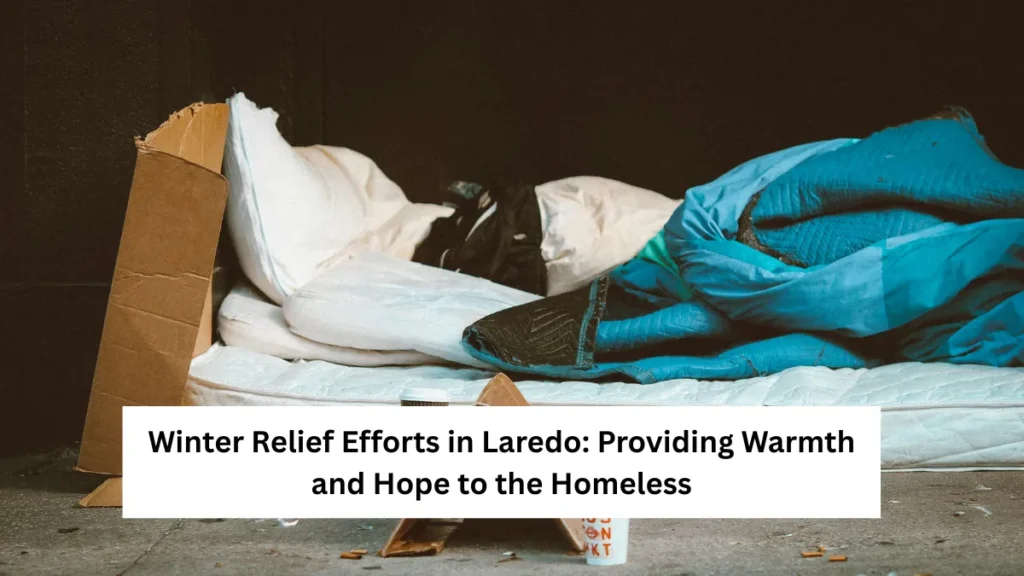
In cities across America, homelessness continues to be one of the most persistent and complex social challenges. Yet, in the border city of Laredo, Texas, this issue carries a unique weight. Economic hardship, limited affordable housing, and gaps in access to healthcare and mental health services have created a cycle that is difficult to escape. But Laredo’s story is not one of despair—it is one of resilience and collaboration. The city, together with nonprofit organizations, community advocates, and local leaders, is working toward breaking this cycle once and for all.
Understanding homelessness in Laredo means recognizing the real people behind the statistics—individuals striving for stability, families looking for a safe place to sleep, and youth trying to build a future despite adversity. This article explores how Laredo is confronting homelessness head-on, what strategies are proving effective, and how lasting change can be achieved through a coordinated community effort.
 How Local Programs Are Changing the Lives of Laredo’s Homeless
Understanding the Root Causes of Homelessness
To effectively address homelessness, it is essential to understand what drives it. In Laredo, the causes often intersect and compound. The most visible factor is the lack of affordable housing. Rapidly rising rental costs, combined with stagnant wages, have made it difficult for many families to maintain stable housing. For individuals already living paycheck to paycheck, one unexpected medical bill or job loss can lead to eviction and, ultimately, homelessness.
Beyond economic pressures, mental health challenges and substance abuse issues contribute significantly to homelessness in the area. Limited access to mental health care, particularly in underserved border regions, leaves many individuals untreated. Without consistent support, these individuals often cycle between temporary shelters, hospitals, and the streets.
Family instability is another major driver. Domestic violence, divorce, and generational poverty can push individuals into homelessness. For some, childhood trauma and lack of educational opportunities create barriers to self-sufficiency that persist into adulthood. Recognizing these factors allows policymakers and social service organizations to design programs that address both immediate needs and long-term solutions.
The Scale of Homelessness in Laredo
While Laredo does not face the same level of homelessness as larger metropolitan areas, the issue is deeply rooted and often underreported. Many residents experiencing homelessness in Laredo are not visible on the streets. They may be living temporarily with friends or relatives, staying in cars, or moving between short-term accommodations. This form of “hidden homelessness” makes it challenging to track accurate numbers and allocate resources effectively.
 Laredo’s Fight Against Homelessness: Building a Stronger, Safer Community for All
Local organizations, including the Laredo Homeless Coalition, conduct annual point-in-time counts to estimate the homeless population. These counts help determine the level of federal and state funding available for housing and support services. While numbers fluctuate, they reveal a consistent need for more affordable housing units, supportive services, and employment programs that can lead individuals toward independence.
The Role of Community Organizations
At the center of Laredo’s efforts to end homelessness is the Laredo Homeless Coalition—a partnership of local shelters, nonprofit organizations, faith-based groups, and government agencies. This coalition plays a crucial role in coordinating resources, avoiding duplication of efforts, and ensuring that assistance reaches those who need it most.
Shelters such as Bethany House and Casa La Esperanza provide immediate relief by offering food, temporary housing, and access to hygiene facilities. However, the real transformation occurs when individuals are connected to long-term support programs. These include job training, addiction recovery, mental health counseling, and financial literacy classes. By focusing on empowerment rather than short-term aid, these organizations aim to equip individuals with the tools necessary to rebuild their lives.
Moreover, outreach programs work directly with people on the streets, helping them navigate available services. Caseworkers often become a lifeline, guiding individuals through the complex process of securing identification documents, applying for benefits, and finding stable employment. The personal connection built through consistent outreach fosters trust, which is essential for long-term recovery.
 Emergency Shelters and Services in Laredo: What You Need to Know
Housing First: A Proven Strategy
One of the most effective models gaining traction in Laredo is the Housing First approach. This strategy prioritizes providing permanent housing as the initial step, followed by supportive services tailored to the individual’s needs. The philosophy is simple—people are more likely to overcome mental health challenges, find employment, and recover from addiction when they have a stable place to live.
Unlike traditional models that require individuals to meet certain conditions before receiving housing, Housing First operates on the belief that housing is a human right and a foundation for recovery. Across the United States, communities that have implemented this model have seen significant reductions in chronic homelessness. Laredo is beginning to see similar results as local organizations partner with housing developers and city officials to expand affordable housing options.
However, implementing Housing First in Laredo requires sustained funding and collaboration between multiple sectors. Affordable housing construction must be paired with ongoing case management and health services. Without this comprehensive support network, individuals risk falling back into homelessness. The success of the program depends on viewing housing not as the end goal but as the beginning of stability.
The Economic and Social Benefits of Ending Homelessness
Addressing homelessness is not only a moral responsibility—it also makes economic sense. Studies have consistently shown that investing in housing and support services costs less than allowing homelessness to persist. Individuals who remain homeless often require emergency medical care, law enforcement intervention, and temporary shelter services, all of which place a financial strain on public systems.
In Laredo, programs that provide housing and employment assistance have demonstrated measurable returns. Formerly homeless individuals who secure stable housing are more likely to find steady employment, contribute to the local economy, and rely less on public assistance. Moreover, communities benefit socially as well. When people are safely housed, public spaces become cleaner, local businesses thrive, and overall community morale improves.
Mental Health, Addiction, and Recovery Support
A lasting solution to homelessness in Laredo must address the mental health and substance use crises that often accompany it. For many individuals, homelessness is both a cause and consequence of untreated mental illness. Depression, anxiety, and post-traumatic stress disorder are common among those who experience long-term homelessness.
Access to mental health care remains limited in border regions, and stigma often prevents individuals from seeking help. Local clinics and outreach programs are working to close this gap by offering mobile counseling services and connecting individuals to psychiatric care. Peer support programs, where those who have experienced homelessness themselves mentor others, have also proven highly effective in encouraging treatment adherence and emotional recovery.
Addiction recovery is another critical area of focus. Many homeless individuals struggle with substance abuse, often as a coping mechanism for trauma. Laredo’s recovery centers are integrating harm reduction strategies—offering safe, supportive environments rather than punitive measures. Combining recovery programs with stable housing and employment opportunities creates a pathway toward long-term independence.
Employment and Skill Development Initiatives
While housing provides stability, employment offers sustainability. Laredo’s workforce development programs are stepping up to bridge the gap between homelessness and meaningful employment. Job training programs help individuals learn new skills, earn certifications, and re-enter the workforce with confidence.
Partnerships between local businesses and nonprofits have been instrumental in creating job placements for individuals transitioning out of homelessness. Employers who participate often report that these workers bring a strong sense of gratitude and commitment to their roles. For many, employment is more than a paycheck—it represents dignity, belonging, and a chance to rebuild their identity.
How the Community Can Make a Difference
Breaking the cycle of homelessness requires a collective effort. Every resident, business, and institution in Laredo has a role to play. Volunteering time at shelters, donating essential items, or contributing financially to local nonprofits can make an immediate difference. Beyond direct support, community members can advocate for policies that prioritize affordable housing, mental health funding, and social services.
Education is another powerful tool. Dispelling myths about homelessness helps build empathy and reduce stigma. Many people experiencing homelessness are working individuals, parents, or veterans—ordinary citizens who have fallen on hard times. By shifting public perception from judgment to compassion, Laredo can foster a culture of inclusion that supports recovery and reintegration.
Looking Ahead: Building a Sustainable Future
The path toward ending homelessness in Laredo is long, but progress is visible. Continued investment in affordable housing, mental health care, and employment opportunities will be key to sustaining momentum. City leaders, nonprofits, and residents are beginning to see that solving homelessness is not just about providing shelter—it is about restoring human dignity and ensuring equal access to opportunity.
If Laredo can maintain its commitment to collaboration and innovation, it can serve as a model for other mid-sized cities facing similar challenges. The lesson is clear: homelessness is not inevitable—it is preventable. With compassion, strategy, and determination, lasting solutions are within reach.
Conclusion
Breaking the cycle of homelessness in Laredo is not simply about addressing poverty; it is about creating a community where everyone has the opportunity to thrive. The city’s ongoing initiatives in housing, healthcare, and employment demonstrate that progress is possible when efforts are coordinated and focused on empowerment.
While challenges remain, the foundation for long-term change has been laid. The road ahead requires perseverance, but with continued support and innovative thinking, Laredo is paving the way toward a future free from homelessness.
FAQs
What are the main causes of homelessness in Laredo?
Homelessness in Laredo often results from job loss, lack of affordable housing, mental health issues, and family instability.
How does the Laredo Homeless Coalition help people in need?
It connects homeless individuals with housing, counseling, food, healthcare, and job training programs across the city.
What is the Housing First approach in Laredo?
Housing First provides immediate permanent housing before requiring treatment or employment, improving long-term recovery outcomes.
How can community members help reduce homelessness?
Residents can volunteer, donate, support housing programs, and advocate for better local social and health services.
Why is addressing homelessness economically beneficial?
Investing in housing and support services reduces costly emergency care, law enforcement, and shelter expenditures.