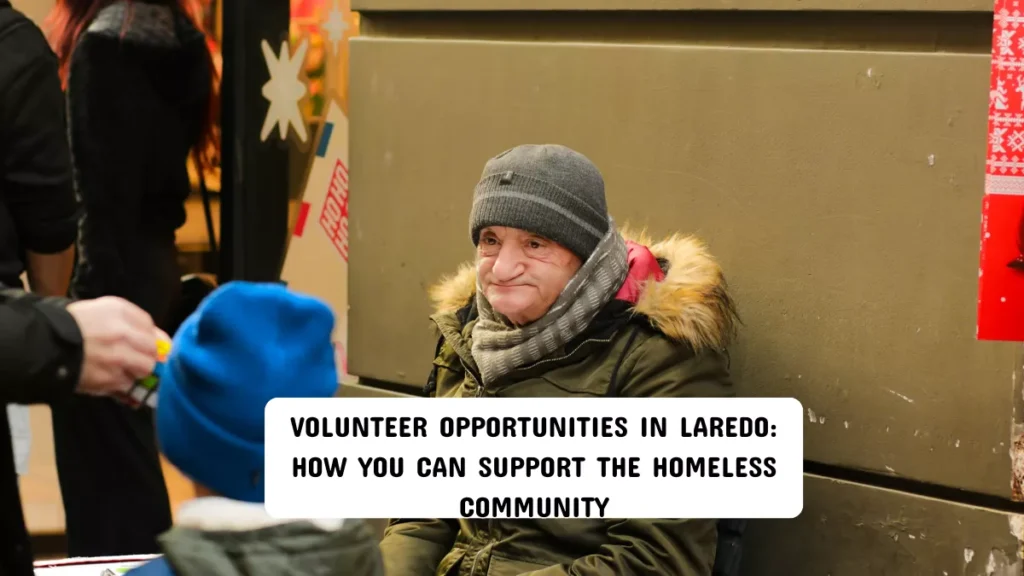
Every day in cities across the United States, people facing homelessness need more than a handout—they need a reliable web of support to get back on their feet. But too often, these efforts fall short, leaving folks isolated when they need help the most. A successful homeless support network changes that by connecting resources in a way that actually works for real people.
This guide breaks down what makes those networks effective. Drawing from community programs I’ve observed in places like Chicago and Atlanta, we’ll look at the common roadblocks and practical steps to build something stronger. Whether you’re a neighbor, student volunteer, or local business owner, understanding this can help you contribute meaningfully.
 Homelessness in America: Causes, Impact, and Solutions
Why Homeless Support Often Falls Short
Homelessness affects over 650,000 people on any given night in the U.S., according to recent counts from the Department of Housing and Urban Development. Support networks aim to help, but many struggle to make a lasting difference.
One big issue is fragmentation. Services like shelters, food banks, and job training exist, but they’re often siloed. A person might get a meal at one spot and medical checkup elsewhere, with no one tracking their overall progress.
Funding shortages play a role too. Local nonprofits rely on donations and grants that can dry up quickly, leading to inconsistent service. In smaller towns, like those in rural Ohio, resources are even scarcer, forcing people to travel hours for basics.
Personal barriers add up. Trust issues arise when helpers turn over frequently, or when programs demand paperwork that feels overwhelming. Without steady relationships, it’s hard for anyone to move forward.
 Partnering for Change: How Businesses and Volunteers Support Laredo’s Homeless Coalition
These gaps aren’t anyone’s fault—they stem from stretched resources and mismatched priorities. Recognizing them is the first step to building something better.
The Core Reasons Networks Fail and How to Spot Them
At its heart, a weak network lacks coordination. Imagine someone named Maria in Los Angeles: she visits a soup kitchen, then a clinic, but no one connects her to housing assistance. She cycles through the system without progress.
Communication breakdowns are common. Volunteers might not know what other groups offer, leading to duplicated efforts or missed opportunities. In Denver, I’ve seen food drives overlap while clothing needs go unmet.
Scalability hurts too. What works for 50 people in a suburb might collapse under the needs of 500 in a city like Houston. Without planning for growth, burnout hits staff and donors alike.
 Food Drives and Outreach Programs Bringing Hope to Laredo’s Homeless
Community buy-in matters. If locals view the network as an “outsider” program, participation drops. In Seattle, successful efforts involved neighborhood input from the start, building trust organically.
External factors, like seasonal weather or economic dips, expose weaknesses. During harsh winters in Minneapolis, unprepared networks scramble, showing the need for proactive planning.
Understanding these reasons helps shift focus from quick fixes to sustainable setups. Now, let’s get into actionable steps.
Step 1: Build a Strong Foundation with Clear Goals and Leadership
Start with basics that hold everything together. A successful network begins with defined goals, like “help 100 people secure stable housing yearly” rather than vague aims.
Assemble a core team of 5-10 committed leaders from diverse backgrounds—church members, business owners, educators. In Pittsburgh, a group of retired teachers and store managers formed the backbone of a thriving network.
Hold regular planning meetings, say monthly, to align on priorities. Use simple tools like shared online calendars to track events. This keeps everyone on the same page without fancy tech.
Leadership rotates to prevent fatigue. One person handles outreach, another logistics. Clear roles reduce confusion and build accountability.
Document your mission in a one-page guide. Share it widely to attract supporters who fit the vision. This foundation prevents drift and sets the tone for growth.
Assigning Roles Early
Divide tasks logically: one lead for volunteers, one for partnerships. In Atlanta’s model, a volunteer coordinator matched skills to needs, like pairing a chef with meal prep.
Train leaders on basic listening skills. People experiencing homelessness often share needs if they feel heard—focus on that over advice-giving.
Review goals quarterly. Adjust based on feedback, ensuring the network stays relevant.
Step 2: Foster Key Partnerships Across Sectors
No network succeeds alone. Partner with local businesses, faith groups, schools, and government offices for broader reach.
Approach partners with specifics: “Can your grocery store donate produce weekly?” In Chicago, a chain partnered with a shelter, providing steady meals and jobs.
Link with libraries for job search help—they’re neutral spots with computers and quiet spaces. Many in California host resume workshops tied to support networks.
Engage schools for student involvement. High school clubs in Florida pack hygiene kits, teaching empathy while aiding the cause.
Faith communities often provide venues. A Texas church opened its hall for weekly case management, connecting people to services seamlessly.
Formalize ties with simple agreements outlining contributions. Meet bi-monthly to share updates and troubleshoot.
Vetting and Maintaining Partners
Choose partners with track records. Visit their sites first. In New York, networks check references to ensure reliability.
Celebrate wins together, like joint thank-you events. This strengthens bonds and attracts more collaborators.
Handle conflicts calmly—focus on shared goals. If a partner flakes, have backups ready.
Step 3: Recruit, Train, and Retain Dedicated Volunteers
Volunteers are the heartbeat. Aim for a mix of ages and skills to cover needs from driving to mentoring.
Recruit via community boards, social media, and events. In Portland, flyers at coffee shops brought in steady helpers.
Offer short training sessions: 2-hour overviews on active listening, boundaries, and local resources. Role-play scenarios like “someone refuses help.”
Pair newbies with veterans for shadowing. This builds confidence fast.
Schedule shifts clearly—weekends for families, evenings for workers. Use apps for sign-ups to fill gaps easily.
Retain them with appreciation: handwritten notes or volunteer spotlights. Recognition goes far.
Matching Volunteers to Tasks
Assess skills upfront via quick forms. A mechanic fixes bikes; a teacher tutors.
Rotate roles to keep it fresh. Burnout drops when variety exists.
Provide ongoing support—monthly debriefs to vent and learn.
Step 4: Create Seamless Pathways for Those in Need
Make access straightforward. Set up a central intake point, like a weekly drop-in center.
Develop a resource map: list shelters, food pantries, clothing closets by zip code. Update it seasonally.
Use case management lightly—assign a point person per individual to track needs without overwhelming.
Offer wraparound basics: laundry access, phone charging, ID help through partnerships.
In San Francisco, a “navigation center” triages needs, directing to housing or jobs efficiently.
Track outcomes anonymously to improve—e.g., “20% found work this quarter.”
Personalizing Support
Listen first: ask “What do you need most today?” Tailor from there.
Build trust slowly—consistent faces help.
Connect to longer-term resources like job training centers.
Step 5: Secure Sustainable Funding and Resources
Funding fuels longevity. Mix sources: grants, drives, business sponsorships.
Host low-key fundraisers like community suppers. In Nashville, potlucks raised thousands yearly.
Apply for local grants from city councils or foundations—focus on measurable impacts.
In-kind donations stretch dollars: seek bulk toiletries from warehouses.
Budget transparently—share reports to build donor trust.
Diversify to weather downturns. A mix kept Boston’s network steady through tough years.
Budgeting Basics
Track expenses monthly in a simple spreadsheet. Allocate 60% to direct aid, 20% operations, 20% growth.
Thank donors personally—notes or updates on impacts.
Plan for emergencies, like a reserve fund for winter gear.
Helpful Tips and Common Mistakes to Avoid
Tip: Prioritize relationships over numbers. One deep connection beats 10 shallow ones.
Mistake: Overpromising leads to distrust. Stick to what you can deliver.
Tip: Use feedback loops—anonymous surveys at events refine services.
Mistake: Ignoring burnout. Mandate time off for volunteers.
Tip: Document stories ethically (with permission) to inspire support.
Mistake: Neglecting rural areas. Partner with towns for outreach vans.
Tip: Stay flexible—pivot for events like holidays when needs spike.
These keep networks resilient and effective.
FAQ
What should I do if someone refuses help from the network?
Respect their choice and offer a card with contact info. Follow up gently later—trust builds over time. Pressuring rarely works.
How do I start a small network in my town?
Gather 3-5 friends for a planning coffee. Map local needs, then approach one partner like a church. Grow from there.
Can businesses really make a difference without big budgets?
Yes—small acts like allowing van parking or skill-sharing add up. Consistency matters more than size.