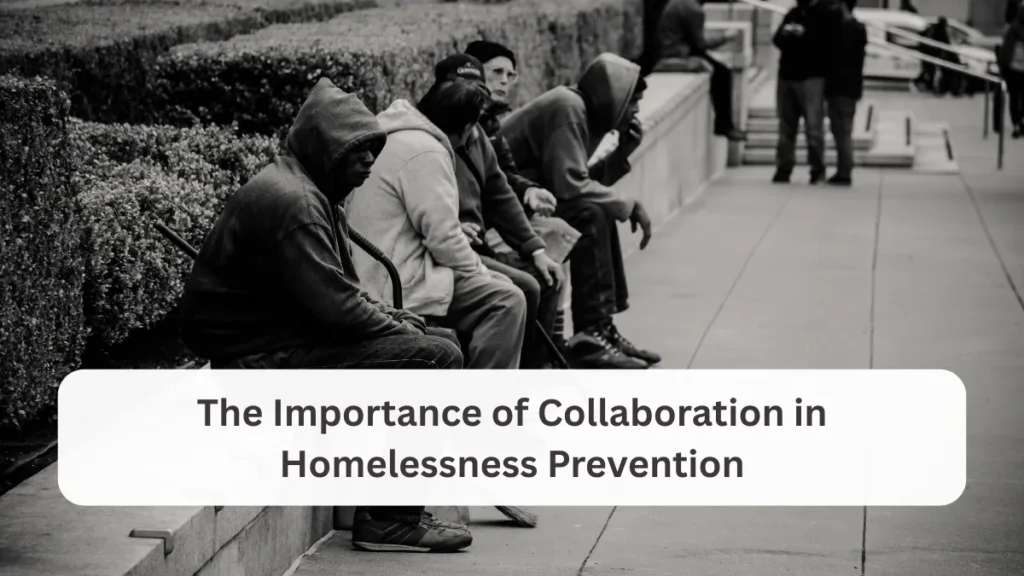
Homelessness touches lives across the United States, from bustling city streets to quiet suburban corners. I’ve walked those streets in places like Los Angeles and Detroit, talking with folks who ended up there through no fault of their own. It’s not just a big-city problem—it’s everywhere, affecting families, veterans, and youth.
This article breaks it down simply: what drives it, how it ripples through communities, and real steps we can take. Understanding this helps everyday people like you and me spot opportunities to make a difference, whether through volunteering or supporting local efforts.
 How Donations Help: The Real Impact of Giving to Laredo’s Homeless Community
The Growing Scope of Homelessness in the U.S.
Every night, tens of thousands sleep without a roof over their heads. In 2023, the U.S. Department of Housing and Urban Development counted over 650,000 people experiencing homelessness on a single night. That’s families in cars, individuals under bridges, and kids in motels.
Cities like New York and San Francisco grab headlines, but smaller towns in Ohio and Texas see it too. The numbers climbed during tough economic times, but they’ve stayed high. It’s a sign that basic needs—shelter, stability—aren’t meeting demand for many Americans.
What hits hardest is seeing working people one paycheck away from this reality. A single layoff or health setback can tip the scales.
Why Homelessness Happens: Key Causes
Homelessness rarely stems from one thing. It’s often a mix of personal struggles and bigger system gaps. Let’s look at the main reasons, drawn from what I’ve observed and reports from shelters nationwide.
 Understanding Homelessness in Laredo: Challenges, Causes, and Community Action
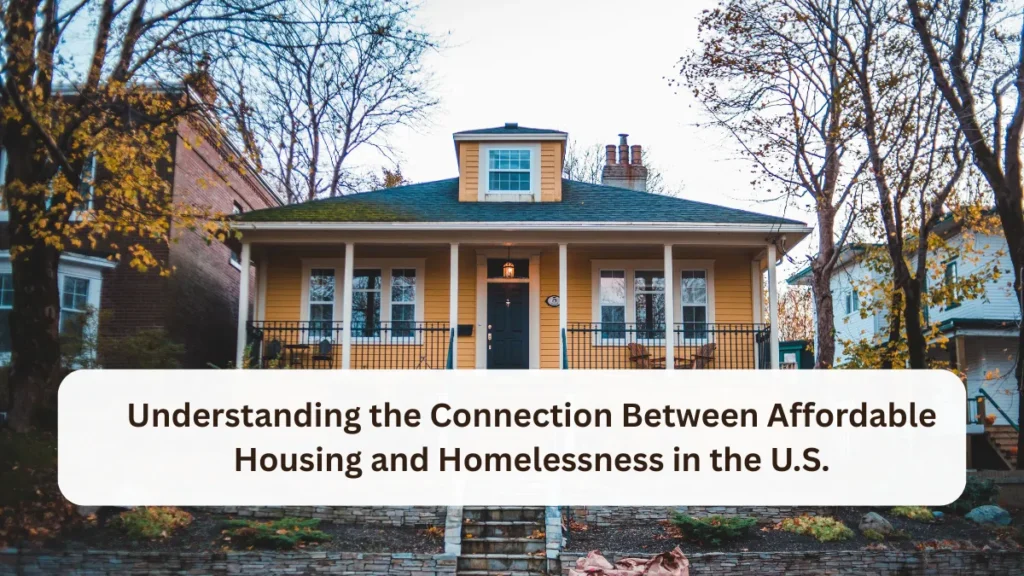
Lack of Affordable Housing
Rents have soared in most U.S. cities. In Seattle, a one-bedroom can cost $2,000 a month, while wages lag behind. Low-income families spend over half their income on housing, leaving little for food or emergencies.
When evictions rise—like during the post-pandemic recovery—people spill onto streets. In Atlanta, code enforcement pushes out tenants from rundown apartments, with nowhere affordable to go.
Economic Hardships and Job Loss
Jobs vanish in recessions or industry shifts. Factory workers in the Rust Belt, like those in Youngstown, Ohio, lost steady work when plants closed. Without savings, they can’t cover deposits for new places.
Gig economy roles offer flexibility but no benefits. One injury, and income dries up. I’ve met delivery drivers in Chicago who couch-surfed after bike accidents sidelined them.
 Laredo Homeless Coalition: Key Initiatives and How to Get Involved
Health Challenges and Mental Health Needs
Chronic illness or mental health issues play a big role. Without insurance or support, hospital stays lead to bills that force moves. In rural Kentucky, folks with untreated conditions end up homeless after exhausting family help.
Addiction recovery is tough without stable housing. Programs exist, but waitlists are long.
Family Breakdowns and Domestic Issues
Divorce or abuse drives many out. Women fleeing partners in Phoenix often land in shelters with kids. Youth aging out of foster care—about 20,000 yearly—face this too, with no safety net.
Systemic Barriers for Vulnerable Groups
Veterans return with PTSD, struggling to readjust. In Houston, VA programs help some, but not all. Native Americans and LGBTQ+ youth face higher rates due to discrimination in housing markets.
These causes overlap. A job loss plus illness can snowball quickly.
The Impact of Homelessness on Individuals and Society
Homelessness doesn’t just affect those without homes—it strains everyone.
Personal Toll on Those Affected
Daily survival trumps everything. Showers are scarce, meals inconsistent. Chronic stress leads to exhaustion. Kids miss school, falling behind peers.
Health declines without routine care. Infections spread in encampments. Life expectancy drops—some studies show 20-30 years shorter for the chronically homeless.
Mental strain builds isolation. Hope fades without stability.
Effects on Families and Children
Family homelessness disrupts everything. In Los Angeles, over 30,000 kids experienced it last year. They move often, hurting education and emotional growth.
Parents juggle day labor and childcare, cycles repeating across generations.
Broader Community and Economic Costs
Cities spend millions on emergency services. In Denver, police and ambulances respond to encampments daily, diverting funds from schools.
Businesses suffer—empty storefronts near visible homelessness in San Diego. Tourism dips, jobs vanish.
Public health risks rise with unsanitary conditions. Everyone pays through higher taxes and insurance.
Step-by-Step Solutions to Address Homelessness
Tackling this requires action at every level—personal, community, and policy. No single fix works, but combined efforts show results. Cities like Salt Lake City cut homelessness by 91% since 2005 using targeted strategies. Here’s how to build on that.
Step 1: Build More Affordable Housing Options
Start with supply. Local governments can zone for more low-cost units.
- Partner with developers for incentives like tax breaks for including affordable apartments.
- Convert motels into housing, as Houston did with 1,000+ units.
- Support tiny home villages—regulated communities with services, like in Austin.
Individuals: Advocate at town halls for zoning changes.
Step 2: Implement Housing First Approaches
This model prioritizes getting people housed, then addressing other needs. It works because stability enables progress.
- Screen quickly for vulnerabilities using tools like VI-SPDAT.
- Provide immediate leases with support staff—no sobriety required upfront.
- Track success: Utah housed 13,000+ this way.
Communities: Fund rapid rehousing programs through nonprofits.
Step 3: Expand Job Training and Income Support
Link housing to employment.
- Offer training in high-demand fields like construction or tech support.
- Use apprenticeships, as in Minneapolis programs for ex-inmates.
- Provide wage subsidies for first months on new jobs.
Volunteers: Mentor at job centers or donate professional clothes.
Step 4: Strengthen Health and Mental Health Services
Integrate care into housing.
- Street medicine teams deliver checkups where people are, like in Boston.
- Co-locate clinics in shelters for easy access.
- Train peers—recovered individuals—as counselors.
Step 5: Support Families and Prevent Evictions
Catch issues early.
- Legal aid for tenants facing eviction—Oregon expanded this, cutting filings 25%.
- Emergency rental assistance, modeled on pandemic relief.
- Foster care extensions to age 21 with housing stipends.
Step 6: Encourage Community Coordination
Form coalitions.
- Continuum of Care groups unite shelters, churches, businesses.
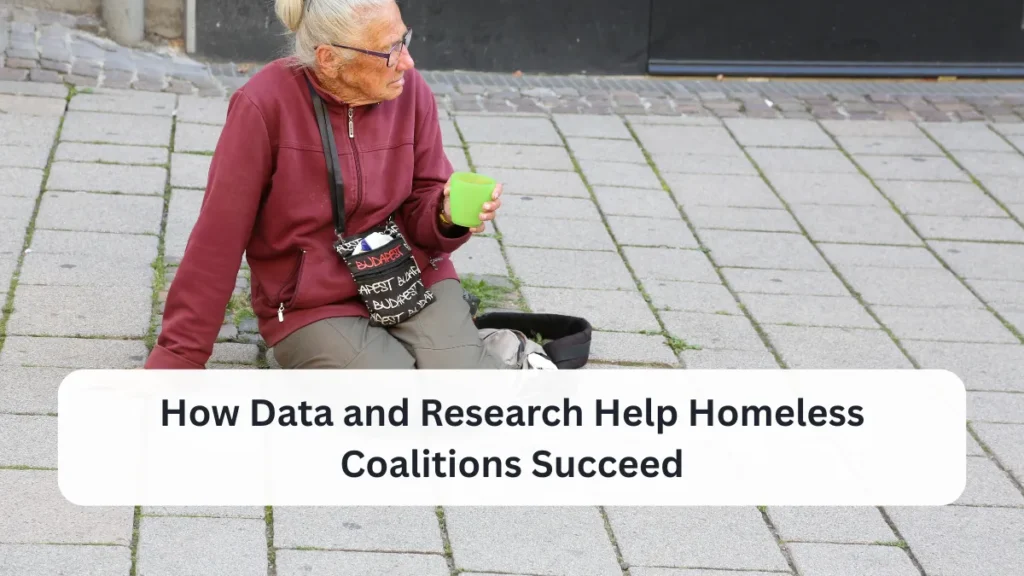
- Data-sharing tracks who needs what, avoiding duplicates.
- Annual point-in-time counts guide funding.
Helpful Tips and Common Mistakes to Avoid
Small actions add up. Here’s practical advice from years volunteering.
Tips for Getting Involved
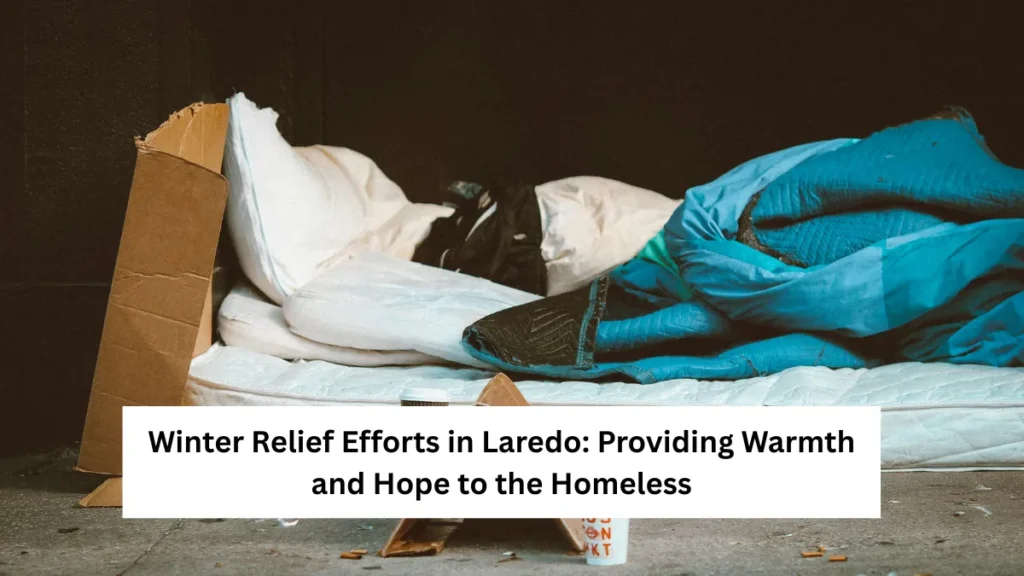
- Donate socks, toiletries, or blankets—essentials shelters need most.
- Volunteer consistently at soup kitchens; build relationships.
- Shop local businesses that hire from shelters.
- Educate friends—share facts without judgment.
Mistakes to Steer Clear Of
- Don’t give cash on streets; it may not help and enables risks. Direct to services instead.
- Avoid assumptions—many are employed but can’t afford rent.
- Skip judgmental labels; focus on humanity.
- Don’t ignore local resources—call 211 for verified help lines.
Track your impact: Many cities have apps showing volunteer needs.
FAQ’s
How does Trahum verify legitimate needs?
Through referrals and quick home checks—no bureaucracy, just human judgment honed over years.
Can out-of-state families get help?
Primarily local chapters in 10 states, but they refer nationwide partners seamlessly.
What’s the average aid amount per family?
$400-800 initially, tapering as stability grows—tailored, not fixed.
Do they help during trials or only sentences?
Both; pre-trial bonds or house arrest strain families too.