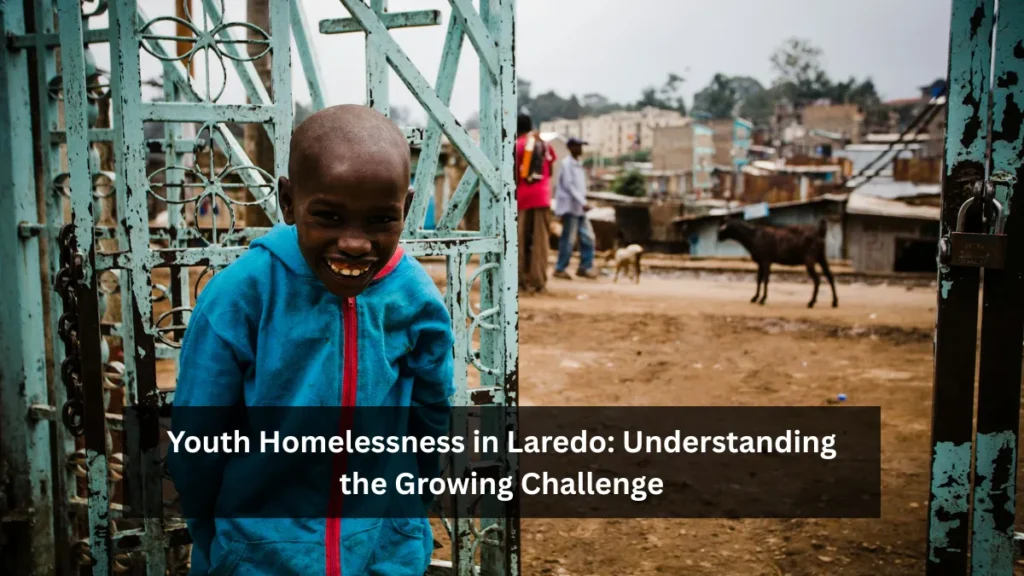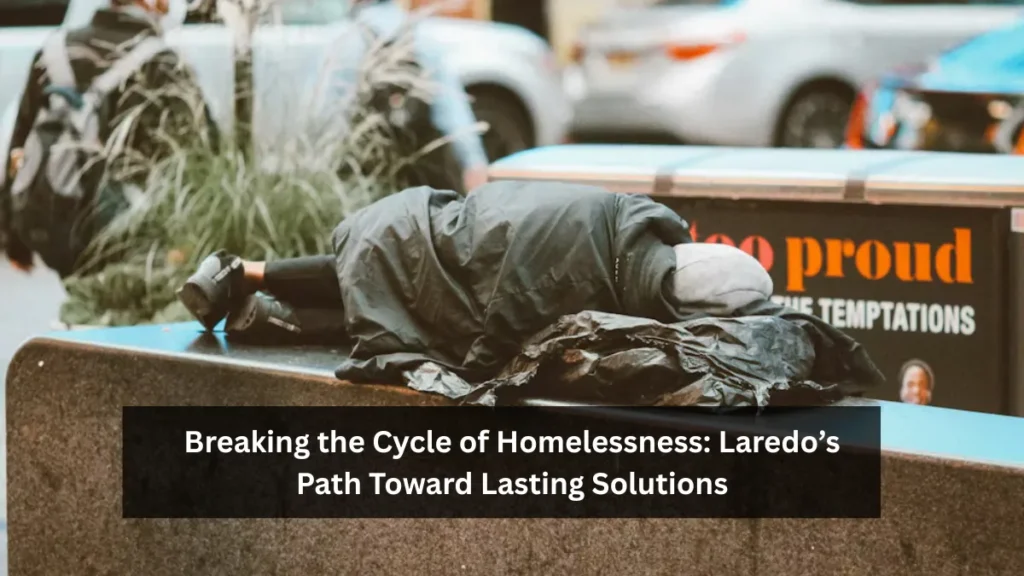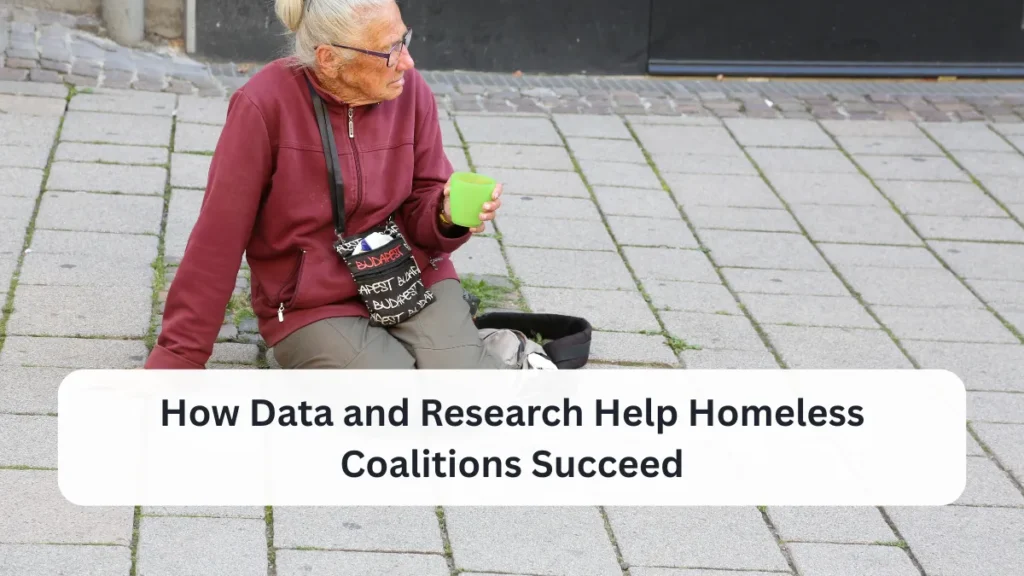
Homelessness is a complex challenge that affects communities across the United States, including Laredo, Texas. For many residents, the sight of people living on the streets or in temporary shelters is a daily reality. Homelessness is not just about the lack of a home—it impacts health, safety, education, and overall quality of life.
Addressing it requires thoughtful, community-centered solutions that consider the underlying reasons behind the problem. Laredo’s approach combines outreach, supportive services, and practical programs designed to help individuals regain stability while fostering community care.
 How Donations Help: The Real Impact of Giving to Laredo’s Homeless Community
Why Homelessness Happens
Understanding homelessness is crucial before considering solutions. The reasons behind homelessness are varied and interconnected. Job loss, lack of affordable housing, mental health challenges, and family instability are common contributing factors. In Laredo, rising housing costs combined with limited income opportunities make it difficult for some residents to maintain stable housing.
Substance abuse or untreated mental health conditions can also worsen the situation, creating barriers to employment and consistent shelter. Moreover, systemic issues such as gaps in social services or transportation difficulties can prevent people from accessing available resources. Recognizing these causes helps communities develop solutions that address the root problems, not just the visible symptoms.
Laredo’s Step-by-Step Approach to Helping the Homeless
Laredo’s response to homelessness focuses on practical, actionable programs that support individuals while strengthening community involvement. Here is a detailed look at their approach:
1. Community Outreach and Engagement
Effective solutions start with connecting with those in need. Laredo has invested in outreach programs that send trained volunteers and social workers into neighborhoods where homelessness is prevalent. These outreach teams conduct assessments, provide immediate necessities such as food, clothing, and blankets, and build trust with individuals who may be wary of formal institutions.
 Understanding Homelessness in Laredo: Challenges, Causes, and Community Action
Step-by-step approach:
- Identify key areas with high homelessness concentrations.
- Deploy trained outreach teams to engage respectfully.
- Offer essentials such as meals, hygiene kits, and basic medical check-ups.
- Assess individual needs to connect them with long-term resources.
This strategy not only provides immediate relief but also opens doors for further support. Consistent engagement increases the likelihood that individuals will accept assistance programs when offered.
2. Transitional Housing Programs
A stable place to live is often the first step toward regaining independence. Laredo offers transitional housing programs that provide temporary, safe shelter for individuals while they work on employment, healthcare, or education. These programs bridge the gap between emergency shelters and permanent housing solutions.
Step-by-step approach:
 How Local Programs Are Changing the Lives of Laredo’s Homeless
- Assess eligibility for transitional housing based on need and available space.
- Provide orientation sessions on rules, expectations, and available resources.
- Assign case managers to create personalized plans for housing, employment, and education.
- Monitor progress and offer continuous support until permanent housing is secured.
Transitional housing ensures that individuals have a foundation for stability and access to the services they need without being pushed back onto the streets.
3. Employment and Skills Training
Financial independence is essential for preventing long-term homelessness. Laredo emphasizes skills development through job training programs, resume workshops, and partnerships with local employers. Programs are designed to meet the real-world demands of the local economy.
Step-by-step approach:
- Conduct skills assessments for interested participants.
- Enroll individuals in training programs for in-demand jobs, such as construction, healthcare support, or retail.
- Assist with resume writing, interview practice, and job placement.
- Offer ongoing mentorship and check-ins to ensure employment retention.
By equipping individuals with marketable skills, Laredo increases their chances of finding and keeping stable work, which directly supports permanent housing solutions.
4. Mental Health and Substance Support
Mental health challenges and substance use disorders are common factors in homelessness. Laredo’s community programs provide access to counseling, therapy, and support groups. These services help individuals address underlying issues that may prevent them from maintaining housing or employment.
Step-by-step approach:
- Screen for mental health or substance use concerns during initial outreach.
- Connect individuals with licensed therapists, counselors, or support groups.
- Coordinate care with local healthcare providers for ongoing treatment.
- Integrate follow-ups and community check-ins to monitor progress and adapt care plans.
Addressing mental health needs creates a stronger foundation for independence and helps reduce the likelihood of repeated homelessness.
5. Affordable Housing Initiatives
Long-term solutions require permanent housing options. Laredo has partnered with nonprofit organizations and local government agencies to expand affordable housing availability. These initiatives include subsidies, low-cost housing units, and housing-first models that prioritize getting individuals into homes before addressing other challenges.
Step-by-step approach:
- Identify suitable locations for affordable housing developments.
- Offer rental assistance or vouchers to individuals transitioning from shelters.
- Collaborate with landlords to ensure units remain accessible and safe.
- Provide ongoing case management to prevent eviction and support tenants in maintaining housing.
Affordable housing reduces the risk of returning to homelessness and supports individuals in achieving lasting stability.
6. Community Support and Volunteering
A strong community plays a key role in sustaining these programs. Laredo encourages residents to volunteer at shelters, participate in donation drives, or mentor individuals transitioning out of homelessness. Community engagement strengthens local networks and provides social support, which is often a critical missing factor for people experiencing homelessness.
Step-by-step approach:
- Create volunteer opportunities with clear roles and responsibilities.
- Organize community events focused on awareness and education about homelessness.
- Encourage local businesses to provide resources or job opportunities.
- Recognize and celebrate community contributions to foster continued involvement.
Active community participation ensures that solutions are supported and reinforced over time.
Helpful Tips and Common Mistakes to Avoid
- Tip: Build trust slowly when working with individuals experiencing homelessness; respect and patience are essential.
- Tip: Coordinate with multiple agencies to avoid duplication of services and ensure comprehensive support.
- Tip: Maintain privacy and confidentiality; sharing personal information without consent can harm trust.
- Common Mistake: Assuming all homeless individuals need the same support; programs should be tailored to individual circumstances.
- Common Mistake: Focusing solely on short-term relief, such as food or shelter, without addressing long-term stability needs.
FAQ
Q1: How can someone volunteer to help homeless in Laredo?
A1: Individuals can contact local shelters, nonprofit organizations, or community centers to offer time, donations, or mentorship. Volunteering opportunities range from meal distribution to skills training programs.
Q2: Are there specific programs for families experiencing homelessness in Laredo?
A2: Yes. Laredo offers family-specific shelters and transitional housing programs designed to keep families together while providing access to education, childcare, and employment resources.
Q3: How does Laredo address homelessness among veterans?
A3: Specialized programs provide veterans with housing assistance, mental health counseling, and employment support, often in collaboration with national veteran-focused organizations.
Q4: Can individuals experiencing homelessness access healthcare through these programs?
A4: Yes. Outreach and transitional programs connect individuals to local clinics, free medical services, and mental health support to ensure essential care is accessible.
Q5: What role does the community play in preventing homelessness?
A5: Community involvement is critical. Residents, local businesses, and volunteers contribute through donations, mentorship, and supporting initiatives that promote long-term housing and employment stability.
Conclusion
Homelessness is a complex and multifaceted issue that requires thoughtful, coordinated solutions. Laredo’s approach demonstrates that effective strategies combine immediate relief with long-term support, addressing the root causes of homelessness while building pathways toward stability. Community engagement, transitional housing, skills training, mental health support, and affordable housing initiatives are all essential components of a comprehensive strategy.
By focusing on practical, humane, and community-centered solutions, Laredo not only helps individuals regain independence but also strengthens the overall well-being of the city. Addressing homelessness is not a quick fix—it is an ongoing commitment that requires collaboration, understanding, and sustained effort from both organizations and community members.