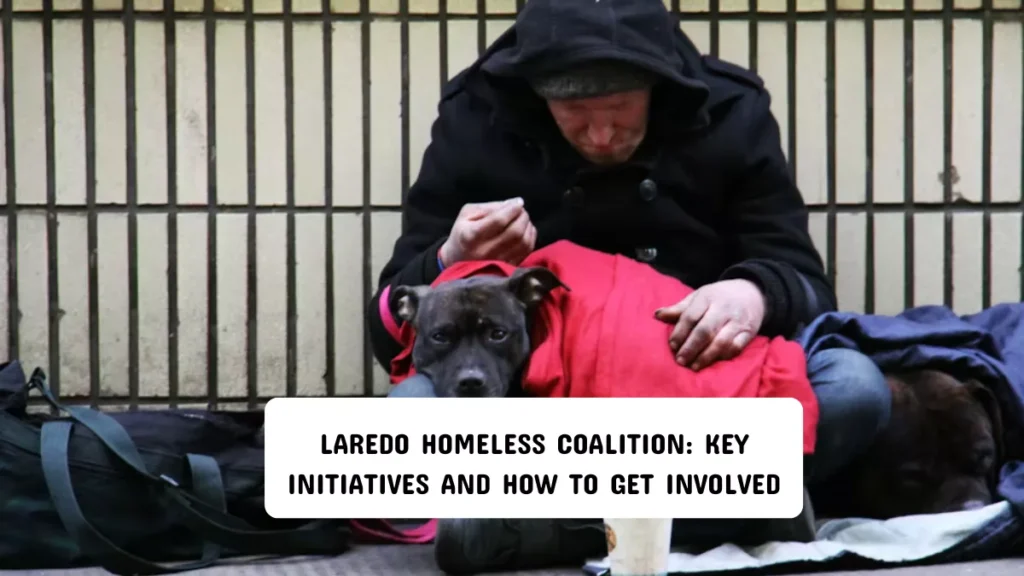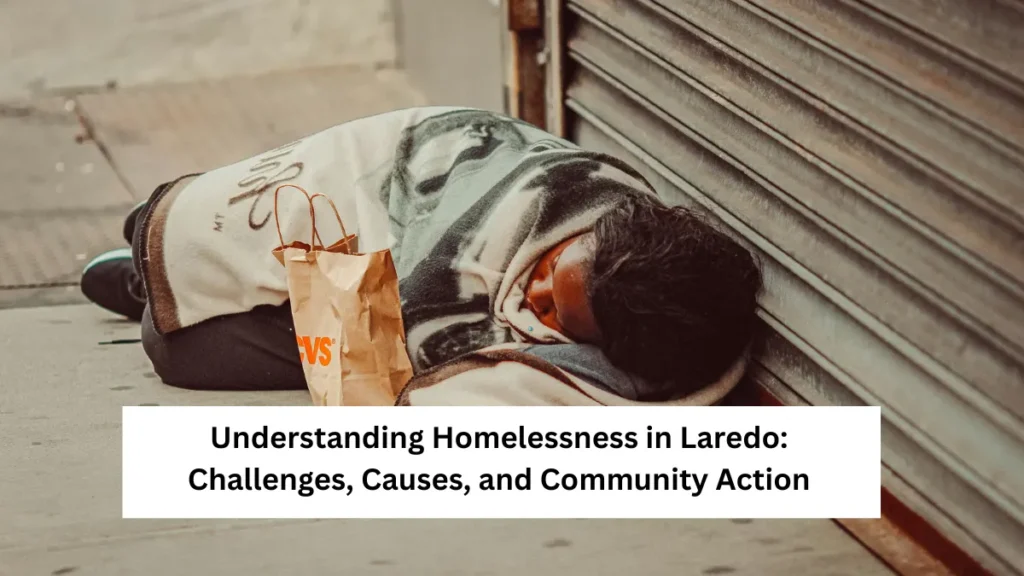
Homelessness is a visible challenge in many cities across the United States, including Laredo, Texas. Individuals living without stable housing often face a range of hardships, from lack of access to basic needs like food and shelter to difficulties securing employment. These challenges can make the process of rebuilding one’s life feel overwhelming. However, Laredo has developed initiatives and programs aimed at helping homeless individuals regain independence, rebuild confidence, and create a foundation for long-term stability.
Understanding the root causes of homelessness and the structured support available can help both community members and those affected navigate a path forward. In this article, we’ll explore why homelessness happens, the resources Laredo provides, step-by-step strategies for recovery, helpful tips, and common mistakes to avoid.
 How Data and Research Help Homeless Coalitions Succeed
Why Homelessness Happens
Homelessness is rarely caused by a single factor. Most individuals experience multiple challenges that intersect to make it difficult to maintain stable housing. In Laredo, common contributing factors include:
Economic Challenges
High living costs and limited affordable housing can make it difficult for low-income individuals to secure or maintain a home. Even people with steady employment can find themselves without a place to live if sudden expenses, such as medical bills or car repairs, strain their budget.
Personal Circumstances
Some individuals face personal setbacks, such as family conflicts, domestic violence, or mental health issues. These circumstances can lead to unstable living situations or force someone onto the streets temporarily or for extended periods.
Lack of Support Networks
Many homeless individuals lack strong family or community support systems. Without friends or relatives to lean on during difficult times, it becomes harder to find temporary shelter, assistance, or guidance.
 Youth Homelessness in Laredo: Understanding the Growing Challenge
Barriers to Employment
Even when willing to work, homeless individuals may face obstacles like limited access to transportation, professional attire, or technology for job applications. Employers may also hesitate to hire someone without a permanent address.
Recognizing these underlying reasons is crucial for understanding why Laredo’s programs focus on comprehensive support rather than simply providing temporary shelter.
Step-by-Step Solutions for Rebuilding Lives in Laredo
Laredo has developed a variety of resources and structured programs to help homeless individuals regain stability. The approach is holistic, addressing immediate needs while building pathways for long-term independence. Here’s a detailed guide to the process.
Step 1: Finding Safe Shelter
The first priority for anyone experiencing homelessness is a safe, secure place to stay. Laredo offers several options, including:
 Supporting Mental Health Through Homeless Advocacy Programs
- Emergency shelters providing short-term accommodation.
- Transitional housing programs offering longer stays with supportive services.
- Faith-based organizations and community centers that provide temporary shelter.
It’s important to connect with organizations that can offer both housing and basic necessities, such as food, hygiene facilities, and a stable environment.
Step 2: Accessing Food and Basic Needs
Once shelter is secured, the next step is ensuring regular access to food and personal care items. Laredo has food pantries, community kitchens, and outreach programs designed to support individuals and families experiencing homelessness.
Practical steps include:
- Visiting local food banks regularly to maintain a consistent food supply.
- Applying for community assistance programs for clothing, hygiene items, and transportation passes.
- Learning schedules and requirements for local kitchens or meal services to avoid gaps in access.
Meeting basic needs consistently reduces stress and allows individuals to focus on rebuilding other aspects of their lives.
Step 3: Connecting with Support Services
Recovery from homelessness often requires professional guidance and social support. In Laredo, social workers, counselors, and case managers work with individuals to create personalized plans. These plans may include:
- Mental health and substance use support.
- Career counseling and resume assistance.
- Financial literacy training.
Engaging with these services helps individuals develop skills, confidence, and resources necessary for long-term independence.
Step 4: Securing Employment and Income
Stable income is critical for exiting homelessness. Laredo’s programs focus on connecting individuals with employment opportunities through job training programs, workshops, and partnerships with local businesses.
Practical steps include:
- Attending job readiness workshops to improve interview skills and professional presentation.
- Enrolling in vocational training programs to learn high-demand skills.
- Utilizing local workforce centers for job placement assistance.
Even temporary or part-time employment can serve as a stepping stone to more stable work and permanent housing.
Step 5: Establishing Permanent Housing
Transitioning from shelter to permanent housing is often the most challenging step. Laredo offers assistance programs that help individuals secure affordable rental options or subsidized housing.
Steps to take include:
- Applying for housing assistance programs through local authorities or nonprofits.
- Keeping detailed documentation of income, identification, and prior rental history.
- Working with case managers to identify housing that fits financial and personal needs.
Having a permanent address not only provides security but also improves access to employment, banking, and social services.
Step 6: Building Community Connections
Rebuilding a life after homelessness requires social support. Laredo encourages individuals to participate in community programs, support groups, and volunteer opportunities.
Benefits include:
- Creating friendships and support networks that provide emotional stability.
- Gaining mentorship and guidance from people who have successfully navigated similar challenges.
- Accessing ongoing resources through community engagement.
Strong social connections increase resilience and help prevent future episodes of homelessness.
Helpful Tips for Success
- Stay Organized: Keep all necessary documents, like identification, medical records, and employment history, in a safe and accessible place.
- Seek Guidance Early: Reaching out to case managers or social workers early can speed up access to critical resources.
- Set Small Goals: Achieving small milestones, such as securing temporary housing or completing a job training course, builds confidence.
- Maintain Routine: Regular schedules for meals, sleep, and appointments can improve mental and physical well-being.
- Prioritize Health: Even without medical advice, basic care like hydration, hygiene, and adequate rest supports overall stability.
Common Mistakes to Avoid
- Relying Solely on Emergency Shelter: Long-term planning is essential. Temporary shelter provides safety but doesn’t address future housing or income needs.
- Avoiding Support Services: Skipping counseling, employment programs, or social services slows progress and limits opportunities.
- Overlooking Documentation: Missing identification or records can delay access to housing, benefits, or employment.
- Ignoring Community Networks: Isolation increases stress and decreases chances of successfully transitioning out of homelessness.
- Rushing the Process: Rebuilding life is gradual. Trying to tackle too much at once can lead to burnout and setbacks.
FAQ
Q1: What types of housing programs are available in Laredo?
Laredo offers emergency shelters, transitional housing, and subsidized rental programs. Each program has specific eligibility requirements and provides varying levels of support.
Q2: How can homeless individuals access food regularly?
Local food banks, community kitchens, and outreach programs provide meals and groceries. Many organizations have weekly schedules and volunteer support to ensure consistent access.
Q3: Are there employment programs specifically for homeless individuals in Laredo?
Yes. Workforce centers, nonprofit organizations, and local government programs provide job training, resume workshops, and employment placement assistance tailored to individuals experiencing homelessness.
Q4: How do I get help if I’m new to Laredo and homeless?
Start by visiting community centers, shelters, or nonprofit organizations. Social workers and case managers can guide newcomers through the available resources and eligibility requirements.
Q5: Can mental health support be accessed while homeless?
Yes. Laredo has counselors and social services that offer mental health and substance use support. These services often coordinate with housing and employment programs to provide comprehensive assistance.
Conclusion
Homelessness in Laredo is a complex challenge, but the city’s coordinated programs show that meaningful support is available. By addressing immediate needs, providing access to housing, employment, and social services, and encouraging community engagement, individuals can rebuild their lives step by step. The process requires patience, persistence, and the willingness to engage with available resources.
By understanding the causes, following structured steps, and avoiding common pitfalls, homeless individuals in Laredo can gradually regain stability and independence. These efforts not only transform individual lives but strengthen the entire community, demonstrating the impact of coordinated, compassionate support.