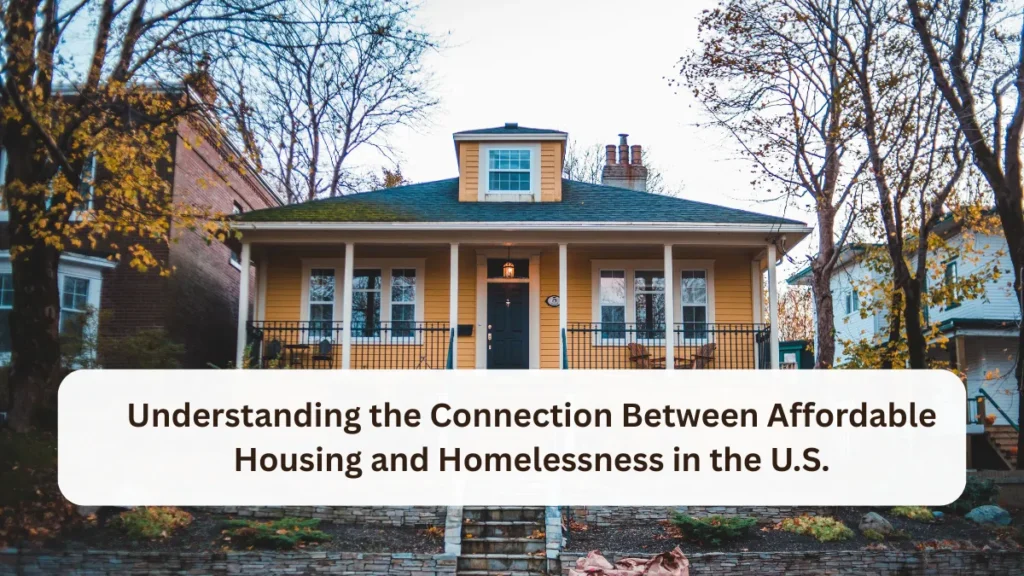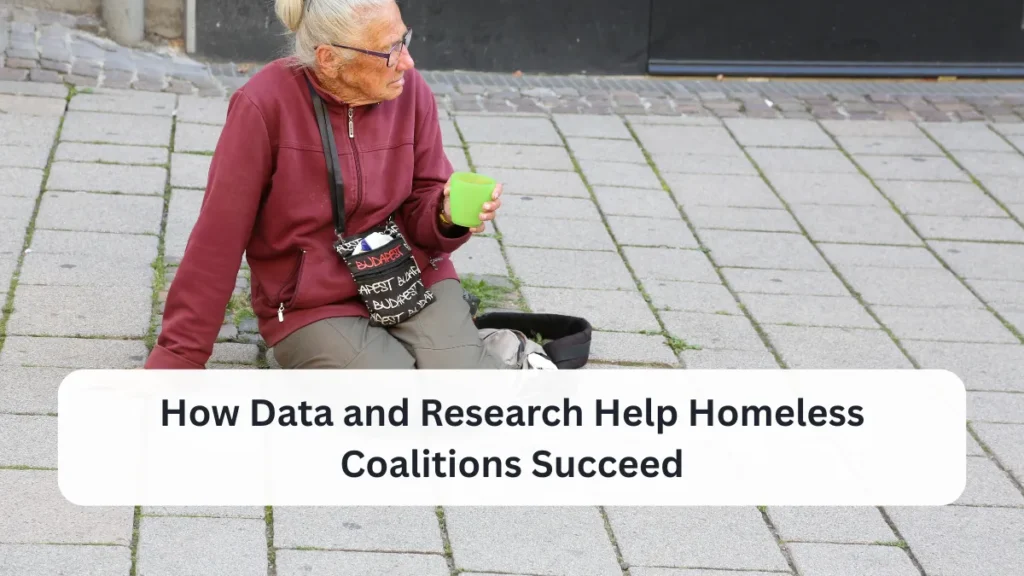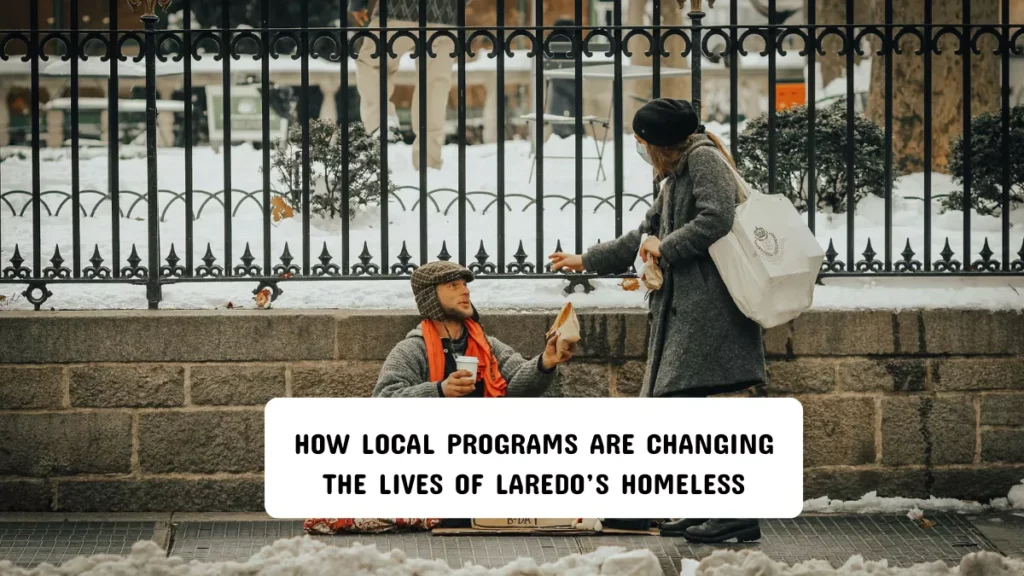
Homelessness in the United States affects millions, and for many, it comes with serious mental health struggles. I’ve seen it up close while volunteering at local shelters in my community. People facing homelessness often deal with anxiety, depression, or trauma, but everyday folks like you and me can make a real difference through advocacy programs.
These programs connect communities with those who need support, helping to ease mental health burdens without replacing professional care. This article walks you through why this issue persists and practical ways to get involved, drawing from real experiences across U.S. cities.
 How Mental Health Services Are Supporting Laredo’s Homeless Population
The Mental Health Challenges in Homeless Communities
Living without a stable home takes a heavy toll on mental well-being. In places like Los Angeles or Chicago, I’ve talked to individuals who describe constant stress from finding safe places to sleep or worrying about their next meal. This builds up, leading to isolation and hopelessness.
Studies from organizations like the National Alliance to End Homelessness show that up to 25% of people experiencing homelessness have severe mental health conditions. It’s not just about lacking a roof—it’s the daily grind that wears people down.
For students or working professionals reading this, picture trying to focus on classes or a job while everything feels unstable. Seniors might face it too, after years of independence suddenly slipping away. Recognizing these struggles is the first step to helping.
Why Mental Health Issues Persist Among the Homeless
Several everyday factors contribute to this problem. Economic pressures play a big role—job loss or rising rents in cities like New York or Seattle push people onto the streets, triggering anxiety and depression.
 From Streets to Stability: How Housing Programs Are Transforming Lives in Laredo
Trauma from past events, such as family breakdowns or accidents, often lingers without support. In my volunteer work in Denver, I met folks who’d been through tough losses and had nowhere to process it.
Lack of access to basic services worsens things. Public transportation issues or long waits at overwhelmed clinics mean mental health needs go unmet. Add in stigma, where people feel ashamed to speak up, and the cycle continues.
Social isolation is another key reason. Without community ties, small problems snowball. In rural areas like parts of Ohio, this hits even harder due to fewer resources. Understanding these roots helps us approach solutions thoughtfully.
How Advocacy Programs Address Mental Health Needs
Advocacy programs bridge the gap by focusing on community support. They don’t provide therapy but create environments where people feel seen and heard. Groups like those run by the National Coalition for the Homeless emphasize peer connections that reduce loneliness.
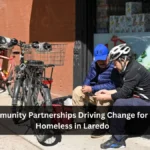 Community Partnerships Driving Change for the Homeless in Laredo
These initiatives often partner with local nonprofits to offer low-pressure activities, like group walks or art sessions, which lift spirits naturally. The goal is steady, practical help that builds resilience over time.
Participating shows those in need they’re not alone, which can be a turning point. From my time in advocacy, I’ve watched quiet conversations spark real change.
Step-by-Step Guide to Getting Involved in Local Advocacy
Starting with homeless advocacy doesn’t require special skills—just a willingness to show up. Here’s a straightforward path based on what works in U.S. communities.
Step 1: Research Programs in Your Area
Begin by looking up local options. Search for “homeless advocacy [your city]” on community websites or use directories from HUD (U.S. Department of Housing and Urban Development).
In Atlanta, for example, programs like the Metro Atlanta Task Force for the Homeless list volunteer spots. Spend 15-20 minutes noting 2-3 groups that focus on mental health support, like peer listening circles.
Contact them via email or phone to ask about needs. This step ensures you’re aligning with established efforts.
Step 2: Complete Basic Training
Most programs offer free orientation sessions, often 1-2 hours long. These cover listening skills and boundaries, helping you support mental health without overstepping.
In San Francisco, Central City SRO Collaborative runs these monthly. Attend one to learn how to spot distress signs, like withdrawal, and respond calmly—things like “How are you feeling today?” go a long way.
Training builds your confidence and keeps interactions safe for everyone.
Step 3: Volunteer Consistently
Commit to 2-4 hours weekly. Tasks might include handing out care kits with hygiene items or sitting with someone during a meal to chat.
At a Portland shelter, regulars like me helped organize “coffee hours” where people shared stories. Consistency matters—seeing familiar faces reduces anxiety for those involved.
Track your time in a simple notebook to stay motivated.
Step 4: Advocate for Broader Change
Once comfortable, speak up. Attend city council meetings on housing or write letters to local papers highlighting mental health needs in homeless programs.
In Minneapolis, volunteers joined campaigns for more funding, leading to expanded outreach. Share your experiences factually—no need for dramatic stories.
Step 5: Connect and Follow Up
Build networks by linking people to resources, like food banks or job centers. Follow up gently, like checking in via a program’s coordinator.
This step sustains progress. In my group, we used shared calendars to remind folks of events, fostering ongoing support.
Real-World Examples from U.S. Cities
Seeing programs in action inspires involvement. In Seattle, the Union Gospel Mission runs advocacy groups where volunteers facilitate art therapy sessions. Participants report feeling less overwhelmed after just a few weeks.
Boston’s Pine Street Inn pairs advocates with individuals for weekly check-ins, focusing on goal-setting like resume building. It’s simple but effective for mental clarity.
In smaller towns like those in Tennessee, church-based programs offer similar support, proving these efforts scale anywhere. These examples show everyday actions lead to tangible relief.
Helpful Tips for Effective Advocacy
- Listen more than you talk. Let people lead the conversation—it validates their experiences and eases mental strain.
- Respect privacy. Never push for personal details; share only general info if asked.
- Take care of yourself. Advocacy can be emotional, so debrief with program leaders or journal afterward.
Pair involvement with self-education, like reading HUD reports on homelessness trends.
Common Mistakes to Avoid
New volunteers sometimes overwhelm with questions, which can heighten anxiety. Instead, start with open-ended prompts.
Don’t promise outcomes, like “This will fix everything”—focus on presence. Avoid judgment; everyone’s path differs.
Skipping training leads to burnout. And remember, advocacy complements but doesn’t replace professional services—direct to hotlines if needed, like the National Homelessness Hotline at 1-800-621-4636.
Steer clear of unsolicited advice on life choices; your role is support, not direction.
FAQ’s
How can I start supporting mental health through homeless advocacy if I’m a busy professional?
Look for flexible evening or weekend slots at local shelters. Many programs, like those in Chicago, allow one-off shifts to fit schedules. Start small to build from there.
Are there advocacy programs for seniors experiencing homelessness?
Yes, groups like Little Brothers-Friends of the Dejected Elderly adapt for older adults, offering companionship focused on mental well-being. Check AARP resources for local listings.
What’s the difference between volunteering and advocacy?
Volunteering is hands-on help, like serving meals. Advocacy involves speaking up for policy changes or awareness, amplifying voices in your community.
Can students get involved in these programs?
Absolutely—many universities partner with initiatives, like UCLA’s work with LA’s homeless services. Campus clubs often coordinate group outings.
How do I know if a program is reliable?
Verify via HUD’s resource locator or Charity Navigator ratings. Established ones have clear volunteer guidelines and community backing.