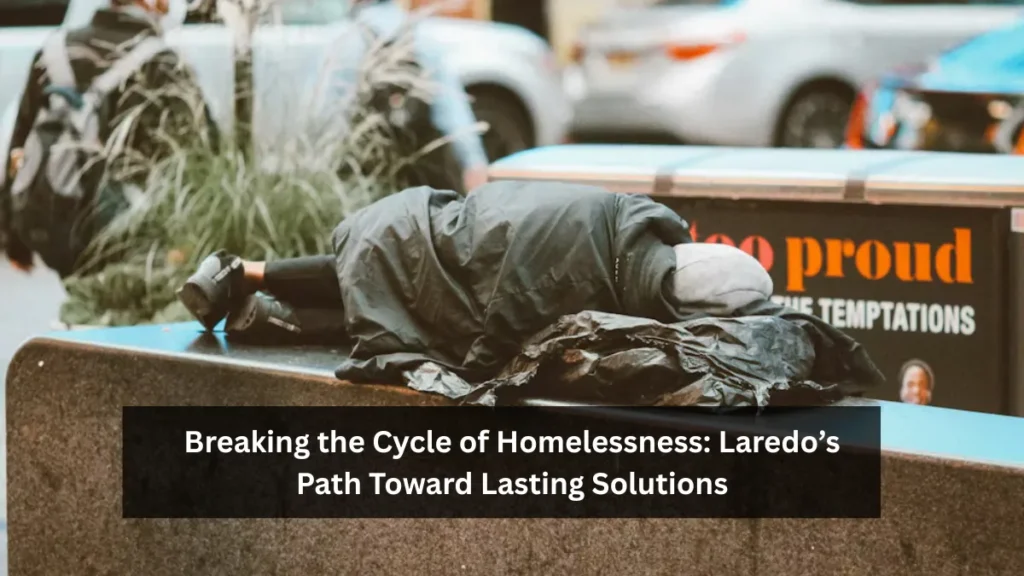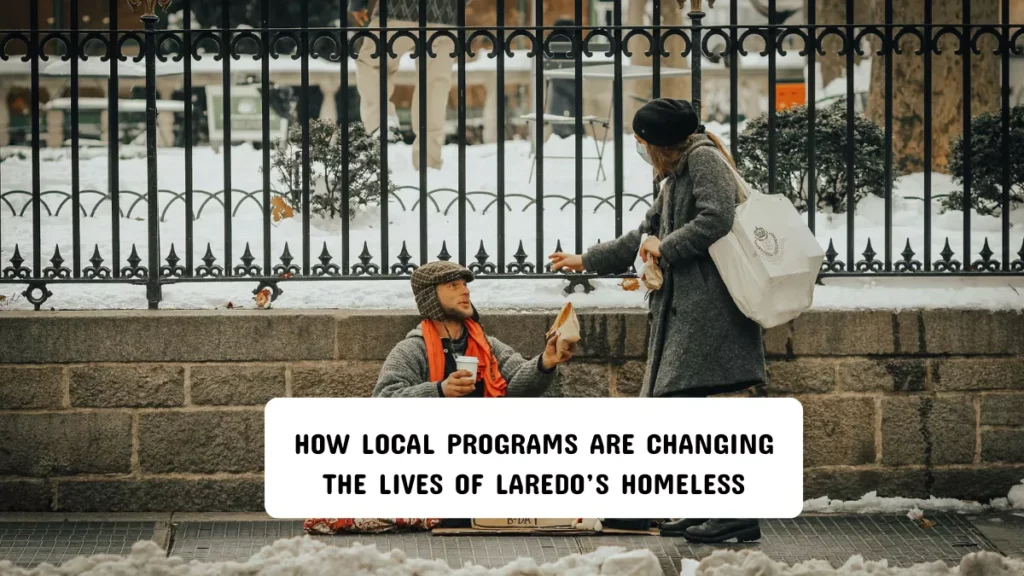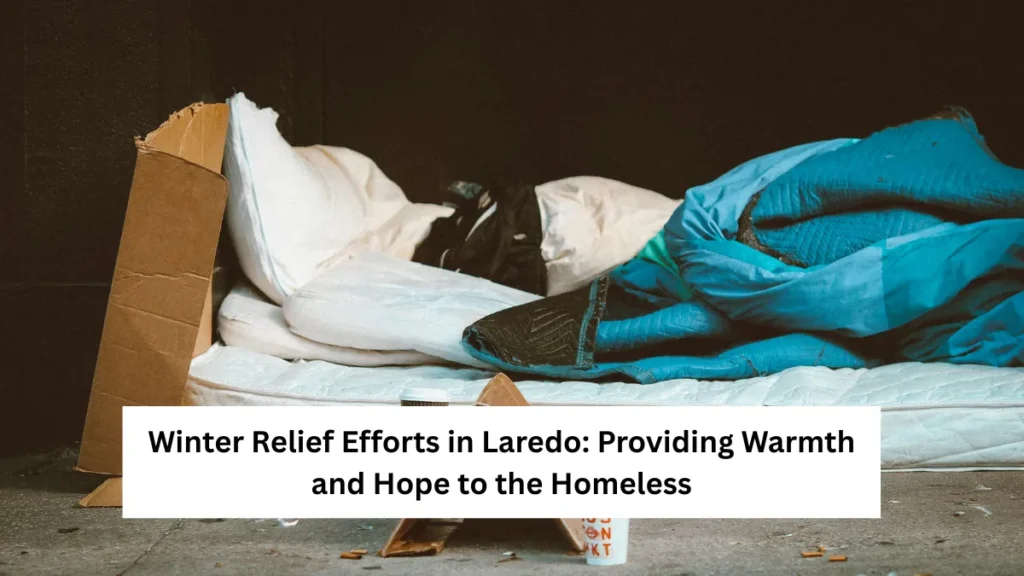
In the border city of Laredo, Texas, homelessness is not always visible, but it is deeply felt. Behind the highways, shelters, and makeshift camps lies a crisis shaped by poverty, mental illness, and limited access to care. Mental health challenges are often both a cause and a consequence of homelessness. Many individuals living without stable housing face untreated conditions such as depression, anxiety, post-traumatic stress disorder, and substance use disorders. For a city where community values are strong and resources are limited, mental health services have become a vital lifeline.
Understanding how mental health programs and organizations are supporting Laredo’s homeless population is crucial. It reveals not only the struggles of those most vulnerable but also the resilience of a city trying to provide hope, healing, and dignity. Readers will gain insight into the scope of the problem, the specific services addressing it, and how local partnerships are transforming lives through compassion and evidence-based care.
 Breaking the Cycle of Homelessness: Laredo’s Path Toward Lasting Solutions
The Connection Between Homelessness and Mental Health
Mental illness and homelessness are tightly intertwined. Many people in Laredo who experience homelessness also struggle with mental health conditions that go untreated due to stigma, financial barriers, or lack of medical access. Without proper treatment, symptoms can worsen, leading to job loss, strained relationships, and ultimately, housing instability. Once a person becomes homeless, the stress of living on the streets can intensify mental health problems, creating a devastating cycle that is difficult to break.
Studies across the United States indicate that nearly one-third of homeless individuals live with serious mental health disorders. In border communities like Laredo, additional challenges such as language barriers, cultural stigma, and limited clinical infrastructure make the situation even more complex. For many, the journey toward recovery begins only when mental health services reach out to meet them where they are—literally and emotionally.
Expanding Mental Health Access for the Unhoused
Over the last few years, Laredo’s local organizations, clinics, and advocacy groups have recognized the urgent need to integrate mental health care into homeless outreach efforts. The traditional model of requiring individuals to seek help at a hospital or clinic no longer works for those without transportation, identification, or trust in institutions. Instead, outreach teams and mobile mental health units now bring services directly to encampments, shelters, and transitional housing facilities.
Community health workers in Laredo often conduct street-based interventions, offering immediate psychological first aid, referrals, and follow-up care. These programs prioritize consistency and relationship-building because many unhoused individuals have experienced years of neglect or trauma. Case managers focus on developing trust, helping clients navigate complex systems, and linking them with housing, medication management, and therapy options.
 From Streets to Stability: How Housing Programs Are Transforming Lives in Laredo
The inclusion of bilingual services is another critical component. In Laredo’s largely Hispanic population, language can be a barrier to seeking mental health care. Culturally sensitive approaches—such as using Spanish-speaking clinicians and understanding family dynamics—help reduce fear and misunderstanding. These efforts ensure that no one feels alienated or ashamed for seeking help.
The Role of Local Shelters and Coalitions
Organizations like local homeless coalitions and faith-based shelters in Laredo play a central role in bridging the gap between homelessness and mental health recovery. These centers do more than provide a bed or a meal; they serve as entry points for individuals to receive psychological assessments, counseling, and medication assistance.
Shelter staff are often trained in trauma-informed care, an approach that recognizes how past abuse, violence, or neglect affects present behavior. Instead of punishing outbursts or withdrawal, they respond with empathy and stability, helping residents feel safe enough to engage with treatment. Group therapy sessions, peer-support circles, and life-skills workshops within shelters offer a sense of belonging and structure.
Coalitions between nonprofits, hospitals, and public agencies have strengthened these efforts. By pooling resources and expertise, they can provide more coordinated care. For instance, some partnerships allow for on-site mental health evaluations or emergency referrals to psychiatric units, ensuring no one falls through the cracks. These collaborations demonstrate that addressing homelessness requires more than temporary shelter—it demands long-term commitment to mental wellness.
 Laredo Homeless Coalition: Key Initiatives and How to Get Involved
Addressing Substance Use and Dual Diagnosis
Many homeless individuals in Laredo struggle with co-occurring disorders, meaning they face both mental illness and substance use issues. These conditions often feed off each other, making recovery more challenging. Mental health services that recognize and treat both simultaneously are proving most effective.
Outreach programs now emphasize harm reduction rather than punishment. Instead of requiring complete abstinence as a precondition for support, clinicians work with clients to reduce harm and build stability step by step. This compassionate model recognizes that recovery is not linear. Counseling, medication-assisted treatment, and support groups are offered in tandem with housing assistance, giving individuals the foundation they need to rebuild their lives.
By integrating substance use treatment with mental health support, Laredo’s service providers are preventing relapse and fostering lasting recovery. They understand that mental health cannot improve in isolation—it must be paired with safe shelter, nutrition, and community reintegration.
Trauma-Informed and Culturally Competent Care
For many individuals experiencing homelessness in Laredo, trauma is at the root of their suffering. Some have endured childhood abuse, domestic violence, or the psychological toll of migration and displacement. Trauma-informed care means understanding that behaviors often stem from pain, not defiance. This approach avoids re-traumatization and empowers individuals to take part in their own recovery.
In addition, cultural competency remains essential. Mental health stigma can run deep in Hispanic and Latino communities, where seeking therapy is sometimes viewed as a weakness. By reframing counseling as a form of strength and community responsibility, mental health professionals in Laredo are challenging those outdated perceptions.
Clinicians who understand local traditions, faith practices, and values create an environment where clients feel respected and understood. Whether through spiritual counseling, family engagement, or community workshops, these culturally aligned approaches help dismantle stigma and encourage healing.
Innovative Programs Making a Difference
Laredo’s commitment to addressing homelessness through mental health care has given rise to several innovative initiatives. Mobile mental health units travel through neighborhoods, providing screenings, therapy, and crisis intervention directly on the streets. Peer-support specialists—individuals who have overcome homelessness and mental illness—work alongside professionals, offering firsthand understanding and encouragement.
Some clinics partner with universities to train new mental health practitioners in community-based models, ensuring sustainability and growth in the sector. Transitional housing programs integrate mental health counseling as a mandatory part of residency, promoting emotional stability and self-sufficiency. Meanwhile, community education campaigns teach residents how to identify signs of mental distress and connect others with help.
These efforts reflect a growing recognition that homelessness is not merely a housing issue—it is a public health challenge that requires compassion, collaboration, and creativity.
Overcoming Barriers to Long-Term Recovery
Despite progress, significant barriers remain. Funding limitations restrict the number of available clinicians and outreach workers. Many homeless individuals lack proper identification or health insurance, which complicates access to state or federal mental health benefits. In addition, systemic issues such as affordable housing shortages and low wages continue to feed the cycle of homelessness.
Laredo’s service providers emphasize that recovery is not possible without stability. Permanent supportive housing, coupled with ongoing mental health treatment, has shown the highest success rates. This model provides individuals with safe living environments while maintaining consistent access to therapists, case managers, and medical professionals. It reduces hospital readmissions, lowers incarceration rates, and helps people regain independence.
For policymakers and community members, supporting these models means investing in preventive measures rather than temporary fixes. Each person successfully stabilized represents a cost-saving for the community and, more importantly, a restored life.
Building a Compassionate Future for Laredo
Laredo’s journey toward better mental health care for its homeless population is still unfolding. Progress depends on continued collaboration among healthcare providers, local government, nonprofits, and residents themselves. Expanding affordable housing, increasing funding for clinical staff, and strengthening public awareness will be key to sustaining change.
Ultimately, every act of compassion matters. From volunteers delivering meals to social workers offering therapy under bridges, each contribution builds a foundation for dignity and hope. When mental health services are accessible, inclusive, and responsive, they do more than treat illness—they restore humanity.
Conclusion: Hope in Action
Laredo’s mental health initiatives are redefining what it means to care for the homeless. They go beyond providing shelter to addressing the invisible wounds that lead to instability. Through trauma-informed, culturally competent, and community-driven programs, the city is showing that healing is possible when mental health becomes a shared responsibility.
The lessons from Laredo are universal. Supporting mental wellness within homeless populations requires persistence, empathy, and a belief in every individual’s potential to recover. With continued dedication and collaboration, Laredo can serve as a model for cities everywhere striving to transform compassion into lasting change.
FAQs
How are mental health services helping homeless people in Laredo?
They offer counseling, outreach, and support programs that treat trauma, addiction, and emotional distress.
Why is mental health important for addressing homelessness?
It helps people regain stability, manage emotions, and rebuild relationships, reducing the risk of chronic homelessness.
What challenges limit mental health access for Laredo’s homeless population?
Barriers include lack of insurance, limited clinics, stigma, and transportation or identification issues.
What is trauma-informed care in homeless services?
It’s an approach that focuses on safety, empathy, and understanding the lasting effects of trauma on behavior.
How can community members support mental health efforts in Laredo?
By volunteering, donating, raising awareness, or advocating for funding to expand local mental health programs.