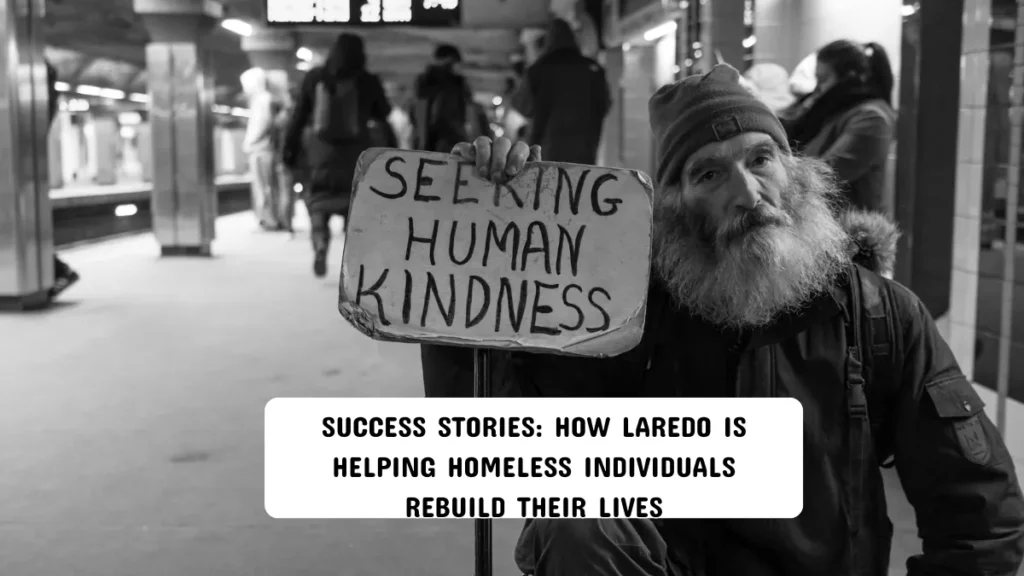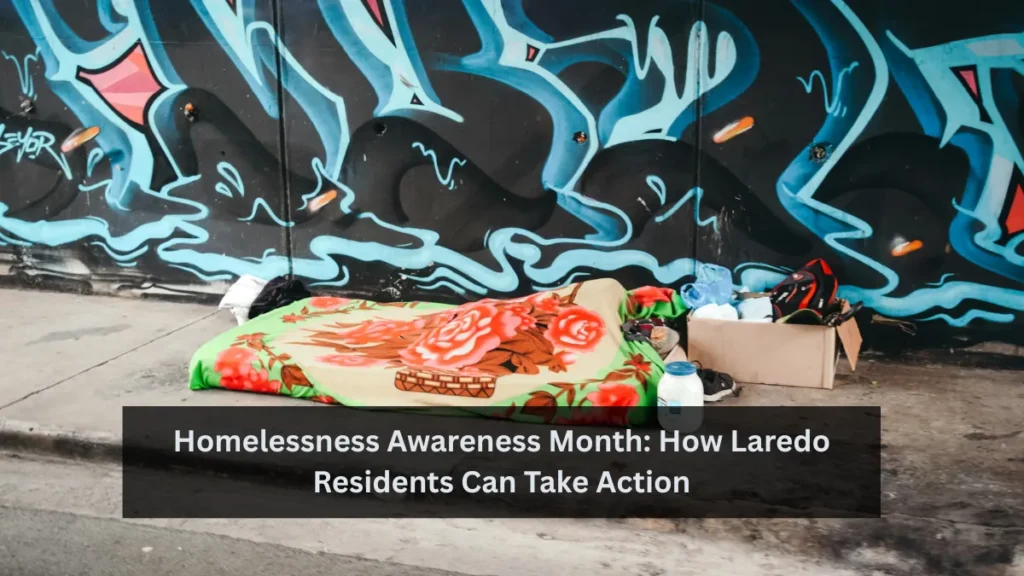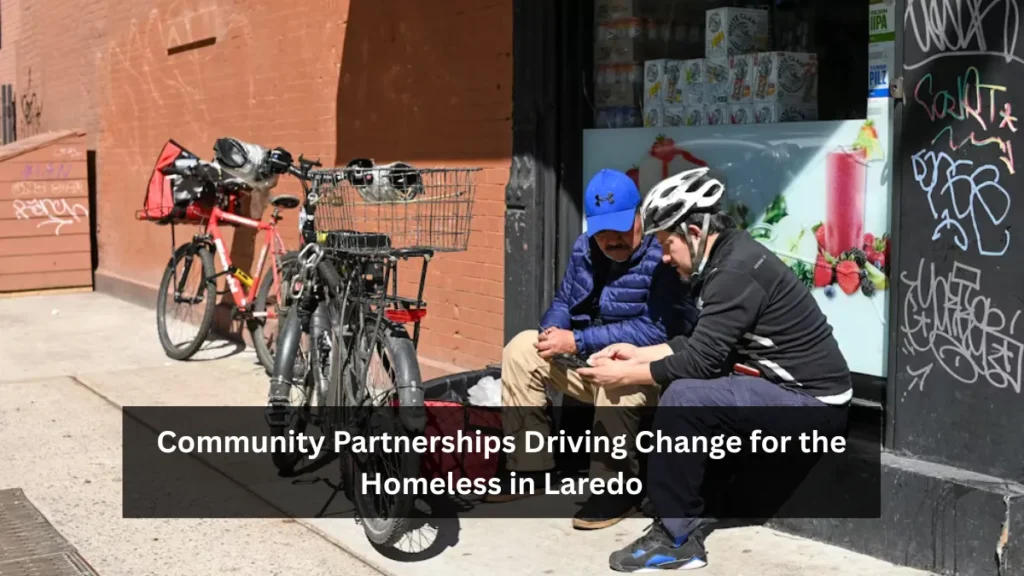
Homelessness in Laredo is more than a social issue; it affects families, seniors, and individuals struggling to find stability. People experiencing homelessness often face challenges like lack of shelter, limited access to nutritious food, and difficulty finding employment.
While these issues are visible on the streets, the underlying causes are complex, ranging from economic pressures to personal crises. Fortunately, Laredo has seen a surge of local programs aiming to provide solutions that go beyond temporary fixes, offering long-term support that helps residents rebuild their lives.
 Breaking the Cycle of Homelessness: Laredo’s Path Toward Lasting Solutions
Why Homelessness Happens in Laredo
Homelessness is rarely caused by a single factor. In Laredo, several reasons contribute to this ongoing challenge:
Economic Pressures
Many residents face high living costs and limited job opportunities. Even with employment, wages may not cover housing, utilities, and basic needs. This financial gap can push people into temporary shelters or street living.
Family and Personal Crises
Family breakdowns, domestic violence, or the death of a loved one can leave individuals without a safe place to stay. Seniors often face isolation and health-related challenges that make independent living difficult.
Lack of Awareness and Support Networks
Some individuals are unaware of the resources available to them, while others do not have supportive networks to help navigate housing, employment, or social services. Without guidance, finding stability can seem impossible.
 Resources and Programs for Laredo’s Homeless: A Complete Guide to Getting Help
Understanding these root causes helps explain why targeted local programs are essential. They address more than just immediate needs—they tackle the barriers that prevent people from regaining independence.
Step-by-Step Solutions Through Local Programs
Laredo has developed a range of local initiatives that provide structured support. Each program takes a step-by-step approach to help homeless individuals rebuild their lives.
Step 1: Accessing Emergency Shelter
The first step for anyone facing homelessness is securing a safe place to sleep. Laredo offers several shelters that provide temporary housing along with basic necessities such as meals, showers, and clothing.
How to Access:
 Emergency Shelters and Services in Laredo: What You Need to Know
- Contact local shelters directly or call the Laredo Homeless Coalition hotline.
- Provide basic information about your situation; shelters often prioritize urgent cases such as families with children or seniors.
- Follow shelter guidelines to ensure safety and access to resources.
Shelters do more than provide a bed—they offer stability, which is the foundation for planning long-term solutions.
Step 2: Connecting With Case Management Services
Once basic shelter is secured, case management programs help individuals create a personalized plan for recovery. Case managers work with clients to identify needs, set goals, and connect with resources.
How to Utilize Case Management:
- Schedule a meeting with a case manager at your shelter or local nonprofit.
- Share information about your current situation, skills, and goals.
- Develop a realistic plan that may include employment, education, and housing.
Case management ensures that help is coordinated, preventing individuals from falling through gaps in the system.
Step 3: Job Training and Employment Assistance
Employment is critical for long-term stability. Laredo programs provide training workshops, resume assistance, and job placement services tailored to each person’s abilities and experience.
Steps to Get Started:
- Attend local employment workshops offered by nonprofits or city programs.
- Complete any skills assessment or certification courses available.
- Apply for jobs through program-supported employment opportunities.
These services help people gain confidence and financial independence while ensuring they have the tools to succeed.
Step 4: Accessing Housing Programs
Permanent housing is the ultimate goal for most homeless individuals. Laredo has a variety of housing programs, from transitional apartments to subsidized rental units.
How to Apply:
- Work with a case manager to identify suitable housing programs.
- Complete the application, which may require proof of income, identification, and participation in support programs.
- Follow program requirements, which often include regular check-ins and participation in skill-building workshops.
These housing programs provide a stable environment, reducing the risk of returning to homelessness.
Step 5: Health and Wellness Support
Many homeless individuals face health challenges, including untreated medical conditions and mental health issues. Local programs in Laredo offer access to clinics, counseling, and wellness programs.
How to Take Advantage:
- Ask your case manager for referrals to local clinics and counseling services.
- Attend appointments regularly and follow treatment plans.
- Participate in wellness workshops focused on nutrition, stress management, and physical activity.
Health support ensures that individuals are better equipped to maintain independence and achieve long-term success.
Step 6: Building Community Connections
Social isolation can be a major barrier to recovery. Programs often provide opportunities for networking, mentorship, and community engagement.
Tips for Engagement:
- Join local support groups or volunteer programs.
- Participate in community events organized by nonprofits.
- Develop relationships with peers and mentors who understand your journey.
These connections foster resilience and provide emotional support, which is essential for sustained stability.
Helpful Tips and Common Mistakes to Avoid
- Tip: Always maintain communication with your case manager. They are your primary guide to resources.
- Tip: Keep a record of your applications, workshop attendance, and shelter check-ins. Documentation helps with eligibility and program transitions.
- Common Mistake: Relying solely on shelters without engaging in programs. Shelters provide temporary relief, but long-term solutions require active participation.
- Common Mistake: Avoiding health and wellness services. Ignoring physical or mental health can create setbacks in recovery.
- Tip: Seek programs that address multiple needs at once, such as combined housing, employment, and health support.
FAQs
How do I know which local program is right for me in Laredo?
Start by contacting a local shelter or the Laredo Homeless Coalition. Case managers can evaluate your situation and recommend programs tailored to your needs.
Are these programs only for adults?
No. Many programs also support families, seniors, and youth, providing specialized services for each group.
Do I need identification to access services?
Most programs request some form of identification, but case managers can often assist if you do not have official documents.
How long can I stay in a shelter?
Shelter stays vary depending on the program and individual circumstances. Case managers can help transition you from temporary shelter to permanent housing.
Can I receive employment training without being in a shelter?
Yes. Many nonprofits offer employment workshops and training programs even for individuals not currently residing in shelters.
Conclusion: Real Change Is Possible
Homelessness in Laredo is a complex issue, but local programs are proving that change is possible. By providing step-by-step support—from emergency shelter to permanent housing, employment, health, and community integration—these initiatives help individuals regain stability and independence.
The key takeaway is that help is available, but participation is essential. Those facing homelessness should engage with case managers, attend workshops, and access the full range of services offered. Community support, structured programs, and consistent guidance create opportunities for people to rebuild their lives safely and sustainably. Laredo’s approach demonstrates that with the right resources and support networks, the cycle of homelessness can be broken, one life at a time.