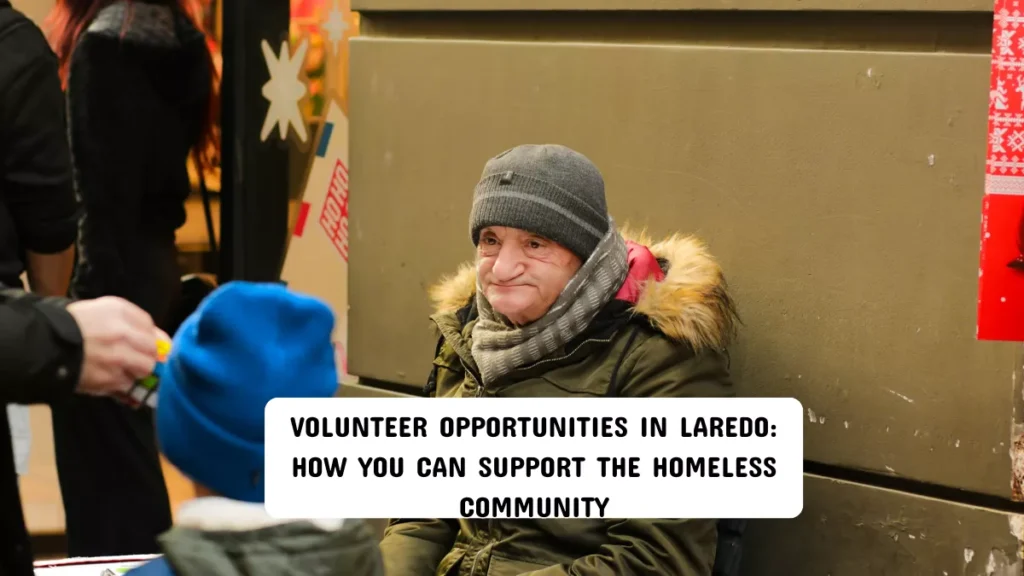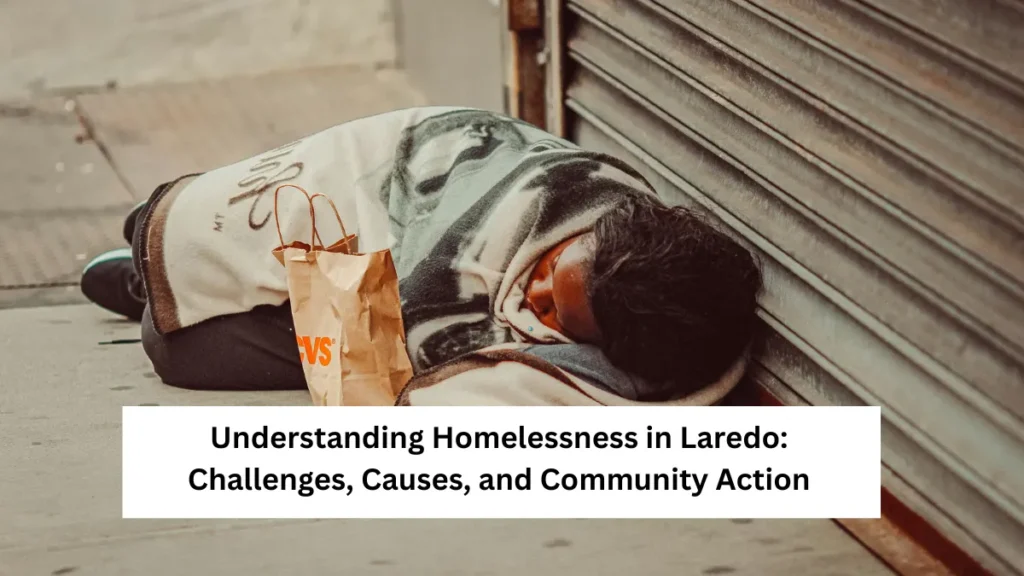
Homelessness is a visible and ongoing challenge in cities across the United States, including Laredo, Texas. People experiencing homelessness face daily struggles that most of us cannot imagine—from finding a safe place to sleep to accessing basic food and hygiene needs. While the problem may seem overwhelming, communities have the power to create meaningful change. By understanding why homelessness happens and taking practical steps, residents of Laredo can make a real difference in the lives of people experiencing homelessness.
Why Homelessness Happens
Homelessness is rarely the result of a single factor. Instead, it often stems from a combination of economic, social, and personal challenges. Understanding these reasons helps communities respond effectively.
 How Local Programs Are Changing the Lives of Laredo’s Homeless
Lack of Affordable Housing
One of the most significant contributors to homelessness in Laredo is the lack of affordable housing. Rent prices have increased faster than wages for many residents, forcing people out of stable homes. Low-income families, seniors on fixed incomes, and people with disabilities are particularly vulnerable. When housing costs exceed a family’s budget, eviction and displacement often follow.
Unemployment and Low Wages
Many people experiencing homelessness struggle to find stable employment that pays enough to cover living expenses. Temporary jobs, seasonal work, or positions without benefits leave individuals at risk of financial instability. Even those working full-time sometimes cannot afford rent, utilities, and other necessities simultaneously, which can push them into homelessness.
Family Issues and Domestic Violence
Family conflict, domestic violence, and breakdowns in relationships are other common reasons people become homeless. For some, escaping unsafe situations leads them to live on the streets or in shelters. Supportive programs that provide temporary housing and counseling can be life-saving for these individuals.
Health and Accessibility Challenges
Although we are not giving medical advice, it is important to recognize that chronic illness, disabilities, or mental health conditions can contribute to homelessness. Individuals who cannot access appropriate care or face discrimination in employment or housing may end up without stable living arrangements.
 Understanding Homelessness in Laredo: Challenges, Causes, and Community Action
Systemic Barriers
Structural issues such as lack of social services, limited public transportation, and insufficient funding for shelters also contribute to homelessness. Many people want to improve their situation but struggle due to systemic limitations that make it difficult to access the help they need.
How Communities Can Help: Step-by-Step Solutions
While the problem is complex, communities can take action to reduce homelessness in practical ways. Here are actionable steps that residents, organizations, and local authorities in Laredo can implement.
Step 1: Support Local Shelters and Services
Local shelters provide immediate relief for people experiencing homelessness. These shelters offer safe sleeping spaces, meals, and sometimes job placement assistance. Residents can volunteer, donate supplies like blankets or hygiene kits, or assist with fundraising efforts. Consistent community support helps shelters maintain operations and expand services.
Step 2: Encourage Affordable Housing Initiatives
Affordable housing programs are key to preventing homelessness before it starts. Community members can support policies that increase the availability of low-cost rental units or provide incentives for developers to build affordable homes. Residents can also partner with organizations that help individuals secure rental assistance or emergency housing funds.
 Understanding the Connection Between Affordable Housing and Homelessness in the U.S.
Step 3: Connect People to Employment Opportunities
Job stability is a critical factor in ending homelessness. Local businesses, nonprofits, and government programs can offer job training, resume-building workshops, and employment placement services. Volunteers can mentor individuals, helping them develop skills and confidence to secure sustainable employment.
Step 4: Provide Access to Essential Resources
Access to basic necessities like food, clothing, hygiene products, and transportation is crucial. Community-driven programs such as food banks, clothing drives, and public transportation assistance can make a significant difference. Organizing donation drives or volunteer days to distribute essentials can directly improve daily living conditions for homeless residents.
Step 5: Raise Awareness and Reduce Stigma
Community attitudes play a significant role in supporting people experiencing homelessness. Education campaigns, workshops, and public discussions can help reduce stigma and encourage empathy. Understanding that homelessness can affect anyone fosters a supportive environment where individuals are more likely to seek help without fear of judgment.
Step 6: Advocate for Systemic Change
Community members can influence local policies by advocating for improved funding for social services, mental health care, and accessible housing. Engaging with city council meetings, supporting local initiatives, or joining advocacy groups allows residents to contribute to long-term solutions that address the root causes of homelessness.
Step 7: Build Personal Connections
Even small, personal gestures can have a profound impact. Talking with people experiencing homelessness, listening to their stories, and treating them with dignity can boost their sense of belonging and hope. Local organizations often facilitate mentorship programs that pair volunteers with individuals who are navigating the challenges of homelessness.
Helpful Tips for Community Involvement
- Start Small: Volunteering a few hours a month or donating essentials can make a difference without being overwhelming.
- Stay Consistent: Long-term commitment often has more impact than one-time efforts.
- Work Through Established Programs: Partnering with shelters and nonprofits ensures that support reaches those who need it most.
- Educate Yourself and Others: Understanding homelessness from multiple perspectives improves empathy and effectiveness.
- Avoid Assumptions: Not all homeless individuals face the same challenges; each person’s situation is unique.
Common Mistakes to Avoid
- Assuming All Solutions Are Quick Fixes: Homelessness is a complex social issue; quick fixes rarely work alone.
- Giving Money Directly Without Guidance: Direct cash can help in some cases but may not address long-term needs; donations through local programs are often more effective.
- Ignoring Mental Health and Accessibility Needs: Supporting housing and employment without considering mental health or physical accessibility may leave gaps in care.
- Overlooking Prevention: Focusing only on immediate needs without supporting preventative measures limits long-term impact.
FAQs
How can ordinary residents help reduce homelessness in Laredo?
Residents can volunteer, donate supplies, support affordable housing initiatives, advocate for systemic changes, and create personal connections with people experiencing homelessness.
What types of resources are most needed by people experiencing homelessness?
Basic necessities such as food, clean clothing, hygiene products, blankets, temporary shelter, transportation assistance, and access to job training programs are highly valuable.
Are there local organizations I can partner with in Laredo?
Yes. Local shelters, food banks, nonprofit organizations, and advocacy groups welcome volunteers and donations. Connecting with these organizations ensures your help is directed where it is most needed.
Why is affordable housing important in ending homelessness?
Affordable housing provides stability, reduces financial stress, and helps prevent displacement. It is a critical factor in addressing the root causes of homelessness.
Can community awareness really make a difference?
Yes. Reducing stigma and promoting understanding encourages people experiencing homelessness to seek support and increases community engagement in solutions.
Conclusion
Ending homelessness in Laredo is not a task for a single individual or organization—it is a collective effort. By understanding the root causes, supporting shelters and services, promoting affordable housing, and providing access to essential resources, communities can create meaningful change. Small actions, consistent engagement, and empathetic connections contribute to building a city where everyone has the opportunity for safety, stability, and dignity. Laredo residents have the power to make homelessness a problem that is manageable rather than permanent, and every step forward matters.