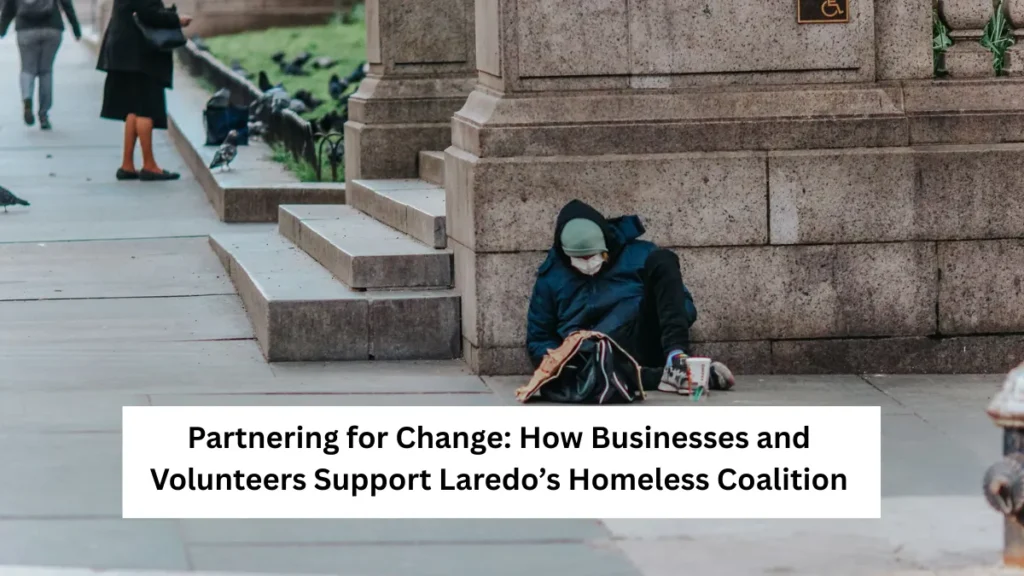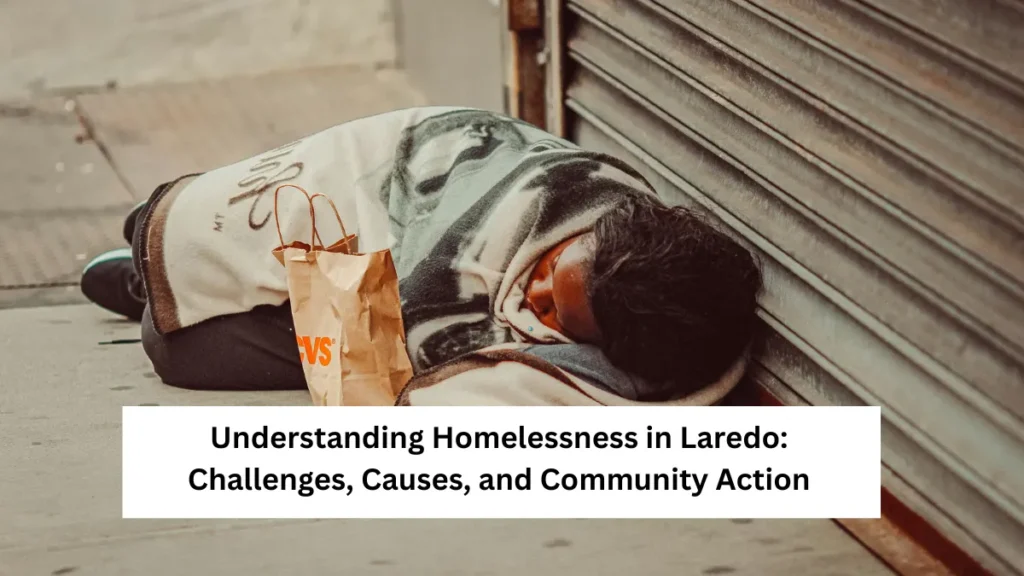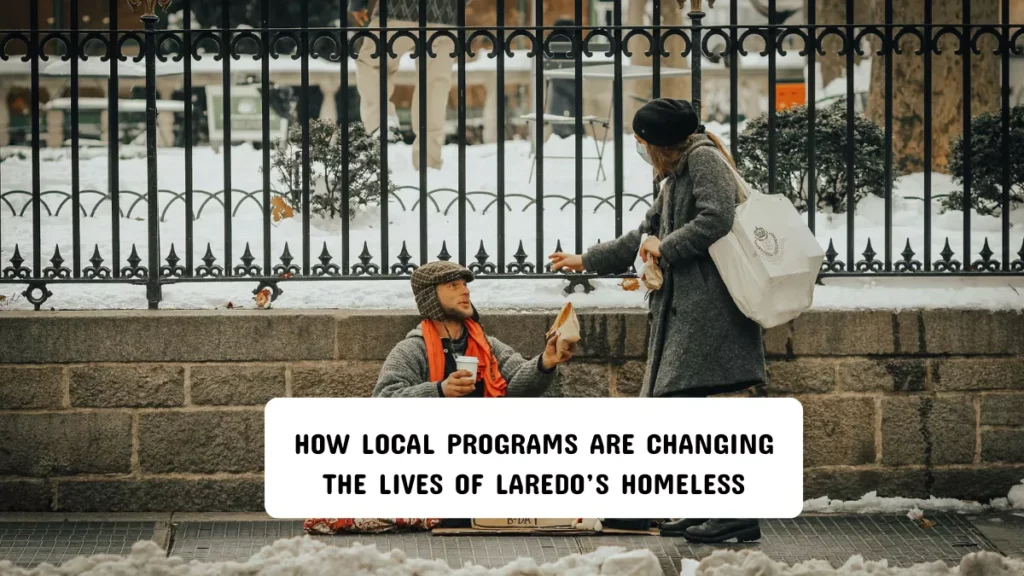
Youth homelessness is one of the most pressing yet overlooked social issues in modern America, and in Laredo, Texas, it is quietly growing into a serious crisis. Beneath the city’s vibrant culture and expanding economy lies a troubling reality—hundreds of young people have no stable place to live. Some sleep in shelters or cars, while others move from one couch to another, unsure of where they will be tomorrow. This issue is not just about lacking a roof; it’s about lost opportunities, disrupted education, poor health, and emotional trauma. Understanding the roots of youth homelessness in Laredo is crucial for creating real, lasting change.
This article explores why youth homelessness is increasing, what challenges these young people face, how community organizations are responding, and what can be done to create a safer future for Laredo’s youth. Readers will gain a clear, human-centered understanding of this issue—along with actionable insights on how individuals and local communities can help.
 Homelessness Awareness Month: How Laredo Residents Can Take Action
The Reality of Youth Homelessness in Laredo
In recent years, youth homelessness in Laredo has quietly risen, mirroring a nationwide pattern. Many of these young individuals are between the ages of 16 and 24, a period when they should be finishing school or starting their careers. Instead, they find themselves struggling to meet basic needs such as food, safety, and shelter.
The city’s economic disparities, combined with limited affordable housing, have worsened the problem. Many families live paycheck to paycheck, and when financial hardship strikes—whether through job loss, illness, or family conflict—young people often become the most vulnerable. In some cases, youth homelessness follows family separation, domestic violence, or rejection due to sexual orientation or identity. For others, it begins after aging out of foster care without stable housing or support.
While Laredo’s warm climate may make homelessness less visible than in colder states, the suffering remains profound. Many homeless youths hide their condition, attending school or work while secretly living in unstable conditions. This hidden nature makes the crisis harder to measure—and harder to solve.
Understanding the Root Causes
Youth homelessness rarely has one simple cause; it results from a mix of social, economic, and personal factors. In Laredo, several key drivers contribute to the crisis.
 Winter Relief Efforts in Laredo: Providing Warmth and Hope to the Homeless
Family conflict remains one of the most common triggers. When home environments become abusive or unsafe, young people may feel forced to leave. Others may face parental neglect or substance abuse at home. Economic hardship is another factor. Laredo’s median household income is below the national average, making families more vulnerable to eviction or financial instability.
Educational barriers also play a role. Youths who drop out of school or face academic struggles often have fewer job opportunities, making it harder to secure housing later. The foster care system adds another layer of risk. Many teens in foster care “age out” when they turn 18, losing access to housing and support programs without being fully prepared for independent living.
Finally, discrimination can’t be ignored. LGBTQ+ youth are disproportionately affected, often rejected by families or bullied at school. For these individuals, finding safe and accepting housing becomes even more difficult.
The Human Impact: More Than Just a Housing Problem
The effects of homelessness on young people are devastating and far-reaching. Without stable housing, it becomes nearly impossible to focus on education, employment, or mental well-being. Many youths experience depression, anxiety, and post-traumatic stress from constant uncertainty. Some resort to survival behaviors, including couch-surfing with strangers or engaging in unsafe activities to meet basic needs.
 Laredo Homeless Coalition: Key Initiatives and How to Get Involved
Homelessness also puts young people at higher risk of exploitation, trafficking, and substance abuse. The lack of consistent medical care leads to untreated illnesses, while poor nutrition and sleep deprivation weaken their physical health. Over time, these challenges create barriers that make escaping homelessness even harder.
Education, often seen as a pathway to stability, becomes disrupted. Without a permanent address, attendance records suffer, and many schools lack systems to identify and support homeless students. For those who do attend, the stigma of homelessness can lead to isolation and shame.
This human impact highlights why addressing youth homelessness is not merely about providing beds or shelters—it’s about restoring dignity, safety, and hope.
Community Response in Laredo
Laredo has several dedicated organizations working tirelessly to combat youth homelessness, though resources remain limited. The Laredo Homeless Coalition, local shelters, and church-based groups provide temporary relief through food, clothing, and safe shelter. However, the growing demand often exceeds capacity.
Some initiatives have begun focusing on prevention rather than just emergency response. Community leaders are exploring partnerships between schools, health agencies, and nonprofits to identify at-risk youth earlier. These partnerships aim to provide counseling, educational support, and financial assistance before homelessness occurs.
Despite these efforts, there remains a pressing need for more transitional housing options, especially for youth who are not yet ready for full independence. Programs that combine affordable housing with life skills training—such as budgeting, career readiness, and emotional health—can help break the cycle of homelessness permanently.
Laredo’s community-driven approach shows promise, but progress depends on sustained funding, political will, and widespread public awareness.
Why Prevention Must Be the Priority
While shelters and outreach programs are vital, true progress depends on prevention. Preventing youth homelessness saves lives, reduces costs for public services, and builds stronger communities. In Laredo, prevention can take several forms.
Schools are key to early identification. Teachers and counselors are often the first to notice signs of instability, such as chronic absenteeism or emotional distress. Training them to recognize and refer at-risk students can make a significant difference.
Family-based interventions also help. Providing counseling and mediation for families in conflict can prevent youth from leaving home in the first place. Additionally, ensuring that foster youth have access to supportive housing and mentorship after turning 18 can dramatically reduce homelessness among this vulnerable group.
Another preventive step involves economic empowerment. Expanding access to youth employment programs and vocational training can give young people the skills needed to sustain themselves. Finally, local governments must prioritize affordable housing development and rental assistance programs to support families before eviction occurs.
What Individuals Can Do to Help
Solving youth homelessness in Laredo requires more than government action—it requires community compassion. Individuals can make a meaningful impact in several ways. Volunteering at local shelters or mentoring at-risk youth helps build trust and stability. Donating clothes, hygiene products, and school supplies ensures that struggling youths maintain dignity.
Residents can also advocate for stronger housing policies and support organizations that focus on prevention and long-term stability. Even small actions—like listening without judgment or offering transportation to a job interview—can change a young person’s life trajectory.
By creating a community culture that values empathy and inclusion, Laredo can become a city where no young person feels invisible or forgotten.
The Role of Policy and Collaboration
Addressing youth homelessness requires cooperation between city officials, nonprofits, schools, and residents. Local policies should prioritize affordable housing projects, expand funding for youth-specific shelters, and create programs that support mental health and addiction recovery.
Collaboration between agencies ensures that young people don’t fall through bureaucratic cracks. A coordinated approach can track progress, share data, and improve service delivery. By viewing youth homelessness as a shared responsibility rather than a charity issue, Laredo can build a more equitable and resilient future.
Building a Future of Hope
Despite the challenges, there is reason for optimism. Every successful story of a once-homeless youth who finds stability demonstrates that change is possible. When communities unite behind prevention, education, and compassion, the cycle of homelessness can be broken.
Laredo’s strength lies in its community spirit. By recognizing youth homelessness as not just a social issue but a moral one, residents can lead meaningful change. Through continued advocacy, investment, and care, the city can offer every young person the foundation they need to thrive.
Conclusion
Youth homelessness in Laredo is a growing challenge that demands immediate attention and collective action. Behind each statistic is a young person with dreams, fears, and potential waiting to be realized. Addressing this issue means understanding its root causes, strengthening prevention systems, and creating long-term housing and support networks.
The path forward begins with awareness and compassion. When citizens, schools, and policymakers work together, Laredo can transform from a city struggling with youth homelessness into one that champions youth empowerment. Ending homelessness is not impossible—it begins with the belief that every young person deserves a safe place to call home.
FAQs
What causes youth homelessness in Laredo?
Family conflict, poverty, and lack of affordable housing are key drivers of youth homelessness in Laredo.
How does homelessness affect young people’s education?
It disrupts school attendance, lowers performance, and increases dropout risks due to instability and stress.
What help is available for homeless youth in Laredo?
It school attendance, lowers performance, and increases dropout risks due to instability and stress.
How can schools help prevent youth homelessness?
Schools can identify at-risk students early, provide counseling, and connect families with housing support.
How can individuals support homeless youth in Laredo?
Volunteering, donating essentials, mentoring, or advocating for housing policies can help homeless youth rebuild lives.