Homelessness is one of those problems most people see but feel powerless to change. You might drive past a tent camp on your way to work, notice people sleeping in doorways near a downtown bus stop, or see families in line at a local shelter. It can feel huge, complicated, and out of reach.
That is where homeless coalitions come in. Across the United States, local and regional coalitions bring together shelters, nonprofits, faith groups, volunteers, and people with lived experience of homelessness. One of their main roles is to push for policy changes that go beyond short-term charity and actually fix the systems that keep people on the street.
 Laredo’s Fight Against Homelessness: Building a Stronger, Safer Community for All
This article walks through how those coalitions advocate for policy reform, why their work matters, and how everyday people can plug into that process in a realistic and practical way.
Understanding the problem: Why policy reform is necessary
When people think about homelessness, they often picture a lack of beds or shelters. That is part of the issue, but it is not the whole story. Homelessness is wrapped up in several overlapping problems:
- High housing costs and limited affordable rentals
- Wages that do not keep up with rent and basic expenses
- Shortages of mental health and addiction services
- Gaps in support for veterans, youth, and seniors
- Local zoning and land-use rules that slow down housing development
Shelters and food pantries help people survive today. Policies shape whether people can afford to stay housed tomorrow.
Many coalitions realized over time that they were stuck in “emergency mode.” They were constantly raising money for cots, food, and winter clothing, while the number of people needing help kept rising. That is when the focus started shifting more toward policy reform—changing rules, budgets, and systems so fewer people become homeless in the first place and more people can exit homelessness for good.
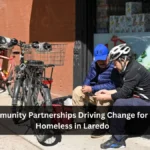 Community Partnerships Driving Change for the Homeless in Laredo
Why this problem keeps happening
Homelessness does not persist because people are not trying hard enough. It continues largely because of how our systems are set up. A few common reasons:
1. Fragmented services and agencies
In many cities, housing, health care, schools, and social services all operate separately. One office might handle emergency rental assistance. Another office might handle mental health. A third might oversee public housing or vouchers. People fall through the cracks when no one is responsible for connecting all of these pieces.
2. Policies that unintentionally make things harder
Sometimes laws and local rules meant to “keep neighborhoods safe” end up making life harder for people who are already struggling. Examples include:
- Rules that limit where shelters can be located
- Zoning that blocks multi-family or supportive housing
- Strict ID requirements that make it tough to apply for services
Coalitions often step in to explain to city councils or state legislators how a well-intentioned policy plays out on the ground.
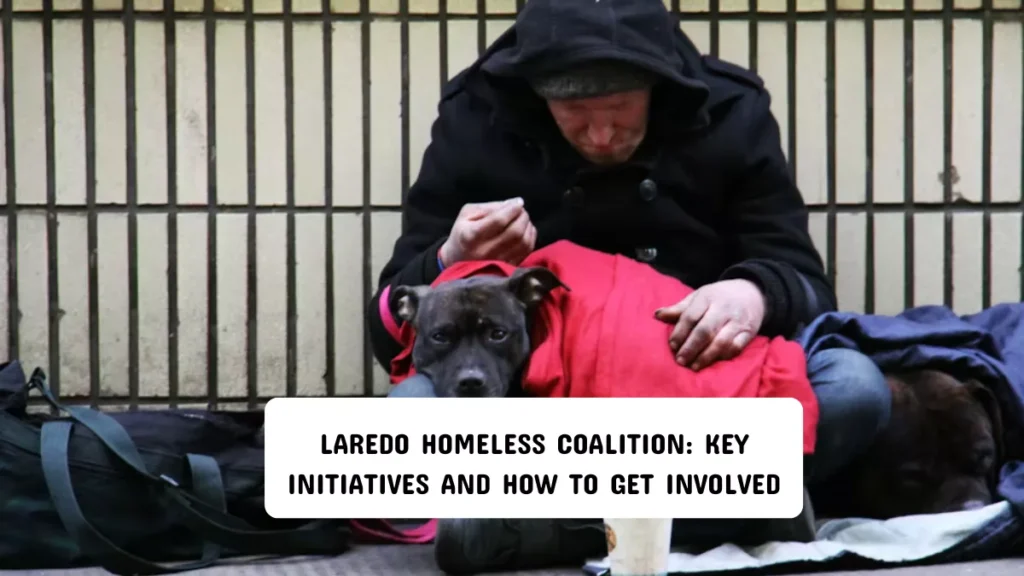
 Laredo Homeless Coalition: Key Initiatives and How to Get Involved
3. Short-term funding and political cycles
Programs come and go with election cycles and budget seasons. A city might fund a successful outreach program for a couple of years, then cut it when budgets get tight. Or a statewide initiative may not be renewed even if it works well. Without long-term planning, agencies are stuck reacting instead of preventing homelessness.
4. Limited voice for people directly affected
For many years, people experiencing homelessness rarely had a seat at the table. Meetings about homelessness happened in conference rooms, often without anyone who had actually been homeless. That meant policies might look good on paper but fail in real life. Coalitions have been working to change that by centering the voices of people with lived experience.
What homeless coalitions actually do
Homeless coalitions are not all the same, but most share a few core roles when it comes to policy reform.
1. Build a shared picture of the problem
To change policy, you first need a clear sense of what is actually happening. Coalitions often:
- Collect data from shelters, outreach teams, and service providers
- Listen to stories from people living in encampments or cars
- Talk to schools about housing-insecure students
- Coordinate with hospitals and crisis centers
From there, they can explain to decision-makers, in plain terms, what homelessness looks like in their community. For example, a coalition in a mid-sized Midwest city might show that more older adults are becoming homeless after rent increases, or that most people sleeping outside are from the same city, not “coming in from somewhere else.”
2. Identify which policies need to change
Once coalitions understand the local picture, they look at the policies that shape it. Common policy areas include:
- Land use and zoning (can new apartments or shelters be built?)
- Tenant protections and eviction procedures
- Funding for affordable housing and prevention programs
- Access to IDs and vital documents
- Reentry support for people leaving jail, prison, or foster care
Coalitions usually focus on a few priorities at a time. Rather than trying to fix everything, they concentrate on changes that are realistic, measurable, and have community support.
3. Educate decision-makers and the public
Policy reform rarely happens overnight. Coalitions spend a lot of time explaining the situation to:
- City and county officials
- State lawmakers
- School boards
- Business leaders
- Neighborhood associations
They might host forums, invite officials on tours of shelters, share reports, or bring people with lived experience to testify at hearings. The goal is not to blame, but to show how current policies work—and do not work—in real life.
4. Advocate for specific solutions
Advocacy means more than just raising awareness. Coalitions often push for clear, concrete changes such as:
- Allowing more multifamily housing or accessory dwelling units in certain neighborhoods
- Extending eviction notice periods or offering mediation
- Setting up “housing first” pilot programs
- Increasing funding for rapid rehousing or rental assistance
- Simplifying the process for getting IDs and documents
They track bills in state legislatures, attend city council meetings, submit comments on proposed rules, and keep community members updated on what is happening.
Step-by-step: How a homeless coalition advances policy reform
To see how this works in practice, here is a typical step-by-step process many coalitions follow. The exact details differ by city and state, but the broad flow is similar.
Step 1: Gather facts and stories
Coalitions start with information. They may:
- Compile local data from shelters and outreach teams.
- Conduct listening sessions with people who are homeless or recently housed.
- Map out where encampments, shelters, and services are located.
- Document patterns, such as increases after rent hikes or factory closures.
For example, a coalition might notice a growing number of families sleeping in cars in school parking lots. That could become a focus for deeper research and later advocacy.
Step 2: Set clear policy goals
Next, coalitions decide what they want to change. They usually:
- Review local and state laws related to housing and homelessness.
- Identify where rules are blocking progress (for instance, zoning that prevents building small apartments near transit).
- Prioritize a short list of goals, such as creating a local rental assistance fund or changing shelter siting rules.
- Check which goals match current political realities and community support.
The more specific the goal, the better. “Fix homelessness” is not a policy goal; “allow supportive housing in more zoning districts” is.
Step 3: Build partnerships and allies
Policy change is easier with broad support. Coalitions often reach out to:
- Faith communities that already run food pantries or winter shelters
- Hospital systems seeing the health impacts of homelessness
- Local businesses affected by encampments and public space issues
- Schools working with students who lack stable housing
- Landlords who have participated in voucher programs
This might look like forming a working group, sending joint letters, or agreeing on shared talking points. The coalition helps keep everyone at the same table and focused on solutions instead of blame.
Step 4: Engage people with lived experience
Strong coalitions treat people who have experienced homelessness as experts, not just as “clients.” They may:
- Set up advisory boards made up of people who are or were homeless.
- Pay them for their time or cover transportation and childcare.
- Offer training on how to speak at hearings or community meetings.
- Make sure their feedback shapes policy priorities, not just “adds a story.”
This step helps keep proposed policies grounded in reality. For instance, someone who has tried to rent with an eviction on their record can explain how certain screening rules play out in practice.
Step 5: Communicate with policymakers
When a coalition is ready to push for change, they:
- Meet with city council members, county supervisors, or state legislators.
- Share data in plain language, often with clear charts or short briefs.
- Bring people with lived experience to share their perspective.
- Offer specific policy language or examples from other cities.
These meetings are usually respectful and focused. Coalitions know that officials juggle many issues, so they try to make the connection between homelessness, public safety, community health, and long-term costs.
Step 6: Mobilize community support
Policy reform often requires public backing. Coalitions may:
- Organize community forums or town halls
- Share updates by email or social media
- Encourage people to attend hearings or submit written comments
- Provide sample messages that residents can personalize before sending to their representatives
For example, when a city considers allowing more supportive housing, neighbors might have questions or concerns. The coalition can help answer those questions, share data from similar projects, and lift up voices of people who have moved from the streets into stable housing.
Step 7: Monitor implementation and outcomes
Passing a policy is not the end of the story. Coalitions watch how new rules play out:
- Are funds actually being spent as intended?
- Are new housing units being built, and where?
- Do people report fewer barriers to getting help?
- Are there unintended consequences that need to be addressed?
They then bring this information back to officials, suggesting adjustments as needed.
Practical ways coalitions push for real-world solutions
Here are a few realistic examples of how coalitions might work in different parts of the United States. These are general scenarios, not tied to any specific city.
- In a West Coast city with a high cost of living, a coalition pushes for more “low-barrier” shelters that allow couples, pets, and belongings. They show data that many people avoid shelters because they cannot bring their animals or stay with partners.
- In a Southern town with limited rental options, a coalition advocates for a small local fund to help tenants cover one-time emergencies like car repairs or medical bills, which often trigger missed rent. They partner with churches and local businesses to support the idea.
- In a Midwestern city, a coalition works with the local housing authority and school district to identify families who are couch-surfing or living in motels. They push for policies that prioritize those families for housing assistance before they end up on the street.
In each case, the coalition is not just providing services. It is actively shaping the rules and resources that determine whether people stay housed.
Helpful tips and common mistakes to avoid
If you are thinking about getting involved with a local homeless coalition, or even starting one, it helps to keep a few things in mind.
Helpful tips
- Start by listening. Before proposing solutions, listen to people who are currently homeless and those who serve them every day.
- Focus on one or two priorities. It is better to win one meaningful policy change than to chase ten different issues and burn out.
- Use both data and stories. Numbers show scale; personal stories help people feel the human impact.
- Stay respectful, even when frustrated. Policy change is usually slow. Building long-term relationships with officials and neighbors matters.
- Look for common ground. Many people care about safety, cleanliness, and dignity, even if they disagree about how to get there. Coalitions can build on that shared concern.
Common mistakes to avoid
- Ignoring people with lived experience. Making decisions “for” people without involving them often backfires.
- Treating policymakers as enemies. Officials may be limited by budgets, laws, and political pressures. A collaborative approach usually works better than constant confrontation.
- Overpromising. Policy changes can help, but they rarely solve everything at once. Keep expectations realistic.
- Focusing only on emergency responses. Shelters, outreach, and food are critical, but they should be paired with long-term solutions like housing and prevention.
- Forgetting to follow up. After a policy passes, stay involved to ensure it is implemented fairly and effectively.
Conclusion: Why this work matters
Homelessness can feel overwhelming, but it is not random. It reflects the policies and choices our communities make about housing, wages, services, and land use. Homeless coalitions play a key role in connecting what happens on the street to what happens in city halls, county offices, and state capitols.
By gathering facts, lifting up real stories, building partnerships, and pushing for specific reforms, these coalitions help move communities from short-term crisis management toward long-term solutions. Their work does not erase every hardship, and change rarely happens as quickly as people would like. But over time, these steady efforts can shape a future where fewer people are forced to live without a safe, stable place to call home.
FAQ’s
What is a homeless coalition?
A homeless coalition is usually a group of organizations and individuals who come together to address homelessness in a specific area. Members might include shelters, churches, nonprofit agencies, health providers, volunteers, and people who have experienced homelessness themselves. The coalition coordinates efforts, shares information, and often leads advocacy for policy changes.
How is advocacy different from charity?
Charity focuses on immediate needs—things like meals, blankets, and temporary shelter. Advocacy focuses on changing the policies and systems that create or prolong those needs. Both matter. For example, a coalition might support a winter shelter (charity) while also pushing for more affordable housing and stronger tenant protections (advocacy).
Do homeless coalitions work with local government?
Yes, most coalitions work closely with city and county officials. They share data, offer recommendations, and serve as a bridge between people on the front lines and those who write rules and budgets. The relationship can sometimes be tense, but many coalitions see themselves as partners in solving a shared problem.