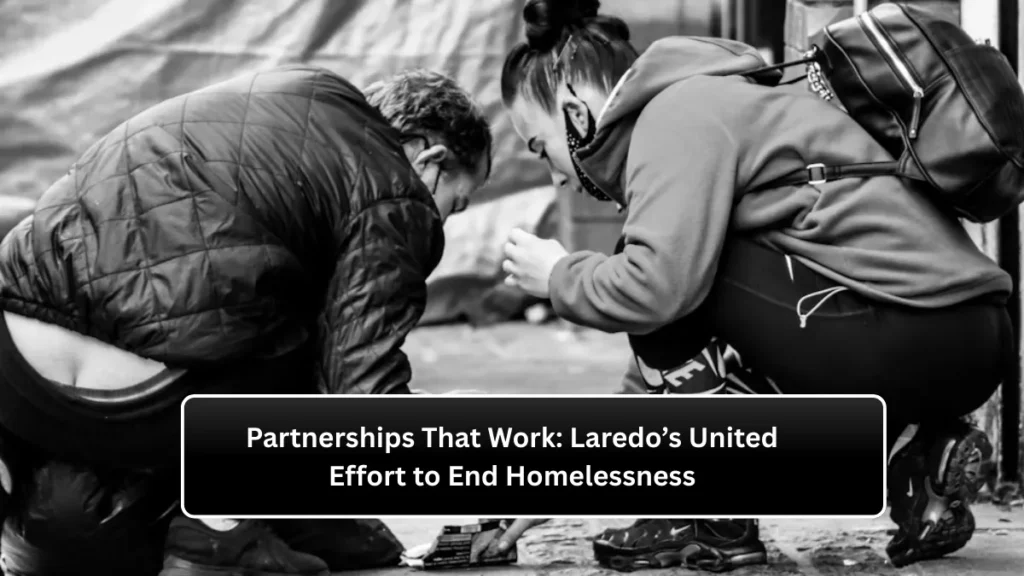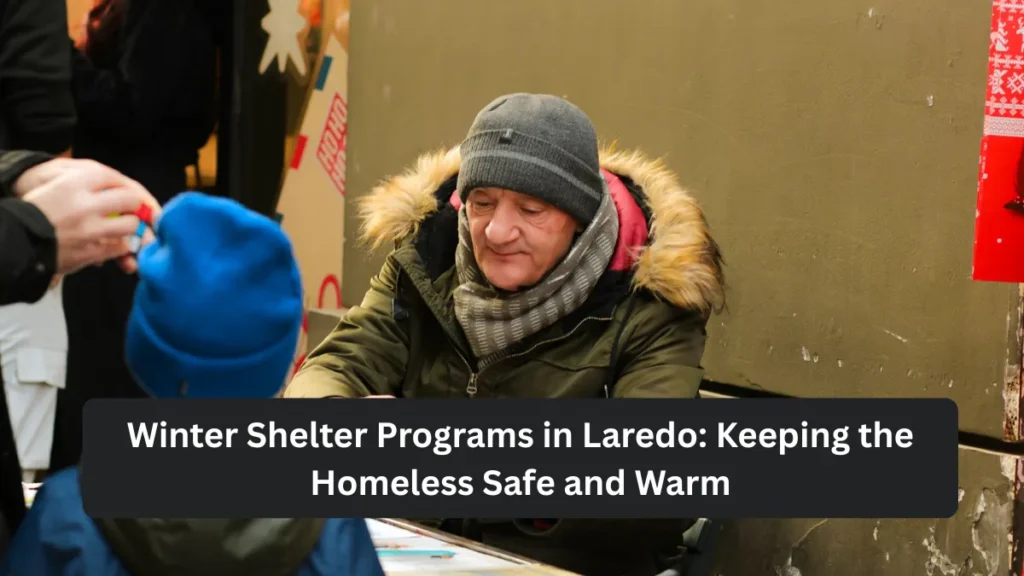
Homelessness in Laredo, Texas, is more than just a lack of housing—it’s a reflection of economic hardship, limited access to healthcare, and the struggle for dignity. In a border city where cultures blend and community ties run deep, faith-based organizations have become a vital support system for individuals experiencing homelessness. These groups, driven by moral conviction and compassion, have transformed faith into action, offering hope, shelter, and purpose to those most in need. Understanding their role reveals how spiritual values can be translated into tangible change that uplifts an entire community.
For readers, exploring this topic means gaining insight into how local ministries, churches, and nonprofit faith groups are making measurable differences in Laredo’s homeless population. It also shows how partnerships, volunteers, and faith-centered leadership create pathways out of homelessness—often succeeding where traditional systems fall short.
 How Education and Job Training Empower Laredo’s Homeless to Rebuild Their Lives
Understanding Homelessness in Laredo
Laredo’s homeless population faces challenges shaped by both its geography and economy. As a border city, Laredo experiences high poverty rates, fluctuating employment opportunities, and limited affordable housing options. Many individuals who fall into homelessness are not chronically homeless but are instead displaced by medical bills, job loss, or family crises. Others struggle with mental illness, addiction, or the lingering effects of trauma.
While city and county programs provide essential services, their reach is limited. This gap is where faith-based organizations have stepped in—meeting immediate physical needs while addressing the emotional and spiritual dimensions of recovery. Unlike larger bureaucratic systems, faith-based groups often operate with flexibility, community trust, and a long-term commitment to personal transformation.
How Faith-Based Organizations Serve Laredo’s Homeless
Faith-based organizations in Laredo provide a range of services that go beyond temporary relief. They operate shelters, distribute meals, run rehabilitation programs, and offer counseling. Churches and ministries such as those affiliated with Catholic Charities, Baptist congregations, and local nondenominational ministries have built structured programs to provide both emergency assistance and long-term support.
Their approach is deeply relational. Volunteers don’t simply hand out food—they listen, pray, and create a sense of belonging. By fostering personal connections, they give individuals the motivation to rebuild their lives. Many homeless individuals trust these organizations more readily than government agencies, as faith-based programs treat them not as statistics but as people with worth and potential.
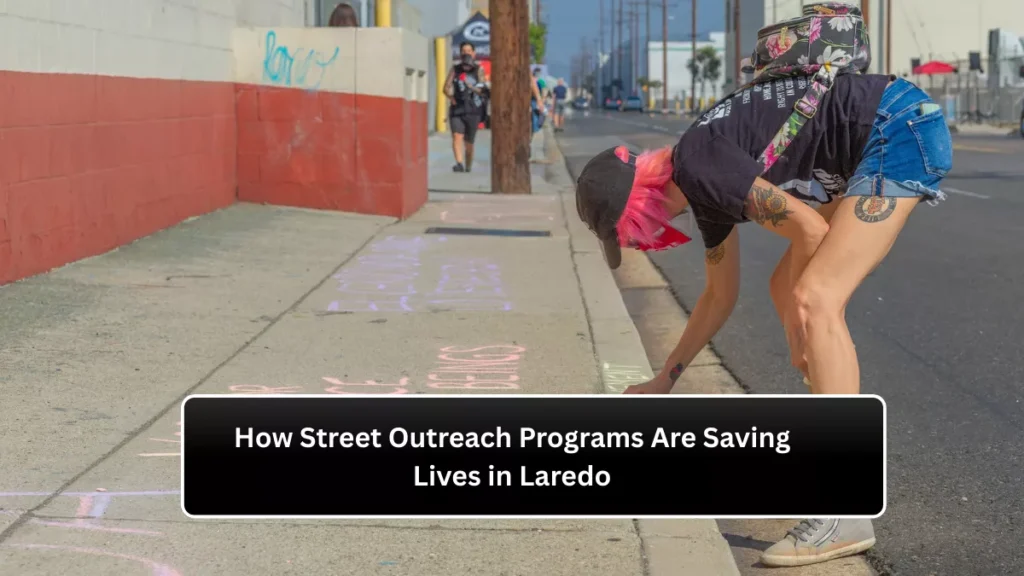
 How Street Outreach Programs Are Saving Lives in Laredo
In Laredo, for example, several ministries organize community meals each week where participants can also receive hygiene supplies, medical checkups, or referrals to job training programs. Some churches have converted unused facilities into temporary shelters or resource centers. These actions demonstrate a commitment to holistic care that reflects the community’s cultural and moral values.
The Power of Faith in Healing and Transformation
Faith-based outreach does more than feed or house people—it provides hope. Spiritual renewal often acts as the foundation for personal recovery. When individuals experience compassion grounded in faith, it helps restore a sense of identity and worth that homelessness can strip away.
In Laredo, many programs integrate prayer meetings, Bible study sessions, and pastoral counseling into their outreach. For some, rediscovering faith provides emotional strength to overcome addiction or mental health struggles. For others, it builds resilience and trust that leads to long-term stability.
This spiritual component is what sets faith-based programs apart. They offer an environment where forgiveness, accountability, and transformation are central themes. These values encourage participants to take responsibility for their future while knowing they are not alone. In this way, spiritual care becomes a catalyst for personal growth and societal reintegration.
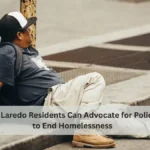 How Laredo Residents Can Advocate for Policies to End Homelessness
Building Partnerships for Greater Impact
Faith-based organizations rarely work in isolation. In Laredo, they often collaborate with city departments, healthcare providers, and community coalitions to maximize resources. These partnerships allow for coordinated care, where an individual might receive housing assistance from a church, medical treatment through a community clinic, and employment support from a local nonprofit.
Such collaborations have proven essential during times of crisis. During extreme heatwaves, churches have served as cooling centers. During the COVID-19 pandemic, faith groups helped distribute food and protective equipment to vulnerable populations. Their agility and deep community roots made them indispensable partners in emergency response efforts.
The partnership model also ensures accountability and sustainability. By working with civic leaders, faith-based organizations gain access to grants, training, and logistical support while maintaining their spiritual mission. In turn, government and private institutions benefit from the trust and outreach capabilities that these organizations naturally possess within local neighborhoods.
Overcoming Challenges and Maintaining Integrity
Despite their vital role, faith-based organizations face several challenges. Funding remains one of the most pressing. Many rely heavily on donations and volunteer labor, making long-term sustainability difficult. Balancing their spiritual mission with regulatory requirements for social services can also be complex.
Another challenge lies in avoiding dependency among those they serve. Effective programs focus on empowerment—helping individuals acquire skills, find jobs, and achieve self-sufficiency rather than perpetuating reliance on aid. Many Laredo ministries now emphasize education, vocational training, and financial literacy alongside spiritual mentoring.
Maintaining inclusivity is equally critical. Faith-based organizations must ensure that their services are open to all, regardless of religion or background. In a diverse city like Laredo, this inclusive spirit strengthens community trust and underscores the universal message of compassion.
The Economic and Social Impact of Faith-Based Work
Beyond individual transformation, faith-based organizations contribute significantly to Laredo’s social and economic health. By reducing homelessness, they help lower public spending on emergency healthcare, law enforcement, and crisis services. Individuals who transition from homelessness into stable housing and employment become active contributors to the local economy.
Faith-based volunteerism also strengthens civic engagement. Congregations rally around shared missions, reinforcing social bonds and encouraging responsibility toward the less fortunate. These collective efforts create a ripple effect that benefits the entire city—from cleaner streets to safer neighborhoods and stronger families.
Moreover, many programs encourage youth participation, nurturing the next generation’s sense of service. Students who volunteer at shelters or community kitchens often gain empathy, leadership skills, and a deeper understanding of social justice.
A Model for Compassion-Driven Policy
The success of faith-based initiatives in Laredo offers valuable lessons for policymakers and community leaders. Their model demonstrates that addressing homelessness requires not only funding but also human connection and moral purpose. When public policy aligns with community compassion, it becomes more effective and sustainable.
Encouraging collaboration between faith-based groups and local agencies can help scale proven solutions. For example, offering tax incentives for churches that open facilities for emergency sheltering or establishing public-private partnerships can multiply impact. Likewise, faith-based leaders can play an advisory role in shaping housing and poverty alleviation strategies, ensuring policies reflect both practical and ethical considerations.
Ways Individuals Can Support Faith-Based Homeless Initiatives
Laredo residents can contribute to these efforts through volunteerism, donations, and advocacy. Churches often need volunteers to serve meals, organize clothing drives, or provide mentorship. Even small acts—such as donating blankets, socks, or hygiene kits—can make a difference.
Beyond material support, raising awareness about homelessness fosters empathy and breaks down stigma. Attending community forums or encouraging local businesses to hire individuals in recovery programs also helps create opportunities for long-term change.
Ultimately, supporting faith-based organizations means investing in both compassion and community resilience. When individuals and institutions unite under shared values, the impact extends far beyond immediate relief—it transforms lives.
Conclusion: Faith in Action, Hope Restored
The role of faith-based organizations in supporting Laredo’s homeless community reflects the best of what humanity can offer: compassion grounded in action, belief turned into service, and hope reborn through community. Their work bridges the gap between charity and transformation, showing that every act of kindness has the power to restore dignity.
As homelessness continues to challenge modern cities, Laredo’s example reminds us that faith, when practiced through service, remains one of the most effective tools for healing and rebuilding lives. Whether through prayer, partnership, or simple acts of love, faith-based organizations are not just responding to homelessness—they are rewriting its story.
FAQs
How do faith-based organizations help the homeless in Laredo?
They provide shelter, food, counseling, and job training while offering faith-based emotional support.
Are faith-based services available to people of all religions?
Yes, most faith-based programs in Laredo welcome anyone, regardless of religious background.
What challenges do faith-based groups face in helping the homeless?
Funding shortages, resource limitations, and balancing faith with inclusive service delivery.
Can individuals volunteer to help faith-based homeless programs?
Yes, volunteers are vital for meal services, donation drives, and mentorship opportunities.
How do faith-based programs reduce homelessness long-term?
They combine housing aid with counseling, spiritual guidance, and job readiness training.