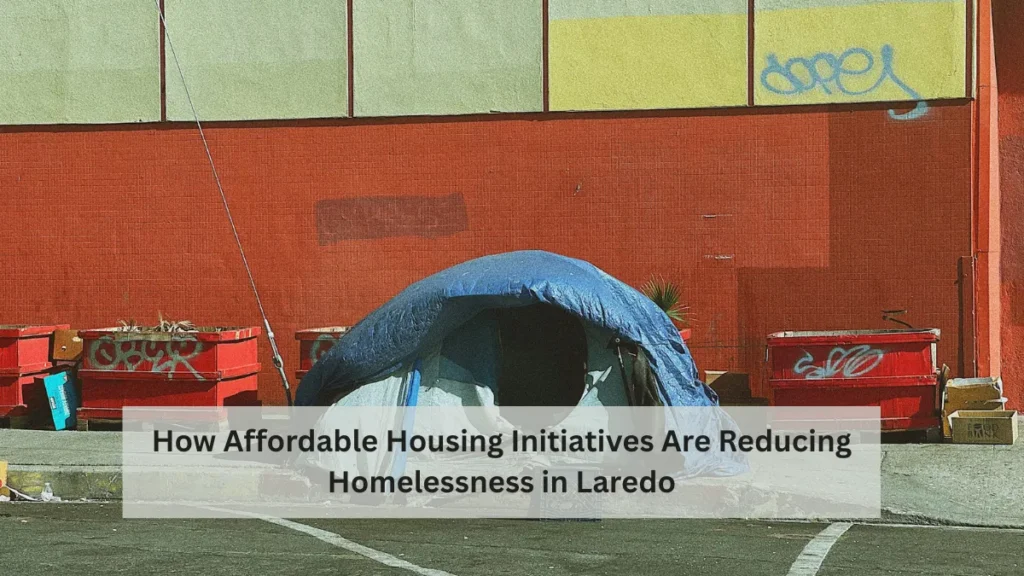
Every city has its silent struggles, and in Laredo, Texas, one of the most pressing is homelessness. For many who find themselves without a roof or steady income, the loss is not just material—it’s deeply personal. Homelessness often strips individuals of their confidence, opportunities, and a sense of belonging. Yet, amidst these challenges, education and job training are emerging as powerful tools that can help turn despair into determination.
This transformation is not just theoretical; it is happening in real communities across Laredo, where programs and dedicated educators are helping the homeless rebuild their lives with dignity and purpose. This article explores how education and workforce development initiatives empower the homeless in Laredo to reclaim their futures, providing both practical insights and inspiration for those who believe in the transformative power of learning.
 Success Stories from Laredo’s Homeless Community: Inspiration and Change
Understanding the Roots of Homelessness in Laredo
Laredo’s homelessness crisis reflects both local and national challenges—rising housing costs, job insecurity, limited access to healthcare, and mental health struggles. Many people experiencing homelessness once had stable lives before job loss, medical bills, or family crises pushed them into uncertainty. In Laredo, the situation is compounded by limited affordable housing and fewer job training options compared to larger cities.
Yet, these same conditions make education-based programs especially valuable. When individuals gain skills that match local industry needs—whether in logistics, healthcare, or construction—they are better equipped to re-enter the workforce and secure stable housing. Education, therefore, is not simply about learning—it is about restoring self-sufficiency and confidence.
How Education Opens Doors to New Opportunities
Education is the foundation upon which lasting change is built. For Laredo’s homeless population, adult education programs offer a chance to develop literacy, numeracy, and digital skills that are essential in today’s job market. Many shelters and local community organizations partner with colleges and workforce boards to deliver classes designed for adults who have been out of school for years.
These programs are not just about academics—they rebuild self-worth. Learners rediscover their potential and learn to set achievable goals. The process of earning a GED or completing a short-term certification program can reignite hope. Every completed lesson and passed test becomes a milestone, symbolizing resilience and determination.
 The Importance of Awareness Campaigns in Combating Homelessness in Laredo
The Role of Job Training in Long-Term Stability
While education lays the foundation, job training builds the structure for long-term independence. Workforce training programs in Laredo are increasingly tailored to meet regional employment demands. With the city’s strong logistics, manufacturing, and healthcare sectors, job training often focuses on practical, hands-on skills. Participants learn welding, truck driving, healthcare assistance, and information technology—all professions with strong hiring prospects.
These programs frequently include mentorship, resume preparation, and interview coaching. The result is not merely employment but empowerment. When people gain real-world skills, they move from being dependent on assistance to becoming active contributors to their local economy. They start to rebuild their lives with stability and pride.
Overcoming Barriers to Learning and Employment
Rebuilding after homelessness is not easy. Many participants face barriers that go beyond education or training. Mental health issues, lack of transportation, and childcare challenges often stand in the way. Laredo’s most effective programs take a holistic approach.
They provide wraparound services such as counseling, transportation vouchers, and daycare support. This integrated model acknowledges that learning cannot happen in isolation. Stability at home—or in a shelter—is as critical as classroom learning. By addressing both educational and personal needs, these programs help learners focus on growth without being overwhelmed by life’s daily struggles.
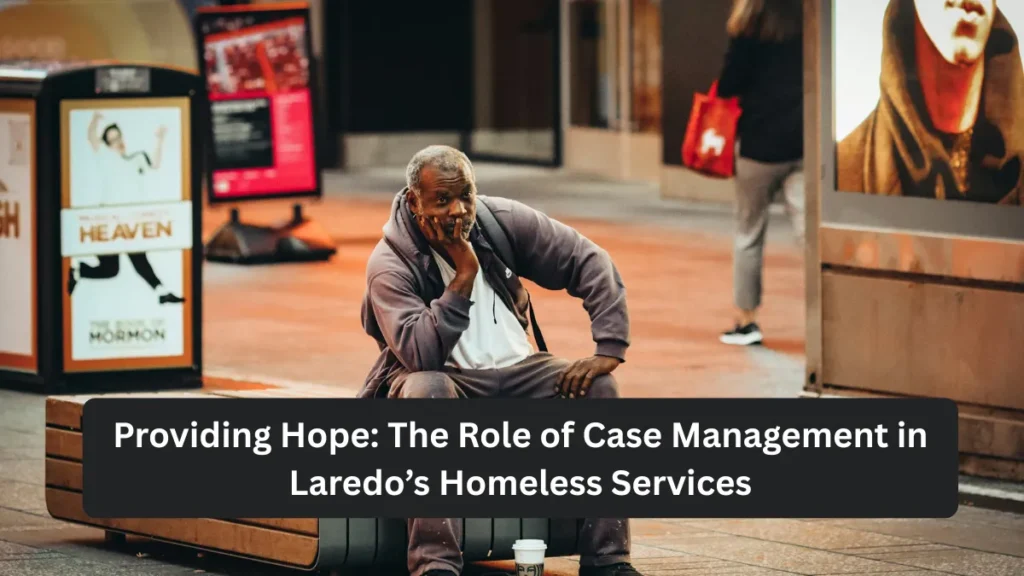
 Providing Hope: The Role of Case Management in Laredo’s Homeless Services
Real Stories of Transformation from Laredo
Behind every program statistic is a human story. Take, for example, the story of Maria, a mother of two who lost her job during the pandemic and soon after her home. Through a Laredo adult education program, she earned her GED and completed a certification in medical billing. Within months, she secured employment with a local healthcare provider. Her journey reflects the power of structured support and determination.
Another example is José, a former construction worker who faced addiction and homelessness. Through a workforce training initiative, he not only gained new skills but also became a mentor to others recovering from similar circumstances. These stories show that education and job training are not abstract solutions—they are lifelines.
The Importance of Collaboration Between Organizations
No single institution can tackle homelessness alone. Laredo’s progress comes from collaboration among nonprofits, educational institutions, and local government. Shelters work closely with workforce boards, community colleges, and faith-based organizations to design accessible training programs. Employers also play a crucial role by offering internships or apprenticeships for participants transitioning out of homelessness.
These partnerships ensure that programs are relevant to the local economy and sustainable over time. The collective effort of educators, social workers, and employers creates a safety net that catches individuals before they fall back into homelessness.
Building Confidence and Community Through Learning
Beyond skills and employment, education restores something even more valuable—confidence. For many homeless individuals, the classroom becomes a place of hope and belonging. It fosters connections that can last a lifetime. Participants often say that being part of a learning community helps them rebuild trust, not only in others but in themselves. Group projects, mentorship, and peer support create a sense of unity.
Learning together replaces isolation with purpose. In this way, education does more than prepare people for jobs; it helps them heal emotionally and socially.
Addressing Mental Health and Emotional Resilience
Education and job training cannot succeed without emotional wellness. Many people experiencing homelessness struggle with trauma, anxiety, or depression. In Laredo, several programs integrate mental health counseling with job readiness activities. Participants attend workshops on stress management, emotional regulation, and self-care.
This approach recognizes that empowerment starts within. When individuals are emotionally resilient, they are more likely to persist through challenges, complete their training, and sustain employment. Mental wellness becomes both a tool and an outcome of educational empowerment.
How Employers Can Support the Transition
Employers in Laredo are key allies in helping homeless individuals reintegrate into the workforce. Businesses that adopt inclusive hiring practices not only fill essential job roles but also strengthen the community. Offering entry-level positions, mentorship, and on-the-job training helps participants build confidence and stability.
Some employers even collaborate with social service agencies to provide support systems for new hires during their transition period. This cooperation benefits everyone—the individual gains stability, the employer gains a motivated worker, and the community gains resilience.
The Role of Local Colleges and Training Centers
Laredo Community College and various adult learning centers are central to this movement. These institutions design flexible courses that accommodate learners’ unique circumstances. Night classes, online modules, and accelerated training options allow participants to balance work, family, and education.
Instructors trained in trauma-informed teaching create a supportive environment that meets both academic and emotional needs. Over time, these institutions have become more than educational providers—they are pillars of community recovery.
Measuring Success and Long-Term Impact
The true measure of success is not just in graduation rates but in life outcomes. Laredo’s programs track participants who secure stable housing, maintain employment, and continue learning. Many graduates become advocates or peer mentors, guiding others through the same journey.
This ripple effect transforms the broader community. As more individuals rebuild their lives, they contribute to local stability, economic growth, and civic engagement. The success of one becomes the inspiration for many.
Future Outlook: A Sustainable Path Forward
The challenge now is ensuring that these programs remain well-funded and adaptable. As the job market evolves, so must the skills training offered. Investing in technology education, digital literacy, and green jobs can help participants stay competitive. Policymakers and local leaders in Laredo must continue prioritizing these efforts. When education and job training are sustained and inclusive, they become not just a temporary fix but a long-term solution to homelessness.
Conclusion: Education as the Foundation of Renewal
Education and job training do more than teach—they transform. For the homeless in Laredo, these opportunities are pathways from survival to stability. Every class attended, every certificate earned, and every job secured represents a step toward rebuilding not just a career, but a life.
Empowerment through education is both an individual and collective triumph. When a city invests in learning, it invests in hope, and when people are given the chance to learn and work, they rebuild more than their own lives—they help rebuild the community around them.
FAQs
How does education help Laredo’s homeless population?
Education gives homeless individuals essential skills to find jobs and regain confidence in rebuilding stable, independent lives.
What types of job training are offered in Laredo?
Laredo offers training in healthcare, logistics, construction, and technology—industries with steady hiring opportunities.
What are common barriers to homeless education?
Barriers include transportation issues, mental health challenges, and lack of childcare or stable housing support.
How do local organizations collaborate to reduce homelessness?
Nonprofits, colleges, and employers in Laredo work together to provide holistic support, training, and employment.
Can education really end homelessness?
Education alone can’t end homelessness, but it gives people the skills, stability, and confidence to rebuild their futures.