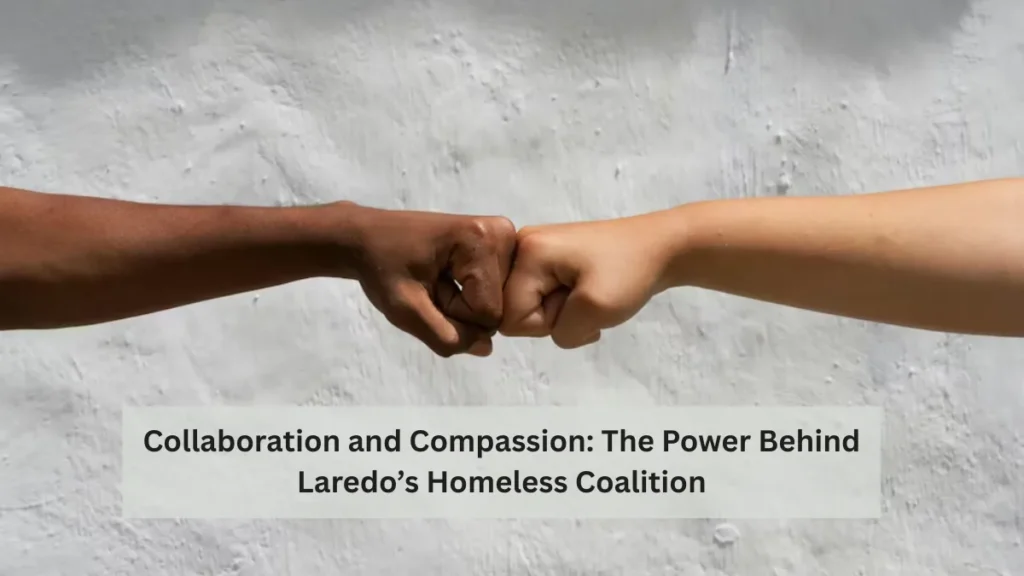
In the bustling border city of Laredo, Texas, life unfolds in sharp contrasts. Towering bridges link two nations, yet within the same streets, many residents battle poverty, addiction, and homelessness. Beneath the heat of the South Texas sun, people experiencing crises are often invisible to most — but not to the dedicated outreach workers who meet them where they are. Street outreach programs in Laredo are rewriting stories of despair into stories of survival, connection, and healing.
These programs have become a lifeline for hundreds of individuals who have slipped through traditional systems of care. By focusing on compassion, accessibility, and trust, street outreach teams are saving lives every single day — not through bureaucracy, but through human connection. This article explores how these programs work, why they are effective, and what communities can learn from Laredo’s growing outreach network.
 Success Stories from Laredo’s Homeless Community: Inspiration and Change
The Rising Need for Street Outreach in Laredo
Laredo’s geographic and social landscape makes outreach essential. As a border city, it faces unique challenges: a transient population, economic instability, and high rates of substance use and homelessness. The city’s limited mental health infrastructure often leaves vulnerable residents without timely support. For many, the first — and sometimes only — point of contact is a street outreach worker who offers food, water, or a listening ear.
Local organizations have stepped in where traditional systems fall short. Teams from nonprofits, churches, and public health agencies venture daily into encampments, riverbanks, and alleyways. Their mission is simple yet powerful — to meet people where they are, without judgment, and build pathways toward safety, stability, and recovery.
Outreach workers often describe Laredo as a place of both deep need and deep resilience. Every person they encounter is someone’s child, friend, or neighbor — someone who deserves dignity and a second chance.
What Street Outreach Programs Really Do
Street outreach programs in Laredo operate on the principle that help must go to those who need it, not wait for them to seek it. These teams are mobile, flexible, and trained to handle emergencies, ranging from drug overdoses to mental health crises.
 How Laredo’s Homeless Coalition Builds Hope Through Community Outreach
They provide essential services such as basic medical care, food distribution, and hygiene supplies. But their work extends far beyond material support. The most critical aspect is relationship-building. Outreach workers understand that trust takes time — especially for those who have been repeatedly failed by institutions. Over weeks or months, they help clients access housing, mental health care, addiction treatment, and job resources.
Each outreach worker carries a toolkit of compassion and skill: they are trained in trauma-informed care, motivational interviewing, and crisis de-escalation. More importantly, they carry empathy — the ability to listen and see beyond stigma.
The Human Face of Outreach: Real Stories of Impact
Consider Maria, a 42-year-old mother who lost her job during the pandemic and began living in her car. When outreach workers first met her, she was isolated and distrustful. Over time, they helped her find temporary shelter and later connected her with a job training program. Today, she’s housed and employed, often volunteering alongside the same team that helped her.
Then there’s Daniel, a veteran who struggled with PTSD and substance use. After months of contact, outreach workers convinced him to enter a rehabilitation program. He now speaks at local events, sharing how that single act of persistence saved his life.
 Collaboration and Compassion: The Power Behind Laredo’s Homeless Coalition
These stories illustrate what data often cannot — the transformative power of consistent, compassionate outreach. For every individual helped, there’s a ripple effect that strengthens families and neighborhoods across Laredo.
Mental Health and Addiction: The Core of the Crisis
One of the most urgent issues facing Laredo’s vulnerable population is mental health. Many individuals experiencing homelessness live with untreated depression, anxiety, or trauma. Outreach teams work as a bridge between the streets and healthcare systems that are often difficult to navigate.
Substance use, particularly methamphetamine and opioids, compounds the crisis. Overdoses have increased in recent years, reflecting national trends. Street outreach programs provide life-saving harm reduction tools such as naloxone, clean supplies, and overdose education. By reducing stigma and focusing on safety, these interventions give individuals the opportunity to survive long enough to seek recovery.
What makes this approach so effective is that it is rooted in realism. Instead of demanding sobriety before assistance, outreach programs help individuals stabilize first — addressing hunger, safety, and trust before tackling addiction. This humane, evidence-based model has been shown to reduce overdose deaths and emergency room visits across multiple cities, including Laredo.
Collaboration Between Agencies and Community Partners
No single organization can handle the magnitude of need alone. In Laredo, successful outreach depends on collaboration between city departments, nonprofits, hospitals, and law enforcement. This multi-agency approach ensures that people receive coordinated, continuous care instead of being shuffled between disconnected systems.
Outreach teams often work alongside local shelters, health clinics, and transitional housing programs. When they identify someone in crisis, they can quickly connect them to the right service. Hospitals, in turn, rely on outreach workers to follow up with patients after discharge, reducing the likelihood of relapse or readmission.
Law enforcement officers in Laredo increasingly recognize the value of street outreach as a complement to policing. Instead of criminalizing homelessness or addiction, they refer individuals to outreach teams trained to provide compassionate care. This shift not only improves public safety but also rebuilds trust between vulnerable residents and the community.
Funding Challenges and Sustainable Solutions
Despite their proven success, many outreach programs operate on limited budgets. Funding often comes from short-term grants, private donations, or city allocations that fluctuate year to year. This instability can make it difficult to retain staff or expand services.
Sustainable funding is crucial to maintaining consistent outreach. Advocates argue that investing in prevention and early intervention costs far less than emergency responses or incarceration. Every dollar spent on outreach saves multiple dollars in healthcare, shelter, and policing expenses.
Local leaders and residents can play a key role by supporting community-based initiatives, advocating for federal and state funding, and volunteering time or resources. Long-term sustainability depends on recognizing outreach not as charity, but as essential infrastructure for community health.
How Outreach is Changing Laredo’s Future
The impact of Laredo’s outreach programs is already visible. Fewer people are being left behind in encampments. More residents are entering housing programs and treatment centers. Public awareness about homelessness and addiction is shifting — from judgment to understanding.
Outreach workers often describe their work as planting seeds of hope. Sometimes, the transformation is immediate. Other times, it takes years. But each interaction contributes to a larger cultural shift: a city that sees and values every life.
By prioritizing empathy, accessibility, and practical solutions, Laredo is modeling what other border communities can achieve. The city’s outreach programs remind us that saving lives does not always begin in hospitals or offices — sometimes it begins with a conversation under a bridge or a bottle of water handed out in the heat.
Lessons Other Communities Can Learn
Communities across the country can learn several key lessons from Laredo’s success. First, human connection must come before policy. Outreach begins with listening and relationship-building. Second, collaboration amplifies impact. Shared resources and data allow for a seamless network of care. Finally, sustainability must be prioritized. Reliable funding and community support ensure that progress continues beyond temporary initiatives.
Laredo’s model shows that outreach is not simply about aid — it’s about dignity. Every act of compassion creates momentum toward a safer, more inclusive community.
Conclusion: A Path Toward Compassionate Change
The story of Laredo’s street outreach programs is ultimately a story about humanity. It is about the people who refuse to let others be forgotten, who walk the streets not with judgment but with understanding. These workers are rewriting the city’s narrative — one of resilience, recovery, and hope.
Their message is simple yet profound: saving lives begins with seeing people as they are, not as society labels them. Laredo’s example demonstrates that with the right approach, outreach can bridge divides, heal communities, and restore faith in the power of kindness.
The future of street outreach in Laredo — and in cities everywhere — depends on whether communities choose empathy over apathy, action over avoidance. The path forward is clear: when compassion meets strategy, lives are not only changed but truly saved.
FAQs
How do street outreach programs help the homeless in Laredo?
They provide food, medical aid, housing referrals, and emotional support directly where people live.
Who funds Laredo’s street outreach programs?
Funding comes from city budgets, grants, nonprofits, and private donors who support local initiatives.
What makes street outreach different from shelters or clinics?
Outreach teams go to people in need instead of waiting for them to seek help in traditional facilities.
Can volunteers join street outreach efforts in Laredo?
Yes. Many organizations welcome trained volunteers to assist with supplies, outreach, or advocacy.
How can street outreach reduce overdose in Laredo?
They distribute naloxone, educate on overdose prevention, and connect users to treatment safely.