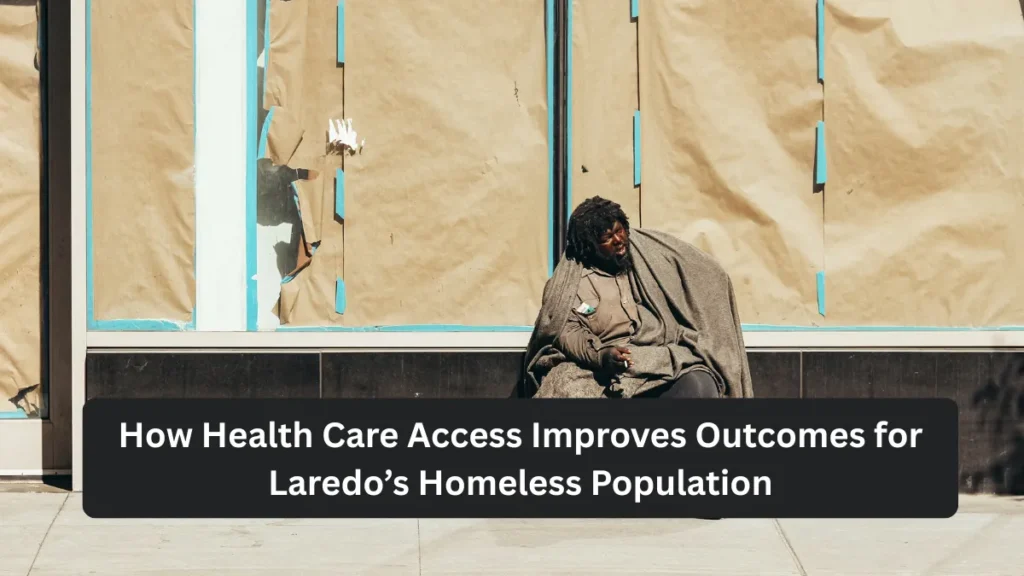
Homelessness is often perceived solely as a lack of shelter, but its effects extend far beyond a physical roof over one’s head. Individuals experiencing homelessness face profound challenges, from mental health struggles and substance use issues to social isolation and barriers to stable employment. Employment is more than just a paycheck; it represents independence, dignity, and a pathway out of poverty.
In Laredo, Texas, innovative programs and community-driven initiatives are transforming how homeless individuals gain access to jobs, offering hope and opportunity where systemic obstacles once prevailed. Understanding these approaches provides insight into effective strategies communities can adopt nationwide.
 Collaboration and Compassion: The Power Behind Laredo’s Homeless Coalition
The Connection Between Homelessness and Employment
Unemployment and homelessness are closely linked, creating a cyclical trap for many individuals. Without a stable income, securing housing becomes nearly impossible. At the same time, without an address, phone number, or reliable transportation, finding and maintaining employment is extremely difficult. Laredo’s approach recognizes this cycle and addresses the root barriers holistically rather than focusing only on temporary shelter solutions.
Homeless individuals often face discrimination in hiring due to stereotypes or gaps in employment history. Many employers require identification, banking information, or verifiable references—requirements that are difficult for someone living on the streets to provide. These systemic barriers compound personal challenges, creating an environment where people struggle to regain independence and stability. Laredo’s programs aim to dismantle these obstacles by combining practical support, mentorship, and direct employment pathways.
Community Programs Bridging the Gap
Laredo has established multiple initiatives aimed at equipping homeless individuals with the skills, confidence, and resources necessary to enter the workforce. One cornerstone of this effort is community-based workforce programs that offer training in essential skills such as resume building, interview preparation, and professional communication. These programs also provide guidance on workplace expectations and interpersonal dynamics, which are often overlooked but critical for long-term employment success.
For example, some programs collaborate directly with local businesses to create tailored employment opportunities. Instead of placing participants in generic job roles, coordinators assess individual skills, interests, and personal circumstances to match them with positions that are realistic and sustainable. By aligning training with actual employer needs, these programs not only enhance the likelihood of job placement but also ensure that participants develop skills that are valuable in the long term.
 Emergency Assistance Programs Offering Hope to Laredo’s Homeless
Additionally, partnerships with local shelters and social service agencies provide holistic support. Individuals can access mental health counseling, substance use recovery programs, and healthcare services alongside job training. This integrated approach recognizes that employment success is often contingent upon overall personal stability. Laredo’s model demonstrates that addressing the root causes of homelessness increases the effectiveness of employment initiatives.
Employer Engagement and Incentives
Another critical aspect of Laredo’s strategy is the engagement of local employers. Building relationships with businesses is essential because employment opportunities require a willing workforce. Community organizers work with companies to highlight the benefits of hiring individuals experiencing homelessness, emphasizing reliability, resilience, and the opportunity to contribute to social responsibility goals.
Some employers participate in incentive programs, such as tax credits or wage subsidies, which reduce the risk of hiring individuals with unconventional backgrounds. These incentives not only motivate businesses to participate but also create a sense of accountability to support the participants as they transition into the workforce. Through mentorship and guidance from program coordinators, employers are encouraged to provide a supportive environment, helping employees overcome challenges that may arise during the initial stages of employment.
Skill Development and Vocational Training
Equipping homeless individuals with marketable skills is crucial to long-term employment success. Laredo offers programs that focus on vocational training in sectors with high local demand, such as hospitality, construction, healthcare, and logistics. Training often includes certifications that are recognized by industry standards, providing participants with tangible qualifications that increase employability.
 Youth and Family Homelessness in Laredo: Programs That Provide Support
Soft skills development is equally important. Programs teach time management, professional etiquette, teamwork, and conflict resolution. By combining technical and soft skills, participants are prepared to meet workplace expectations and succeed in competitive environments. Some programs even simulate workplace scenarios to give participants firsthand experience, boosting confidence and reducing anxiety about entering professional settings.
Overcoming Transportation and Housing Barriers
Access to reliable transportation is a significant hurdle for homeless individuals seeking employment. Laredo’s initiatives address this challenge by providing transportation assistance, such as bus passes or shuttle services to training and job sites. In some cases, programs partner with ride-sharing companies to ensure individuals can consistently commute to work, minimizing disruptions and improving job retention rates.
Housing stability is another essential factor. Transitional housing programs in Laredo offer temporary accommodations while participants search for employment. This stability allows individuals to focus on job readiness without the constant stress of finding shelter. By addressing housing and transportation, the programs create a foundation that supports both initial employment and long-term career growth.
Success Stories and Real-Life Impact
The effectiveness of Laredo’s employment initiatives can be seen through real-life success stories. Individuals who were once living on the streets have transitioned into stable employment, secured permanent housing, and regained independence. These stories illustrate the transformative power of comprehensive support systems.
For example, one participant completed vocational training in the hospitality sector and was placed in a hotel management position. With mentorship and consistent support, this individual not only maintained employment but also advanced to a supervisory role within months. Another participant leveraged transportation assistance to attend a construction training program, ultimately securing a full-time position with benefits. These examples highlight the importance of targeted interventions that address both practical and emotional barriers.
Practical Tips for Communities Seeking to Replicate Laredo’s Model
Communities looking to replicate Laredo’s success can start by fostering collaboration among local businesses, social service agencies, and government programs. Building a network that shares resources, expertise, and opportunities is essential to creating a sustainable support system.
Investing in both technical and soft skills training ensures that participants are well-rounded and prepared for the workplace. Addressing barriers such as transportation, housing, and mental health is equally important to creating conditions where individuals can thrive. Finally, cultivating employer buy-in through incentives and education about the benefits of hiring previously homeless individuals strengthens the pathway to sustainable employment.
Long-Term Benefits for Individuals and Society
Supporting homeless individuals in finding employment has far-reaching benefits. For the individuals, it promotes self-sufficiency, stability, and improved mental and physical health. For society, it reduces the strain on social services, decreases crime associated with extreme poverty, and fosters economic growth through a productive workforce.
Programs like those in Laredo also help to challenge stigma and reshape public perception of homelessness. By highlighting the skills, resilience, and potential of individuals experiencing homelessness, communities can shift the narrative from one of deficit to one of possibility and empowerment.
Conclusion
Laredo’s approach to helping homeless individuals find employment demonstrates that sustainable change requires more than temporary shelter or basic aid. By addressing barriers such as skill gaps, transportation, housing, and employer engagement, these programs create pathways toward meaningful employment and long-term stability.
Communities seeking to replicate these outcomes must adopt holistic, collaborative strategies that combine practical assistance, mentorship, and empowerment. Employment is not merely a solution to poverty—it is a lifeline that restores dignity, independence, and hope. By investing in comprehensive programs, cities can break the cycle of homelessness and build stronger, more inclusive communities.
FAQs
How does Laredo help homeless individuals gain employment?
Laredo provides vocational training, soft skills development, housing support, and employer partnerships to help homeless individuals secure jobs.
What types of jobs are available through Laredo programs?
Participants can access jobs in healthcare, hospitality, construction, logistics, and other sectors with local demand.
How do Laredo programs address transportation barriers?
Programs offer bus passes, shuttle services, and ride-share partnerships to ensure participants can commute reliably to work.
Can homeless individuals receive housing while job hunting?
Yes, transitional housing programs provide temporary accommodation to support stability during job search and training.
Why is soft skills training important for employment?
Soft skills like teamwork, communication, and professionalism help participants succeed in workplaces and retain jobs long-term.