Homelessness is a complex and urgent social issue affecting communities across the United States, and Laredo, Texas, is no exception. While many associate homelessness with adults living on the streets, youth and family homelessness presents a unique set of challenges that require specialized attention. In Laredo, the combination of economic pressures, limited affordable housing, and systemic barriers contributes to rising numbers of families and young people experiencing homelessness. Addressing this issue is critical not only for the well-being of affected individuals but also for the health and stability of the broader community. By understanding the scope of the problem, residents, policymakers, and social service organizations can work together to implement meaningful solutions.
Youth homelessness in Laredo often stems from a variety of factors, including family instability, abuse, neglect, and economic hardship. Many young people experience periods of couch surfing, temporary shelters, or even living on the streets. Family homelessness, meanwhile, is often tied to job insecurity, high rental costs, or sudden crises such as medical emergencies. Children and teenagers in these situations face severe risks, including disrupted education, emotional trauma, and limited access to healthcare. For communities, this translates to long-term social and economic consequences if not addressed promptly.
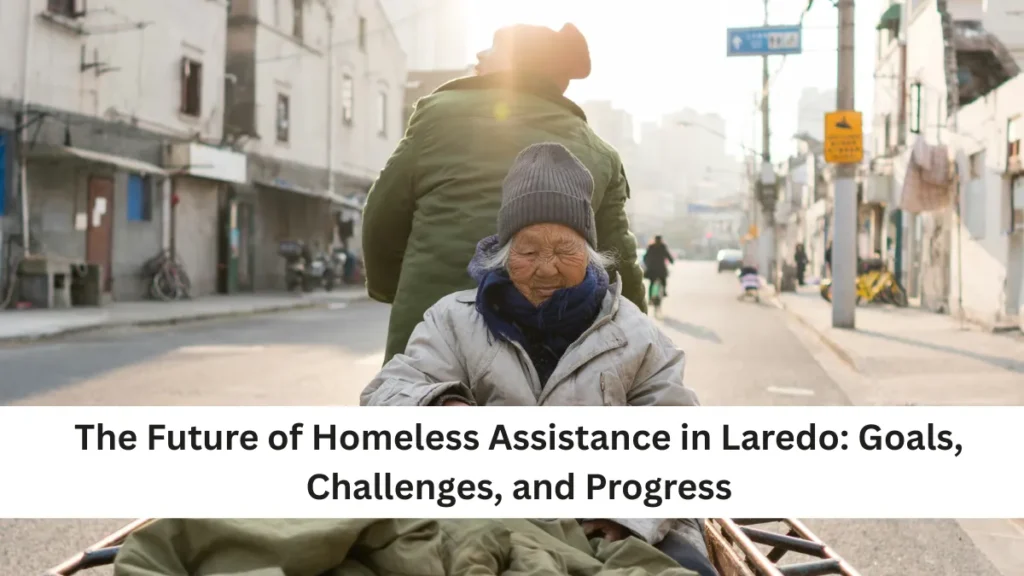
 Laredo’s Compassion in Action: How Community Drives Homeless Support
The Unique Challenges of Youth Homelessness
Youth experiencing homelessness face challenges that are distinct from those faced by adults. Adolescents and young adults may struggle with maintaining school attendance, navigating mental health issues, or finding employment. Many youths are reluctant to seek help due to fear of stigma, distrust of authorities, or concerns for their personal safety. In Laredo, cultural factors and limited youth-specific services further complicate access to support. Young people without a stable home may be forced into unsafe situations, increasing their vulnerability to exploitation, substance abuse, and long-term poverty.
Additionally, youth homelessness often goes underreported. Many young individuals avoid traditional shelters, opting instead to stay temporarily with friends, relatives, or in abandoned buildings. This “hidden homelessness” can make it challenging for social service providers and policymakers to accurately assess the needs of this population. As a result, targeted programs and outreach efforts are essential to identify and support these vulnerable youths effectively.
Family Homelessness: Causes and Implications
Families experiencing homelessness in Laredo often face multidimensional struggles. Economic instability is a leading cause, as many households cannot keep up with rising rents, utility costs, and other living expenses. Domestic violence, health crises, and sudden job loss can push families into temporary housing or shelters. The lack of affordable housing options exacerbates the issue, forcing many families to live in cars, motels, or overcrowded spaces. These conditions can have a lasting impact on children, who are at risk of developmental delays, poor academic performance, and social isolation.
The effects of family homelessness extend beyond immediate survival needs. Families living without stable housing frequently experience higher stress levels, mental health challenges, and difficulty accessing consistent medical care. Children in these households are particularly affected, as frequent relocations disrupt schooling, friendships, and access to extracurricular activities. These challenges highlight the critical need for programs that provide more than just temporary shelter—they must also offer holistic support, including education, counseling, and pathways to stable housing.
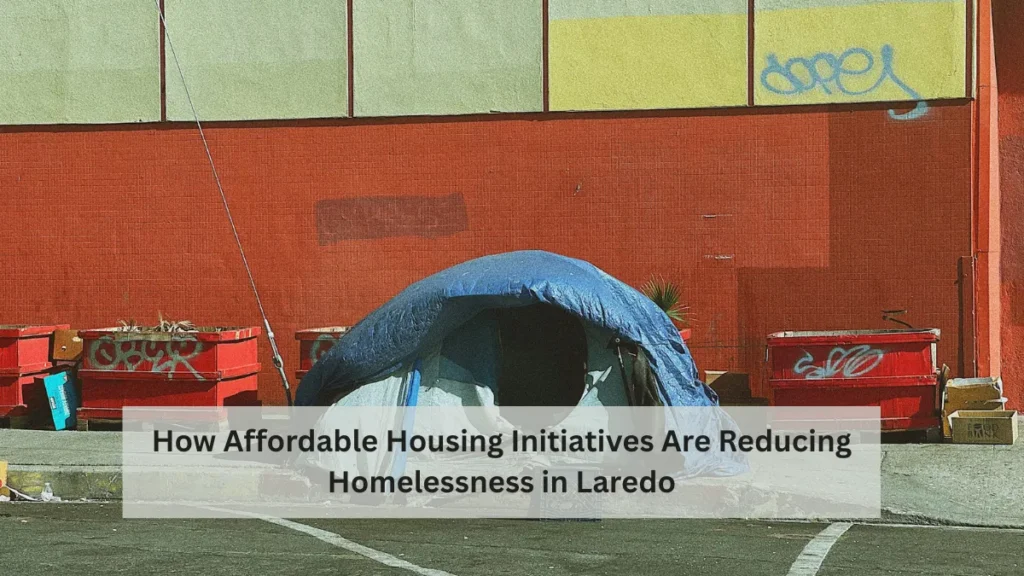
 The Economic Impact of Homelessness in Laredo and How to Address It
Programs Supporting Youth in Laredo
Laredo hosts a variety of programs designed to support homeless youth, aiming to address both immediate and long-term needs. Many programs provide emergency shelter, food, and clothing while simultaneously offering counseling and educational support. Youth-focused initiatives recognize the importance of fostering independence and life skills, helping young people transition to stable housing and employment.
Programs in Laredo often collaborate with schools and community organizations to reach youth who might otherwise fall through the cracks. Outreach efforts include connecting teens with mentors, providing access to tutoring, and facilitating social services such as mental health counseling. Some programs emphasize career readiness and vocational training, ensuring that young people develop the skills necessary for sustainable employment. These initiatives aim to break the cycle of homelessness by empowering youth to build stable and self-sufficient lives.
Family-Focused Programs in Laredo
Addressing family homelessness requires programs that support multiple generations simultaneously. Many Laredo organizations offer temporary shelters specifically for families, equipped with private or semi-private living spaces that provide safety and privacy. These programs prioritize both immediate relief and long-term stability, offering case management, employment assistance, and educational resources for both parents and children.
Family-focused programs also provide critical social and emotional support. Counseling and parenting classes help caregivers navigate the challenges of raising children under difficult circumstances. Nutrition and healthcare services ensure that families can maintain physical well-being while addressing the psychological impact of homelessness. By integrating practical support with emotional care, these programs help families regain stability and independence.
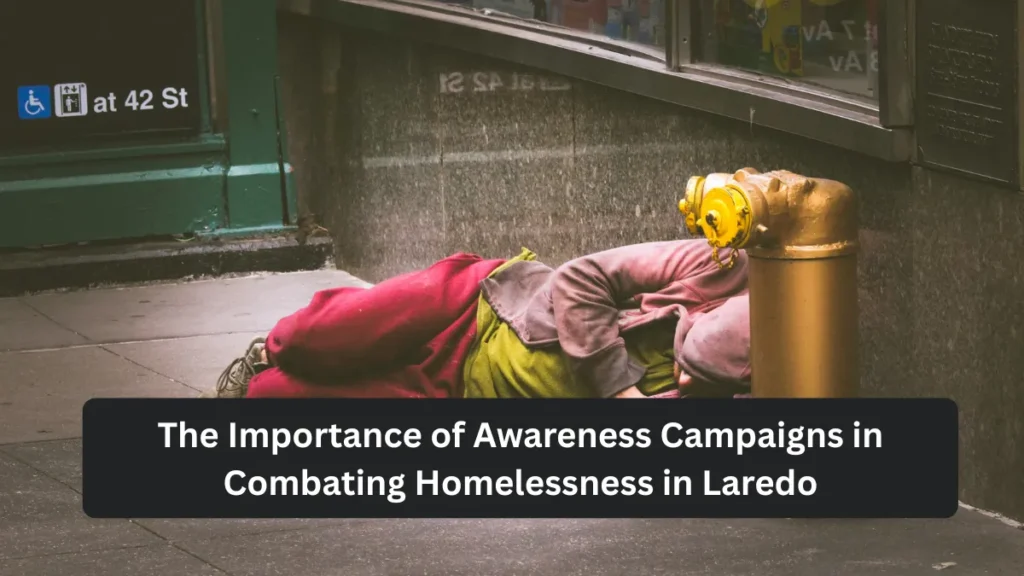
 How Emergency Housing Programs Are Changing Laredo’s Homeless Landscape
Collaborative Efforts and Community Involvement
Effectively addressing homelessness in Laredo requires collaboration between government agencies, non-profit organizations, and the broader community. Local organizations often partner with schools, hospitals, and social service agencies to provide a comprehensive safety net for youth and families. These collaborations help streamline access to services, reduce duplication of resources, and improve the overall effectiveness of support programs.
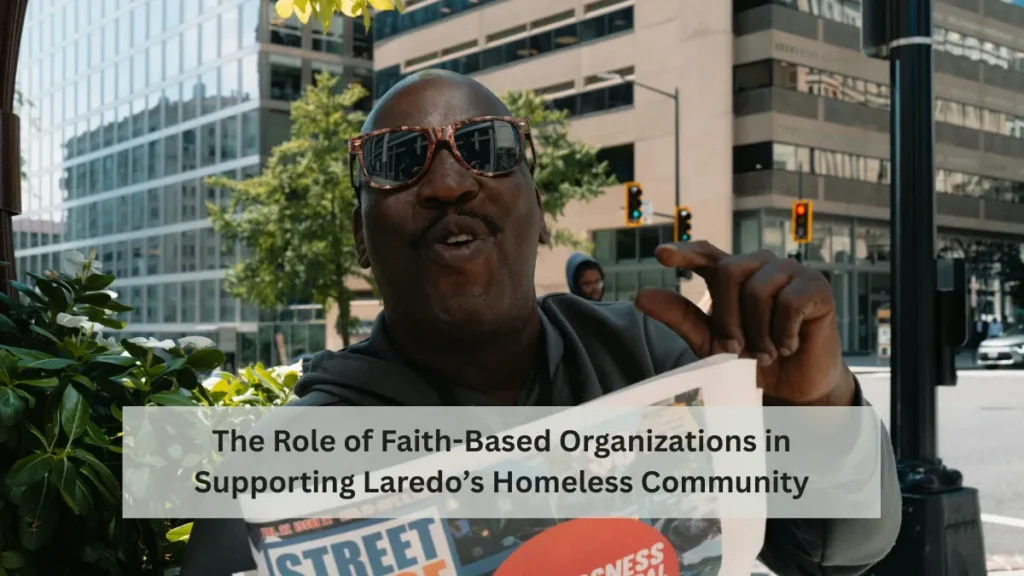
Community involvement plays a vital role in sustaining these efforts. Volunteers, donors, and local businesses contribute time, funding, and resources to support shelter operations, educational programs, and outreach initiatives. Public awareness campaigns also help reduce stigma, encouraging those experiencing homelessness to seek assistance without fear of judgment. By fostering a culture of empathy and engagement, communities in Laredo can create an environment where youth and families have the opportunity to thrive despite challenging circumstances.
Challenges Facing Support Programs
Despite significant efforts, programs addressing homelessness in Laredo face ongoing challenges. Limited funding, staffing shortages, and high demand for services can restrict program capacity. Additionally, systemic barriers, such as bureaucratic requirements and eligibility restrictions, may prevent some families and youth from accessing assistance. Geographic limitations also pose challenges, particularly for residents in areas with limited public transportation.
Cultural and language barriers can further complicate access to services. In Laredo’s predominantly bilingual community, programs must ensure that information and resources are accessible to both English and Spanish speakers. Addressing these challenges requires ongoing advocacy, policy changes, and innovative program design to ensure that support systems remain inclusive, efficient, and effective.
Actionable Steps for Families and Youth
Families and youth experiencing homelessness can take specific steps to connect with support services. Identifying local shelters, social service agencies, and non-profit organizations is an essential first step. Engaging with schools and community centers can also provide access to resources, including educational support, counseling, and food programs. Building relationships with case managers or social workers can help individuals navigate the complex system of assistance programs effectively.
In addition to seeking direct support, advocacy and community engagement can empower families and youth. Participating in local initiatives, volunteer opportunities, or awareness campaigns not only helps those in need but also fosters a sense of agency and belonging. Understanding one’s rights, maintaining documentation, and actively communicating needs to service providers can significantly improve access to support and increase the likelihood of long-term stability.
Long-Term Strategies for Reducing Homelessness
Addressing youth and family homelessness in Laredo requires a multi-faceted, long-term approach. Expanding affordable housing, increasing access to mental health services, and creating job training programs are essential components of a sustainable solution. Policy initiatives that address economic inequality, healthcare access, and domestic violence prevention can also play a critical role in reducing the risk of homelessness.
Education and preventive services are equally important. By supporting at-risk families early and providing youth with resources for resilience and self-sufficiency, communities can mitigate the factors that contribute to homelessness. Comprehensive strategies that combine immediate relief with preventive measures create the foundation for lasting change, helping youth and families not only survive but thrive.
Conclusion
Youth and family homelessness in Laredo represents a pressing social challenge with far-reaching consequences. The city has a range of programs and initiatives designed to provide immediate support and long-term solutions, addressing both practical and emotional needs. While significant obstacles remain, collaborative efforts between government agencies, non-profits, and the community are making a tangible difference in the lives of vulnerable residents. By understanding the scope of the problem, engaging with available resources, and advocating for systemic change, individuals and communities can help ensure that all youth and families have access to safe, stable, and supportive environments.
FAQs
What programs support homeless youth in Laredo?
Shelters, mentorship programs, educational support, counseling, and career readiness initiatives help homeless youth in Laredo.
How can families access support in Laredo?
Families can seek temporary shelters, case management, healthcare, and employment assistance through local programs.
What causes youth and family homelessness?
Economic hardship, domestic violence, job loss, health crises, and family instability are common causes of homelessness.
How can the community help reduce homelessness?
Volunteering, donating resources, raising awareness, and supporting local programs can aid homeless youth and families.
Why is early intervention important for homeless youth?
Early support prevents academic disruption, emotional trauma, and long-term poverty, helping youth build stable futures.