In the heart of South Texas, Laredo faces a pressing social and economic challenge: homelessness. While often perceived as a purely social issue, homelessness carries profound economic consequences that ripple across communities. Local businesses struggle with lost productivity, public services face higher costs, and the broader economy bears hidden financial strains. Understanding the economic impact of homelessness in Laredo is crucial for policymakers, community leaders, and residents seeking meaningful solutions.
This article explores the complex interplay between homelessness and the local economy, highlights real-world examples, and offers actionable strategies to mitigate its effects. By examining both the causes and consequences, readers will gain insights into how targeted interventions can strengthen the community while supporting vulnerable populations.
 How the Laredo Homeless Coalition Coordinates Citywide Relief Efforts
Understanding Homelessness in Laredo
Homelessness in Laredo is influenced by a mix of economic, social, and structural factors. Rising housing costs, limited affordable housing options, and employment instability push individuals and families into precarious living situations. Additionally, mental health challenges, substance abuse, and lack of access to healthcare compound the problem, creating a cycle that is difficult to break. According to recent estimates, hundreds of individuals in Laredo experience chronic or temporary homelessness, reflecting a pattern similar to other mid-sized American cities. Recognizing the local dynamics is essential for crafting policies that address the root causes rather than just the symptoms of homelessness.
The population affected by homelessness is diverse. While some individuals are newly experiencing homelessness due to sudden economic shocks, others face long-term challenges. Families with children, veterans, and older adults are particularly vulnerable. These groups often require tailored support services, such as transitional housing, job training, and mental health care, to regain stability. The complexity of homelessness in Laredo underscores why simplistic solutions, like temporary shelters alone, are insufficient to address the broader economic and social consequences.
The Economic Consequences of Homelessness
Homelessness has far-reaching economic implications for Laredo, affecting both public and private sectors. Local governments bear a significant financial burden as emergency services, law enforcement, and healthcare systems respond to crises linked to homelessness. Emergency room visits, hospitalizations, and mental health interventions are often more expensive than preventive care or long-term housing solutions. The repeated use of these services by homeless individuals strains municipal budgets and diverts resources from other critical community needs.
Businesses in Laredo also feel the economic impact. Homelessness can affect retail districts, reduce foot traffic, and create concerns about safety and sanitation. Entrepreneurs may experience higher operational costs related to security, waste management, or loss prevention. Additionally, local tourism can be affected if visitors perceive public areas as unsafe or poorly maintained. The economic ripple effect of homelessness extends beyond immediate financial costs, influencing long-term investment and growth potential within the city.
 Celebrating Volunteers: The Heart and Strength of Laredo’s Homeless Coalition
Another important dimension is workforce participation. Individuals experiencing homelessness often face barriers to employment due to lack of transportation, stable addresses, or access to professional networks. This underutilization of human capital reduces overall economic productivity and limits the ability of local industries to fill job vacancies. The cumulative effect is a less resilient and less competitive local economy, where both social and financial costs are magnified.
Health and Social Costs
Homelessness is not solely an economic problem; it is deeply intertwined with health and social welfare. Individuals without stable housing are more susceptible to chronic illnesses, infections, and mental health challenges. Preventive care is limited, and untreated conditions often escalate into emergencies, further straining public health systems. Mental health issues, in particular, require specialized interventions that are expensive and resource-intensive.
Social costs also manifest in education and community cohesion. Children experiencing homelessness are more likely to have interrupted schooling, affecting their long-term academic and career prospects. Communities may face increased crime rates or social tension when homelessness is concentrated in certain neighborhoods. These social consequences have direct and indirect economic effects, including higher public spending, reduced workforce readiness, and diminished property values. Addressing homelessness is therefore an investment not only in human welfare but also in the broader economic health of Laredo.
Strategies to Address Homelessness Effectively
Addressing homelessness requires coordinated strategies that combine housing, employment, healthcare, and social support. Housing-first initiatives, which provide stable housing before other interventions, have shown significant success in improving outcomes for homeless individuals. By offering immediate shelter coupled with supportive services, cities can reduce the reliance on costly emergency services while helping residents regain stability.
 Providing Hope: The Role of Case Management in Laredo’s Homeless Services
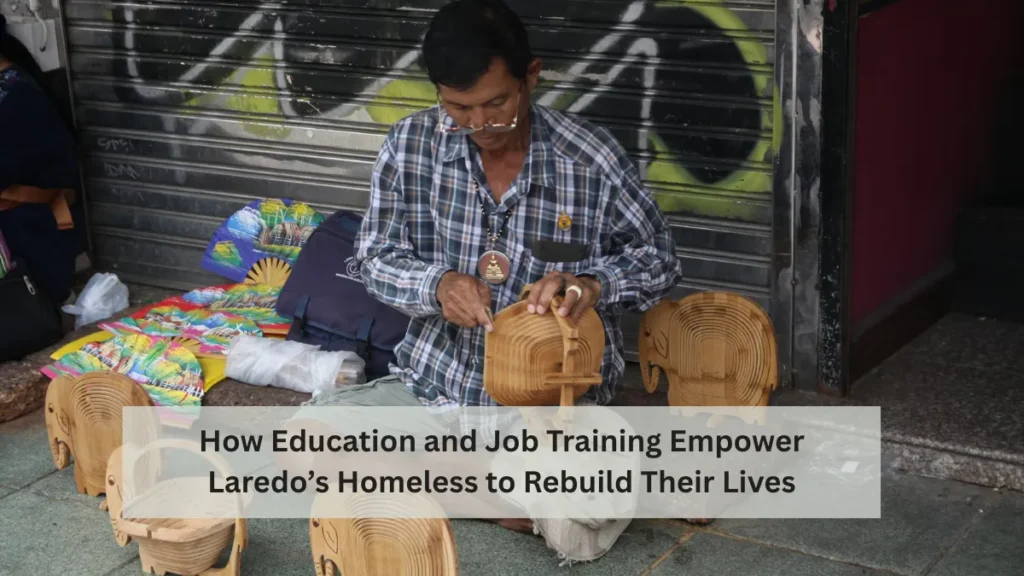
Employment and skills development are equally critical. Programs that offer job training, career counseling, and placement services empower homeless individuals to secure sustainable employment. Partnering with local businesses to create apprenticeship programs or incentivize hiring can strengthen the workforce and reduce economic dependency. Laredo’s economic growth can be supported by tapping into this often-overlooked labor pool.
Healthcare and mental health services must be accessible and comprehensive. Mobile clinics, community health centers, and integrated mental health programs ensure that individuals receive care before conditions escalate into emergencies. Preventive care not only improves individual well-being but also reduces long-term public expenditures. Additionally, social support networks, including peer mentors and community organizations, play a vital role in fostering resilience and reintegration into society.
Collaboration between government agencies, nonprofit organizations, and the private sector is essential. No single entity can address homelessness effectively on its own. Data-driven approaches, community engagement, and ongoing evaluation help ensure that interventions are efficient, impactful, and adaptable to changing needs. Policymakers must prioritize funding for evidence-based programs and remove regulatory barriers that hinder innovative solutions.
Case Studies and Success Stories
Across the United States, cities that have implemented comprehensive homelessness strategies demonstrate measurable economic and social benefits. For instance, housing-first models in cities like Salt Lake City and Houston have reduced chronic homelessness and lowered emergency service costs. These programs highlight the importance of stability as a foundation for recovery and economic participation.
In Laredo, small-scale initiatives have begun to show promise. Community organizations providing transitional housing, job readiness workshops, and mental health counseling are improving outcomes for participants. While challenges remain, these programs illustrate the potential for scalable solutions that simultaneously support vulnerable populations and strengthen the local economy. By learning from both local successes and national examples, Laredo can adopt a holistic approach tailored to its unique demographics and economic realities.
Moving Forward: Policy Recommendations
Policymakers in Laredo should adopt a multifaceted approach to homelessness. Increasing investment in affordable housing is a critical first step. Zoning reforms, public-private partnerships, and targeted subsidies can expand housing availability for low-income residents. In parallel, expanding workforce development programs ensures that individuals have pathways to sustainable employment.
Integrated healthcare services are another essential component. By coordinating physical, mental, and preventive care, municipalities can reduce costly emergency interventions while improving quality of life. Social services should be streamlined and accessible, reducing bureaucratic barriers that prevent homeless individuals from obtaining assistance.
Finally, community engagement is vital. Residents, business owners, and local leaders must be involved in designing and implementing solutions. Public awareness campaigns can reduce stigma and foster collaboration, ensuring that homelessness is approached not as a problem to be hidden, but as a societal challenge that requires collective action.
Conclusion
Homelessness in Laredo is both a social and economic issue with far-reaching consequences. From increased public spending and reduced workforce participation to health crises and social instability, the impact of homelessness touches every facet of the local economy. Addressing it requires comprehensive strategies that combine housing, employment, healthcare, and community support.
Evidence-based interventions, such as housing-first programs and integrated healthcare services, offer both economic and human benefits. By investing in sustainable solutions, Laredo can reduce the costs of homelessness while fostering a more inclusive, productive, and resilient community.
FAQs
What causes homelessness in Laredo?
Homelessness stems from housing costs, unemployment, mental health challenges, and limited access to social services.
How does homelessness affect Laredo’s economy?
It increases public spending, reduces workforce participation, impacts local businesses, and strains healthcare systems.
What is a housing-first approach?
Housing-first prioritizes stable housing before other interventions, improving stability and reducing long-term public costs.
How can Laredo improve homeless employment?
Through job training, career counseling, apprenticeships, and partnerships with local businesses.
Are healthcare services critical for homeless support?
Yes, accessible physical and mental healthcare reduces emergencies and lowers overall social and economic costs.