Every night in Laredo, Texas, dozens of individuals face the reality of sleeping without a safe place to call home. Beneath the surface of one of South Texas’s fastest-growing cities lies an urgent crisis—homelessness—that affects veterans, families, and the elderly alike. Many residents see the issue daily but feel uncertain about how to create real change. The good news is that individual voices in Laredo have power. By learning how to advocate for effective policies, support community programs, and influence decision-makers, residents can help shape a future where no one is left without shelter.
This article explores how people in Laredo can become active advocates to end homelessness. It provides actionable steps, local context, and proven strategies to help citizens engage with policymakers and community leaders. Readers will discover how civic participation, education, and collaboration can make a measurable difference in reducing homelessness across the city.
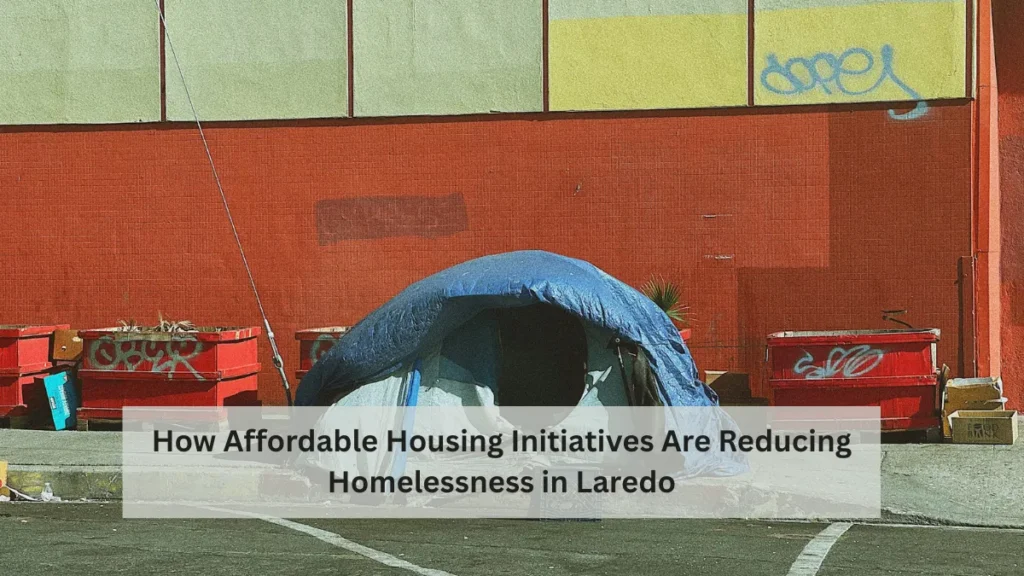
 How Affordable Housing Initiatives Are Reducing Homelessness in Laredo
Understanding Homelessness in Laredo
Homelessness in Laredo is a complex challenge driven by several factors, including poverty, lack of affordable housing, and unemployment. The city’s border location also contributes to unique circumstances, as transient populations and limited resources strain local services. According to local estimates, hundreds of residents face housing instability each year, with many living in cars, temporary shelters, or unsafe conditions.
What makes homelessness particularly concerning in Laredo is its invisibility. Unlike larger metropolitan areas, homelessness here is often hidden. Families double up with relatives or move from one motel to another, making the issue less visible but equally urgent. Recognizing the hidden nature of homelessness is the first step toward crafting policies that address both immediate needs and long-term solutions.
Why Advocacy Matters
Advocacy plays a vital role in addressing homelessness because it bridges the gap between those experiencing hardship and the institutions capable of creating systemic change. Policy advocacy in particular can influence how local governments allocate funding, design affordable housing initiatives, and support mental health or job training programs.
In Laredo, many nonprofits, religious organizations, and community groups already provide essential services, but they cannot solve the problem alone. Policy advocacy ensures that structural changes—like zoning reforms or budget allocations—complement direct assistance. When residents use their voices to influence local leaders, they help push for a coordinated response that addresses root causes rather than temporary fixes.
 The Importance of Awareness Campaigns in Combating Homelessness in Laredo
Building Awareness and Educating the Community
One of the most powerful ways to advocate for change is by raising awareness. When citizens understand the causes and consequences of homelessness, they are more likely to support long-term solutions. Laredo residents can start by educating friends, colleagues, and neighbors about the challenges homeless individuals face, from limited access to healthcare to barriers in finding stable employment.
Community education campaigns, neighborhood meetings, and social media outreach can all help dismantle stereotypes. Instead of viewing homelessness as a moral failing, the community can reframe it as an economic and social issue that requires compassion and coordinated policy. Sharing real stories and data helps humanize the issue, making it easier for policymakers to justify action.
Engaging Local Government
Meaningful advocacy requires direct engagement with city officials. Laredo residents can attend city council meetings, communicate with local representatives, and participate in public comment sessions where housing or social service budgets are discussed. Officials often respond positively to well-informed citizens who bring constructive solutions rather than criticism alone.
Residents should emphasize the importance of permanent supportive housing, affordable rental development, and mental health services. By presenting clear evidence—such as how housing-first programs reduce long-term costs—advocates can influence city policy decisions. Even small changes, like zoning updates that allow for mixed-income housing, can have a significant impact over time.
 How the Laredo Homeless Coalition Coordinates Citywide Relief Efforts
Supporting Affordable Housing Policies
Affordable housing is at the core of any strategy to end homelessness. In Laredo, rising rent prices and limited housing stock make it difficult for low-income families to find stable homes. Residents can support housing initiatives by advocating for inclusionary zoning, rent stabilization measures, and incentives for developers to build affordable units.
Local advocacy groups can also push for the use of public land for housing projects. Collaborating with local nonprofits and housing authorities helps amplify community voices and demonstrate broad support. When residents express their priorities clearly, local officials are more likely to invest in long-term housing solutions rather than short-term relief efforts.
Partnering with Nonprofits and Faith-Based Organizations
Laredo is home to numerous organizations that work tirelessly to help those in need, from food pantries to emergency shelters. Residents can strengthen advocacy efforts by forming partnerships with these groups. Volunteering, donating, and helping organize community events not only provide direct assistance but also build a unified network of advocates with shared goals.
These organizations often have established relationships with city officials, which means they can serve as valuable intermediaries in policy discussions. When local residents collaborate with service providers, they can align advocacy goals with on-the-ground realities, ensuring policies address actual community needs.
Encouraging Workforce Development and Education
A sustainable path out of homelessness involves not just housing, but also opportunity. Many individuals experiencing homelessness in Laredo struggle to find stable employment due to limited skills, education, or access to transportation. Advocates can push for policies that expand job training programs, apprenticeships, and educational opportunities for those at risk of homelessness.
Supporting workforce initiatives helps prevent homelessness by equipping people with tools for long-term stability. Residents can advocate for increased funding for vocational schools, adult education centers, and partnerships between local businesses and training programs. A stronger workforce contributes to a healthier, more self-sufficient community.
Prioritizing Mental Health and Substance Abuse Services
Many people experiencing homelessness also face mental health challenges or substance dependency. Without proper treatment options, they often cycle between shelters, hospitals, and the streets. Advocates can call for expanded mental health services in Laredo, including mobile crisis units, counseling centers, and rehabilitation programs.
By working to destigmatize mental health care, residents can encourage more compassionate policies. The inclusion of healthcare professionals in advocacy discussions helps ensure that proposed solutions are evidence-based and sustainable. Investing in mental health care not only saves lives but also reduces the overall strain on emergency services and shelters.
Mobilizing Youth and Educational Institutions
Engaging young people in advocacy efforts builds long-term momentum for change. Schools and universities in Laredo can play a major role by organizing awareness campaigns, community service projects, and student-led initiatives focused on homelessness prevention. When youth understand social responsibility early, they become the next generation of civic leaders.
Teachers and professors can also incorporate homelessness education into their curriculums, helping students analyze social policy, economics, and ethics. Encouraging academic research and innovation around affordable housing solutions can lead to fresh ideas that benefit the entire community.
Using Media to Amplify the Message
Media advocacy is another essential tool. Residents can write opinion pieces, share videos, or speak to local journalists to highlight both the causes of homelessness and the solutions available. Local newspapers and radio stations in Laredo often welcome community-driven stories that focus on public welfare.
By sharing accurate, empathetic narratives, advocates can shift public perception and build broad-based support for policy reform. The goal is not to assign blame but to emphasize shared responsibility and the power of collective action. Consistent messaging across multiple media platforms can inspire others to get involved and influence decision-makers at every level.
Overcoming Common Barriers to Advocacy
Some residents may hesitate to advocate for homelessness policies due to time constraints, lack of knowledge, or skepticism about whether their voice matters. Overcoming these barriers begins with small steps. Even one letter to a city official, one public meeting, or one social media post can spark larger movements.
Advocates can also form small working groups to share responsibilities, learn about policy processes, and stay informed about local developments. Persistence is key—systemic change rarely happens overnight, but every action builds momentum. Laredo’s history of community solidarity provides a strong foundation for this kind of collective effort.
Conclusion: A Community Path Toward Change
Ending homelessness in Laredo requires more than temporary fixes—it demands compassion, coordination, and a long-term vision. Each resident has a role to play, from supporting affordable housing initiatives to engaging in city policy discussions. Through advocacy, education, and collective effort, Laredo can move closer to a future where every person has a place to live with dignity and safety.
Real progress begins when citizens refuse to accept homelessness as inevitable and instead see it as a solvable problem. By amplifying their voices, Laredo residents can drive meaningful policy reform and ensure that no one in their city is left behind.
FAQs
How can I start advocating for homelessness solutions in Laredo?
Begin by learning about local issues, contacting city leaders, and joining community organizations focused on housing and social services.
What policies most effectively reduce homelessness?
Policies that combine affordable housing, mental health services, and workforce development create the most sustainable long-term solutions.
Are there volunteer opportunities for residents in Laredo?
Yes, local shelters, churches, and nonprofits welcome volunteers to assist with outreach, meal programs, and advocacy efforts year-round.
How can affordable housing impact homelessness rates?
Expanding affordable housing directly reduces homelessness by providing stable, long-term living options for low-income individuals and families.
Why is community advocacy so important in solving homelessness?
Advocacy ensures that local leaders hear citizens’ concerns, leading to better-funded programs and more inclusive housing and health policies.