Homelessness is one of the most pressing social issues in cities across the United States, and Laredo, Texas, is no exception. For many residents, the challenges of finding stable shelter, accessing nutritious food, and receiving medical care are daily struggles. Yet, amid these difficulties, the Laredo Homeless Coalition has emerged as a vital force, coordinating citywide relief efforts that provide support, resources, and hope for those experiencing homelessness. Understanding how this coalition operates not only highlights the complexity of addressing homelessness but also offers insights into effective community-based interventions.
The importance of the Laredo Homeless Coalition lies in its ability to bring together multiple organizations, government agencies, and volunteers under a unified mission. By aligning resources, expertise, and outreach strategies, the coalition ensures that vulnerable populations receive timely and effective assistance. For readers, this article provides a detailed look at the coalition’s structure, initiatives, challenges, and the measurable impact of its work, offering both inspiration and practical guidance for similar efforts in other communities.
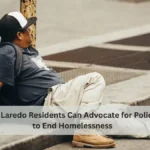 How Laredo Residents Can Advocate for Policies to End Homelessness
Understanding the Mission of the Laredo Homeless Coalition
At its core, the Laredo Homeless Coalition exists to create a coordinated, sustainable approach to homelessness relief. The coalition recognizes that homelessness is not merely about the absence of a home; it involves interrelated issues including mental health, substance abuse, unemployment, and lack of access to social services. Its mission is therefore multi-dimensional, combining direct aid with long-term solutions that address the root causes of homelessness.
By fostering collaboration, the coalition avoids the fragmentation that often plagues social services. Individual shelters or outreach programs, when operating independently, may duplicate efforts or leave gaps in care. The coalition’s approach emphasizes a citywide perspective, ensuring that every individual experiencing homelessness in Laredo has a pathway to support.
How Coordination Happens
Coordination within the Laredo Homeless Coalition is methodical and structured. Central to this effort is the establishment of a network that includes nonprofit organizations, local government departments, faith-based groups, and healthcare providers. Regular meetings and communication channels allow these entities to share data, plan outreach, and allocate resources effectively.
A key strategy is the use of a centralized database that tracks available shelter beds, medical services, and other support resources. This system enables coalition members to match individuals with appropriate services quickly, reducing the likelihood that someone will fall through the cracks. For example, if a homeless individual requires urgent medical attention, coalition coordinators can identify the nearest clinic that can provide care and arrange transportation, ensuring immediate intervention.
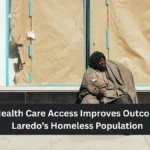 How Health Care Access Improves Outcomes for Laredo’s Homeless Population
The coalition also engages in citywide planning exercises to respond to seasonal and emergency challenges. During extreme weather events, for instance, they mobilize shelters and volunteers to accommodate increased demand. This level of preparedness reflects a commitment to both efficiency and human dignity, ensuring that vulnerable residents are never left unassisted.
Programs and Services Offered
The Laredo Homeless Coalition provides a range of programs designed to address both immediate needs and long-term recovery. These initiatives include temporary shelters, food distribution, health services, and employment assistance. Temporary shelters offer safe spaces for individuals to rest and access basic amenities, while meal programs ensure that nutritional needs are met consistently.
Healthcare services coordinated by the coalition are particularly critical. Many individuals experiencing homelessness face chronic illnesses or untreated mental health conditions. By partnering with local clinics and mobile health units, the coalition delivers preventive care, screenings, and mental health counseling directly to the community. This proactive approach reduces hospitalizations and improves overall well-being.
Employment support is another cornerstone of the coalition’s work. Programs that provide job training, resume assistance, and connections to local employers empower individuals to regain independence. By integrating skills development with housing and health services, the coalition addresses the systemic barriers that perpetuate homelessness, moving beyond temporary relief toward sustainable solutions.
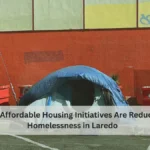 How Affordable Housing Initiatives Are Reducing Homelessness in Laredo
Engaging Volunteers and Community Partners
A defining feature of the Laredo Homeless Coalition is its ability to engage volunteers and local organizations in meaningful ways. Volunteers participate in outreach programs, distribute supplies, and provide mentorship to those transitioning out of homelessness. Their involvement not only expands the coalition’s capacity but also strengthens community solidarity and awareness.
Partnerships with faith-based organizations, schools, and civic groups further enhance the coalition’s reach. These partners contribute resources, expertise, and infrastructure that would be difficult for a single entity to provide. For example, local churches often host temporary shelters or donation drives, while schools may run awareness campaigns and provide volunteer opportunities for students. The coalition’s ability to unify these efforts ensures that the city’s response to homelessness is comprehensive and community-driven.
Challenges and Strategic Solutions
Despite its successes, the Laredo Homeless Coalition faces ongoing challenges. Limited funding, fluctuating volunteer availability, and the complexity of homelessness itself can strain operations. Additionally, societal stigma and misconceptions about homelessness may hinder engagement and advocacy efforts.
To address these challenges, the coalition emphasizes data-driven strategies and continuous evaluation. By tracking service utilization, demographic trends, and program outcomes, coordinators can identify gaps, optimize resource allocation, and advocate for additional support from city officials and donors. Education campaigns also play a role in reducing stigma, encouraging residents to support the coalition’s initiatives through volunteering, donations, or policy advocacy.
Another critical challenge involves integrating mental health and substance abuse services. Recognizing that these issues are often intertwined with homelessness, the coalition invests in specialized training for staff and partners, and collaborates with certified mental health professionals to provide comprehensive care. This integrated approach ensures that interventions address the whole person, not just immediate survival needs.
Impact on the Community
The Laredo Homeless Coalition’s coordinated approach has yielded measurable benefits. Individuals receiving support report improved health outcomes, greater stability, and increased access to employment opportunities. Shelters operate at higher efficiency, and citywide response times to crises have improved markedly.
The coalition also contributes to broader social and economic benefits. By reducing the number of unsheltered individuals and providing pathways to self-sufficiency, public health concerns are mitigated and community resources are used more effectively. Business owners, residents, and local officials often note improved quality of life in neighborhoods where coalition initiatives are active, highlighting the importance of a holistic approach to homelessness.
Actionable Tips for Communities Seeking Similar Impact
Other cities can learn from the Laredo Homeless Coalition’s model by prioritizing coordination, data management, and community engagement. Establishing a central coordinating body, developing partnerships across sectors, and leveraging volunteers and local institutions can significantly enhance relief efforts. Regular evaluation and adaptation, informed by data, are essential to sustaining impact and meeting evolving community needs.
Additionally, communities should consider integrating supportive services like mental health counseling, job training, and preventive healthcare into shelter programs. Addressing the root causes of homelessness alongside immediate needs creates pathways to long-term stability and reduces the cyclical nature of poverty.
Conclusion
The Laredo Homeless Coalition demonstrates the power of coordinated, community-driven efforts to address homelessness. By uniting organizations, volunteers, and local agencies, the coalition ensures that residents facing housing instability receive comprehensive support. From shelters and healthcare services to employment assistance and educational outreach, the coalition’s work addresses immediate needs while fostering long-term recovery and self-sufficiency. Cities and communities looking to replicate this success can draw valuable lessons from Laredo’s approach, emphasizing collaboration, data-driven planning, and holistic care.
Ultimately, the coalition’s impact extends beyond immediate relief. It strengthens social cohesion, promotes equity, and exemplifies how compassion, strategy, and coordination can transform lives.
FAQs
What is the main goal of the Laredo Homeless Coalition?
Its main goal is to coordinate citywide services for homeless individuals, offering both immediate aid and long-term solutions.
How does the coalition coordinate citywide efforts?
It connects nonprofits, government agencies, and volunteers using meetings, databases, and outreach planning.
What types of services does the coalition provide?
The coalition offers shelters, food distribution, healthcare, mental health support, and employment programs.
Can volunteers get involved with the coalition?
Yes, volunteers can assist with outreach, mentoring, supply distribution, and awareness campaigns.
How does the coalition measure its impact?
They track service usage, program outcomes, and community improvements to optimize and report their efforts.