Homelessness is a pressing concern that touches lives in every corner of the United States, and Laredo, Texas, is no exception. As a border city with unique social and economic dynamics, Laredo faces specific challenges in providing consistent and effective support to individuals experiencing homelessness. The issue is more than just a matter of shelter; it involves health care, employment opportunities, mental health services, and social integration.
Understanding the future of homeless assistance in Laredo is vital not only for residents but also for policymakers, social workers, and community advocates seeking long-term solutions. This article delves deeply into the city’s goals, the obstacles it faces, ongoing progress, and actionable insights for a more effective approach to homelessness.
 Providing Hope: The Role of Case Management in Laredo’s Homeless Services
Understanding the Scope of Homelessness in Laredo
Laredo’s homeless population is often underreported, but studies indicate that hundreds of individuals in the city struggle with housing instability. Factors such as low-income employment, limited affordable housing, substance use, mental health challenges, and migration patterns contribute to this complex issue. Many individuals experiencing homelessness in Laredo are transient or live in shelters, temporary accommodations, or even vehicles. Unlike larger metropolitan areas, Laredo faces unique constraints due to its smaller municipal infrastructure and limited funding streams for homeless services.
The significance of addressing homelessness extends beyond individual welfare. Homelessness can exacerbate public health concerns, strain emergency services, and impact overall community safety. Addressing these issues proactively not only improves the quality of life for vulnerable individuals but also benefits the broader community by reducing long-term societal costs.
Goals of Homeless Assistance Programs in Laredo
The city of Laredo has outlined several key objectives to improve the lives of its homeless population. One of the central goals is to expand access to emergency shelters and transitional housing. By ensuring that individuals have a safe place to stay, the city hopes to reduce the immediate dangers associated with street homelessness, including exposure to extreme weather, violence, and health risks.
Another significant goal is to integrate supportive services with housing solutions. Programs aim to provide mental health counseling, substance use treatment, job training, and social services alongside housing assistance. This holistic approach recognizes that homelessness is rarely caused by a single factor and that long-term stability requires addressing underlying challenges.
 How Affordable Housing Initiatives Are Reducing Homelessness in Laredo
Laredo also emphasizes community engagement and partnerships. Nonprofit organizations, faith-based groups, and local government agencies are encouraged to collaborate to create a more coordinated and efficient system of care. By pooling resources and expertise, these partnerships can maximize the impact of assistance programs and ensure that services reach those most in need.
Key Challenges Facing Homeless Assistance in Laredo
Despite the city’s clear goals, there are several persistent challenges that complicate the delivery of homeless assistance. Funding limitations remain a primary obstacle. While federal and state programs provide some financial support, local funding often falls short of covering the full spectrum of necessary services. Without sustainable funding, many programs struggle to expand or maintain the quality of care they provide.
Affordable housing shortages also pose a significant challenge. Rising housing costs and limited availability of low-income units make it difficult for formerly homeless individuals to secure permanent residences. This issue is compounded by barriers such as poor credit histories, past evictions, and lack of rental references, which often disqualify individuals from available housing options.
Another challenge is the high prevalence of mental health and substance use disorders among the homeless population. Many individuals require specialized care and ongoing treatment, but the availability of these services is often limited. Without adequate mental health and substance use support, even well-intentioned housing programs can fail to achieve long-term stability.
 Transforming Lives Through Compassion: Inside Laredo’s Homeless Support Network
Additionally, societal stigma and discrimination can prevent individuals from accessing services or reintegrating into the community. Homeless individuals frequently face biases in employment, healthcare, and public interactions, which can hinder their ability to rebuild their lives and sustain independence.
Progress and Innovative Approaches
Despite these challenges, Laredo has made notable progress in recent years. Emergency shelters have expanded capacity, and new programs are incorporating comprehensive support services. For example, some organizations now provide case management that includes medical care, counseling, and job placement assistance, recognizing the importance of addressing multiple needs simultaneously.
Technology is also playing a role in improving homeless assistance. Data-driven approaches help identify high-risk individuals, track service usage, and allocate resources more efficiently. By leveraging information effectively, service providers can reduce duplication, respond faster to emerging needs, and measure program outcomes more accurately.
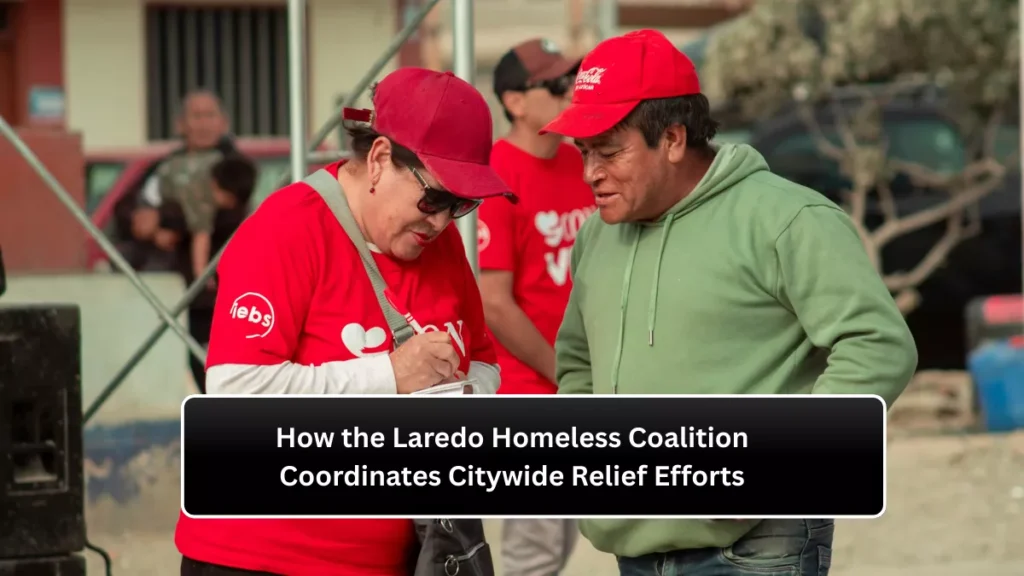
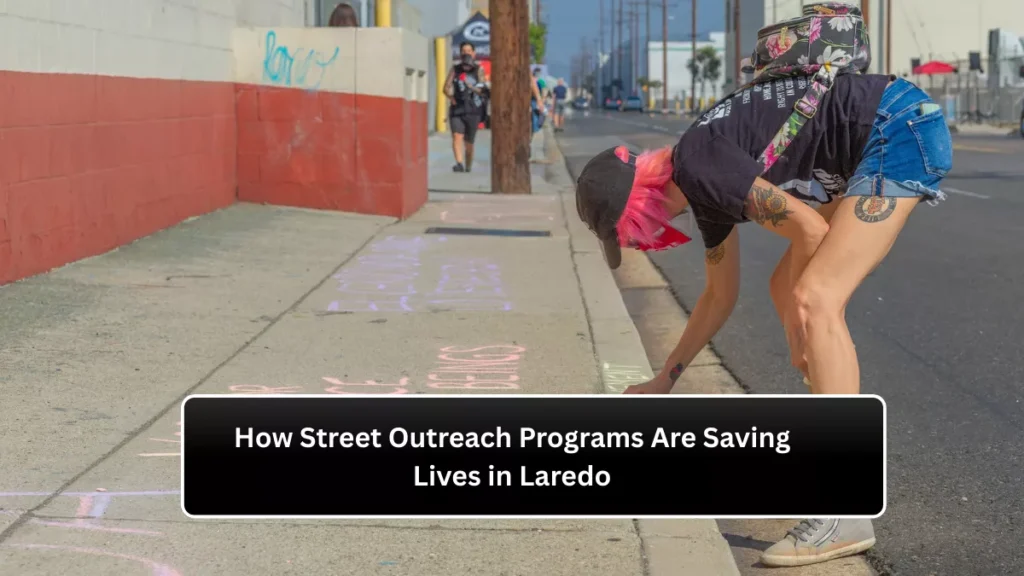
Furthermore, community engagement initiatives have strengthened local support networks. Volunteers, local businesses, and nonprofit organizations increasingly participate in outreach efforts, donation drives, and skill-building workshops. These initiatives not only provide immediate relief but also help foster long-term connections that can aid reintegration into society.
Another promising development is the city’s focus on preventive measures. Programs that assist at-risk populations, such as low-income families and individuals exiting incarceration, aim to prevent homelessness before it occurs. By providing rental assistance, employment support, and counseling, these programs help reduce the likelihood of individuals falling into homelessness.
Actionable Strategies for Enhancing Homeless Assistance
For homeless assistance in Laredo to continue evolving effectively, certain strategies can be adopted. First, increasing funding through public-private partnerships and local initiatives can ensure programs have the resources to provide both shelter and supportive services. By diversifying funding sources, the city can reduce dependence on inconsistent federal or state allocations.
Second, expanding affordable housing options is essential. Initiatives such as incentivizing developers to include low-income units, rehabilitating existing buildings, or utilizing vacant properties can help create more permanent housing opportunities for the homeless population. Additionally, flexible rental programs that consider individual circumstances can lower barriers to entry for those seeking stable housing.
Third, improving access to mental health and substance use services remains critical. Integrating these services into shelters and community centers can help ensure individuals receive consistent care. Training staff to recognize and respond to mental health crises, along with offering counseling and therapy options, can improve outcomes and reduce repeat episodes of homelessness.
Fourth, community awareness and education are vital. Reducing stigma surrounding homelessness through outreach programs, workshops, and public campaigns can create a more inclusive environment. When residents understand the complexities of homelessness, they are more likely to support solutions, volunteer, or advocate for policy changes.
Fifth, employing data-driven approaches can optimize resource allocation. Implementing systems to track program effectiveness, identify gaps, and predict emerging needs enables more strategic planning. With precise data, service providers can respond to trends proactively rather than reactively, increasing efficiency and impact.
Collaborative Efforts and Policy Implications
Homeless assistance in Laredo cannot succeed without collaboration. Local government, nonprofit organizations, healthcare providers, and the business community must coordinate their efforts. Shared goals, clear communication, and resource-sharing enhance the effectiveness of programs. Policies that facilitate collaboration, streamline service delivery, and remove bureaucratic obstacles are crucial to long-term success.
Additionally, policymakers should consider structural factors contributing to homelessness, such as wage stagnation, housing market pressures, and social inequalities. Addressing these root causes through legislative measures, community programs, and economic initiatives is essential to reducing homelessness sustainably.
Measuring Success and Future Outlook
Evaluating the effectiveness of homeless assistance programs requires both quantitative and qualitative measures. Tracking the number of individuals housed, employment obtained, and services utilized provides a clear picture of program impact. Equally important is understanding personal outcomes, such as improvements in mental health, self-sufficiency, and social integration.
Looking ahead, the future of homeless assistance in Laredo appears cautiously optimistic. Continued innovation, stronger collaborations, and increased funding can significantly enhance the city’s capacity to address homelessness. The integration of technology, preventive measures, and community engagement strategies positions Laredo to make meaningful strides in reducing homelessness and supporting individuals on their path to stability.
Conclusion
Homelessness in Laredo presents complex challenges, but the city’s commitment to progress offers hope. By expanding shelter options, integrating supportive services, fostering collaboration, and adopting innovative strategies, Laredo can improve outcomes for its homeless population.
Addressing this issue requires both immediate interventions and long-term solutions, from affordable housing initiatives to mental health and employment programs. For residents, policymakers, and advocates, the key takeaway is that holistic, coordinated approaches are essential to transforming lives and building a stronger, more compassionate community.
FAQs
How many people are currently homeless in Laredo?
Estimates suggest hundreds face homelessness in Laredo, though exact numbers vary due to transient populations and underreporting.
What types of services are offered to the homeless in Laredo?
Services include emergency shelter, transitional housing, mental health support, job training, and social assistance programs.
Are there affordable housing options for the homeless?
Laredo is expanding affordable housing, but shortages and eligibility barriers remain challenges for many individuals.
How does Laredo prevent homelessness among at-risk populations?
Preventive programs offer rental assistance, employment support, and counseling to low-income families and returning citizens.
What role does the community play in homeless assistance?
Community involvement includes volunteering, donations, skill-building workshops, and advocacy to support local programs effectively.