In the heart of Laredo, Texas, a growing number of people struggle each day with something most of us take for granted — access to clean water, soap, and a safe place to wash. For the homeless community, maintaining health and hygiene isn’t a matter of vanity; it’s a matter of survival. Without basic facilities, individuals face higher risks of infections, chronic illnesses, and social isolation.
As homelessness continues to rise in cities like Laredo, the need for comprehensive health and hygiene support becomes urgent. This article explores how the city and its partners are working to restore dignity, improve public health, and meet essential human needs for those living on the margins.
 How Street Outreach Programs Are Saving Lives in Laredo
Understanding Homelessness in Laredo
Homelessness in Laredo reflects a complex web of factors — from rising rents and unemployment to untreated mental health conditions and substance use disorders. Although Laredo’s homeless population is smaller than in larger Texas cities, the impact is deeply personal and visible. Many individuals live in temporary shelters, encampments near the Rio Grande, or in abandoned buildings where hygiene resources are scarce.
Health experts note that these living conditions increase vulnerability to infections, skin diseases, respiratory problems, and poor nutrition. Addressing homelessness in this context means addressing its roots while ensuring immediate access to clean, safe environments where health can be restored.
The Connection Between Hygiene and Health
Hygiene is more than cleanliness — it’s the foundation of physical and mental well-being. Without access to showers, restrooms, or clean clothing, people experiencing homelessness often face multiple health risks. Infections such as cellulitis, lice, and scabies spread quickly in unsanitary conditions. Oral health problems and foot infections are also common because people lack basic hygiene items like toothbrushes, soap, and clean socks. Poor hygiene can further complicate existing chronic diseases such as diabetes and asthma, creating a cycle of poor health that is difficult to break.
Medical professionals in Laredo emphasize that improving hygiene access is a public health necessity. When people can shower, wash their hands, and care for their wounds, they are less likely to require emergency medical care. It also reduces the spread of diseases in shelters and community spaces. Providing hygiene support not only saves lives but also lowers healthcare costs and fosters social reintegration.
 The Impact of Community Donations on Laredo’s Homeless Initiatives
Local Initiatives Offering Hygiene Support
Laredo’s community organizations have made significant progress in providing practical solutions for those without homes. Mobile hygiene units, for instance, have become a lifeline for many. These mobile trailers are equipped with showers, toilets, and sinks, allowing people to clean up safely and privately. Volunteers manage supplies and ensure sanitation standards are maintained. Such efforts go beyond hygiene — they offer compassion and human connection.
Homeless shelters in the city also prioritize access to clean facilities. They provide soap, towels, personal care kits, and laundry services for residents. In collaboration with local clinics, some shelters run wellness programs that include health screenings and vaccinations. The combination of hygiene services with medical care helps build trust between service providers and individuals in need, paving the way for long-term recovery and housing solutions.
Faith-based organizations and student volunteers have also stepped up to support hygiene outreach. Donation drives for soap, toothpaste, and sanitary products are frequent, and community members have embraced the idea that small contributions can lead to large impacts. By pooling resources, Laredo’s citizens demonstrate that improving hygiene access is a shared responsibility, not just a government task.
Health Outreach and Preventive Care
Cleanliness is often the first step toward preventive health. Once basic hygiene needs are met, individuals are more likely to seek medical attention and engage in treatment. Laredo’s public health workers recognize this link and have integrated hygiene access into their outreach models. Through street medicine programs, healthcare teams visit encampments and underserved areas, providing wound care, health checks, and educational resources about hygiene and nutrition.
 Celebrating Volunteers: The Heart and Strength of Laredo’s Homeless Coalition
Mobile health clinics operate in collaboration with social workers to offer screenings for blood pressure, diabetes, and infections. For people who rarely visit hospitals, these services make healthcare approachable and less intimidating. Beyond treating illnesses, the goal is to empower individuals to take charge of their well-being. Education on handwashing, menstrual hygiene, and disease prevention helps individuals protect themselves even when resources are limited.
In recent years, partnerships between healthcare providers and nonprofit groups have strengthened Laredo’s ability to respond to outbreaks. During flu and COVID-19 seasons, these alliances ensured that hygiene supplies and sanitation facilities were expanded. Lessons learned from these efforts continue to guide preventive health strategies today.
The Role of Mental Health and Dignity
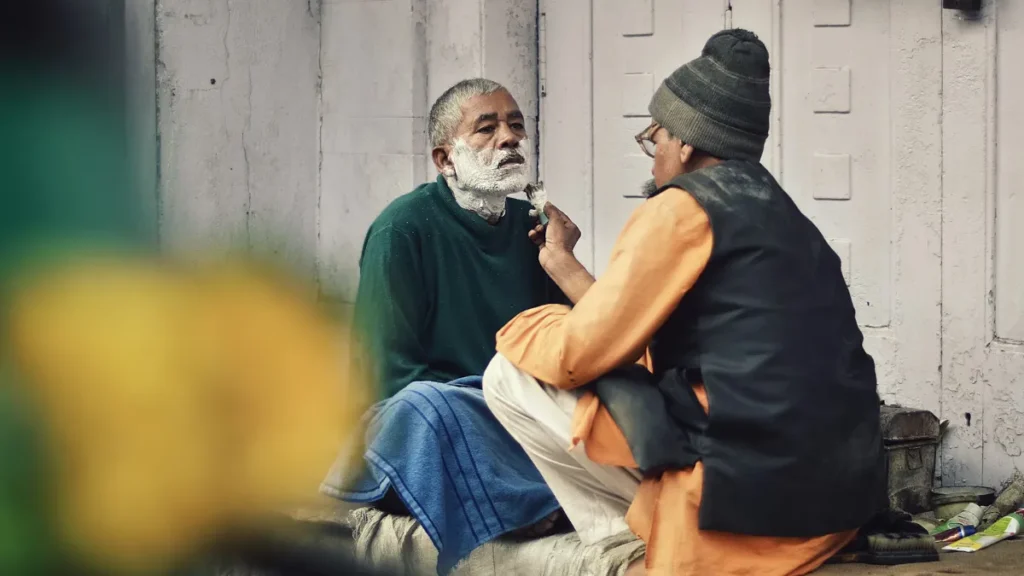
Hygiene is directly tied to human dignity. Being able to shower, change clothes, or brush teeth restores a sense of normalcy that can reduce anxiety and depression. For people who often feel invisible, being clean helps rebuild confidence and improve social interactions. Mental health specialists in Laredo note that small acts of care, like offering clean towels or a haircut, can be transformative for those struggling with homelessness.
The city’s homeless service providers integrate mental health counseling with hygiene assistance. Caseworkers use hygiene visits as opportunities to check on emotional well-being and connect individuals with therapy or substance use treatment. This compassionate, holistic approach helps rebuild trust in systems that may have failed them before. By valuing dignity as much as physical health, Laredo sets an example of how cities can humanize their care for vulnerable populations.
Challenges in Sustaining Hygiene Programs
Despite progress, maintaining consistent hygiene support for Laredo’s homeless population remains a challenge. Funding limitations, staffing shortages, and supply costs often disrupt long-term programs. Mobile hygiene units require maintenance and water supplies that can strain budgets. During extreme weather — scorching summers or flash floods — outdoor facilities become harder to manage safely.
Another barrier is accessibility. Not all homeless individuals can reach shelters or hygiene stations due to mobility issues or fear of stigma. Some prefer isolated living areas for safety or privacy, making it difficult for outreach teams to deliver consistent care. Cultural barriers and mistrust of institutions can also deter people from accepting help. Addressing these challenges requires sustained collaboration among local agencies, private donors, and community volunteers who share the mission of providing equitable care.
Community Collaboration and Long-Term Solutions
Sustainable solutions depend on unity between government, nonprofits, and citizens. The City of Laredo’s health department has initiated partnerships with housing agencies, churches, and businesses to expand access to hygiene and health resources. Plans include creating permanent hygiene hubs equipped with showers, restrooms, and medical offices, allowing individuals to meet multiple needs in one location.
Local universities also contribute through service-learning projects where students assist in health outreach and public health education. By involving youth and professionals in social care, Laredo is building a foundation for empathy and long-term civic responsibility. Beyond emergency assistance, these efforts encourage systemic change that focuses on prevention and reintegration rather than temporary relief.
Residents can further help by volunteering at shelters, organizing hygiene supply drives, or supporting employment training programs that empower homeless individuals to regain stability. A community-driven approach ensures that everyone plays a part in lifting one another. When society meets its most vulnerable citizens with understanding and respect, it strengthens the health and spirit of the entire city.
How Hygiene Access Improves Public Safety
Providing hygiene support isn’t just beneficial for the homeless — it improves overall community health and safety. When people can clean themselves and their surroundings, the spread of communicable diseases decreases dramatically. Cleaner environments reduce pest infestations and waste buildup in public areas, improving the city’s sanitation and air quality.
Moreover, hygiene access helps reduce stigma and discrimination. When individuals are able to maintain personal cleanliness, they find it easier to interact with employers, landlords, and healthcare workers. This in turn supports rehabilitation and reintegration into society. Communities that invest in hygiene infrastructure demonstrate compassion while promoting social stability and civic pride.
Moving Forward: A Vision for a Healthier Laredo
Laredo’s approach to homelessness continues to evolve with compassion and innovation. The city’s vision is clear — a future where no one is denied the right to basic hygiene and health. Expanding partnerships, securing sustainable funding, and prioritizing long-term housing are essential next steps. With continuous education and advocacy, more residents can understand that hygiene access is not a privilege but a fundamental human need.
For those experiencing homelessness, something as simple as a hot shower can represent hope — hope for recovery, dignity, and belonging. Through collective effort, Laredo can ensure that every individual, regardless of their circumstances, is treated with the care and respect they deserve.
Conclusion
Health and hygiene support for Laredo’s homeless community is more than an act of charity — it’s a moral and public health imperative. By combining medical care, education, and compassion, the city is taking meaningful steps toward restoring dignity and promoting wellness.
The journey ahead requires patience, resources, and empathy, but every clean hand and safe shower brings the community closer to equality. A healthier Laredo begins with recognizing that every person deserves the chance to feel clean, safe, and valued.
FAQs
Why is hygiene important for homeless individuals?
Hygiene prevents illness, boosts mental well-being, and helps restore dignity and self-confidence among homeless individuals.
What services are available in Laredo for homeless hygiene support?
Laredo offers mobile showers, shelters with restrooms, hygiene kits, and outreach programs for health and sanitation care.
How can the public help support hygiene programs?
Citizens can donate hygiene supplies, volunteer in shelters, and support organizations working to improve public health access.
What challenges do hygiene programs in Laredo face?
Funding shortages, weather conditions, and limited accessibility often make it difficult to maintain regular hygiene services.
How does hygiene support benefit the broader community?
Improved hygiene reduces disease spread, enhances public safety, and fosters compassion within the broader community.