In the heart of Texas, Laredo stands as a city known for its culture, history, and strong community values. Yet behind its vibrant streets lies a quiet struggle — the fight against homelessness. Every night, hundreds of individuals in Laredo face uncertainty about where they will sleep, what they will eat, or how they will rebuild their lives. This is not just a statistic but a reality that affects families, veterans, and individuals who have fallen through the cracks.
However, what truly defines Laredo is not just the scale of its challenges but the strength of its compassion. Across the city, a growing network of nonprofits, faith-based organizations, and community volunteers is working tirelessly to uplift those in need. Through coordinated outreach, housing initiatives, mental health support, and job training programs, Laredo’s homeless support network is transforming despair into dignity and rebuilding lives one person at a time.
 Laredo’s Compassion in Action: How Community Drives Homeless Support
This article explores how compassion-driven efforts are reshaping homelessness support in Laredo, what makes these programs successful, and how others can contribute to sustaining this life-changing mission.
The Scope of Homelessness in Laredo
Homelessness in Laredo is a multifaceted issue influenced by economic, social, and health-related factors. Rising housing costs, limited access to affordable healthcare, and a lack of stable employment opportunities contribute to an environment where some residents struggle to stay housed. According to local reports, the city’s homeless population has seen fluctuations over the years, with a noticeable increase in individuals facing chronic homelessness — those who have been without stable housing for extended periods due to underlying conditions such as mental illness or substance abuse.
The COVID-19 pandemic further strained resources, pushing many households to the brink of eviction. While federal and state relief programs provided temporary support, long-term solutions were still required. This crisis spurred community-driven responses that sought not just to shelter the homeless but to address the root causes of their situation. Laredo’s response stands as a testament to what a compassionate city can achieve when it acts collectively.
The Power of Collaboration: Building a Support Network
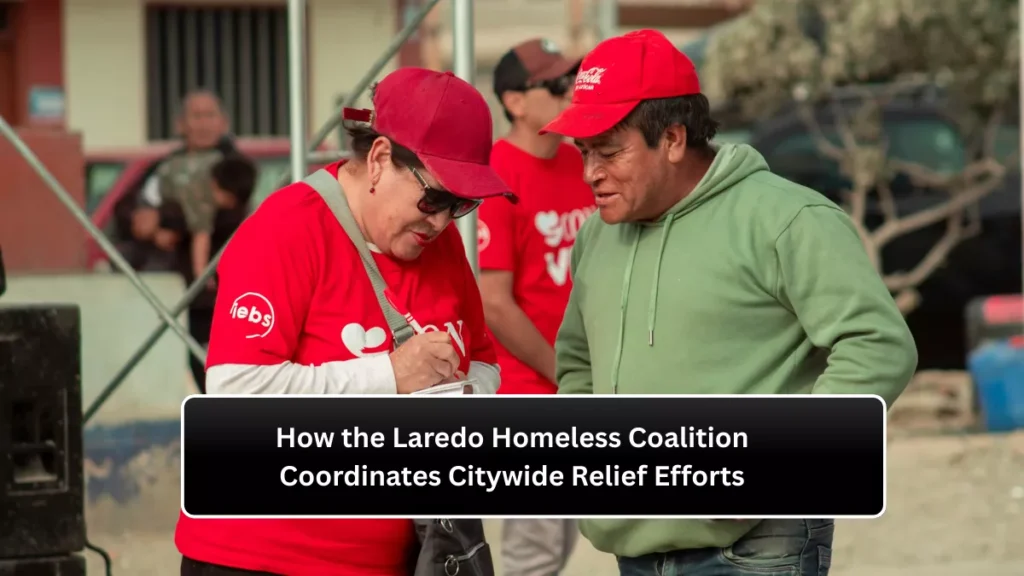
Laredo’s homeless support network is not one organization but a collaboration of many. Shelters, churches, outreach teams, and local businesses come together to share resources and coordinate care. This unity ensures that individuals do not fall through the gaps between services.
 How the Laredo Homeless Coalition Coordinates Citywide Relief Efforts
One of the defining features of Laredo’s approach is its holistic model. Instead of viewing homelessness purely as a lack of shelter, the city’s organizations treat it as a complex social issue requiring diverse solutions. Emergency shelters provide short-term refuge, while transitional housing programs help residents gradually regain stability. Meanwhile, mental health counselors, social workers, and medical volunteers provide critical wraparound services that address the psychological and physical toll of homelessness.
This collective effort has created a safety net where compassion is more than an emotion — it is a structured system designed to empower. The impact can be seen in stories of transformation, where individuals who once lived on the streets now hold jobs, reunite with family, and even volunteer to help others in similar circumstances.
Faith-Based Leadership: Compassion in Action
Faith communities have long been at the forefront of social care in Laredo. Local churches and religious organizations provide food, shelter, and clothing while offering emotional and spiritual guidance. These groups often serve as the first point of contact for those newly homeless or afraid to seek formal help.
Faith-based initiatives also excel in building trust. Many homeless individuals feel isolated or skeptical of institutions, but they are more likely to open up to compassionate volunteers who approach them without judgment. Through this trust, outreach workers can connect them to essential resources such as housing programs, rehabilitation centers, or job placement services.
 Winter Shelter Programs in Laredo: Keeping the Homeless Safe and Warm
Beyond immediate assistance, faith leaders advocate for broader social awareness. By hosting community drives, educational workshops, and charity events, they mobilize Laredo’s residents to contribute time, donations, and advocacy toward ending homelessness.
Addressing Root Causes: Beyond Shelter
Providing a bed for the night is only the beginning. Long-term recovery requires addressing the systemic factors that cause homelessness. Laredo’s support network emphasizes this by focusing on three key areas — mental health, employment, and education.
Mental health plays a crucial role in the cycle of homelessness. Many individuals suffer from untreated depression, trauma, or addiction, which can hinder their ability to secure and maintain stable housing. Local organizations have expanded counseling and rehabilitation programs, ensuring that mental health is treated with the same urgency as physical needs.
Employment and education are equally vital. Vocational training programs teach practical skills such as construction, culinary arts, and caregiving, enabling participants to secure sustainable income. These programs not only provide jobs but restore confidence and independence — essential ingredients for reintegration into society.
Women and Families: Protecting the Most Vulnerable
While homelessness affects all demographics, women and children face unique challenges. Domestic violence, financial instability, and lack of childcare often force women into homelessness. Laredo’s shelters have adapted to meet these needs with specialized programs that prioritize safety and empowerment.
Family shelters offer safe environments where mothers and children can stay together. Beyond immediate housing, they provide parenting workshops, education support for children, and access to healthcare. For women escaping abusive relationships, confidential assistance ensures they can rebuild their lives without fear.
These programs highlight the compassionate spirit of Laredo’s network — an understanding that every life deserves protection, and every family deserves a chance to heal.
Community Volunteers: The Heart of the Mission
At the core of Laredo’s homeless support network are volunteers who dedicate time, skills, and compassion to make change possible. From organizing food drives to conducting street outreach, volunteers play an essential role in bridging the gap between those in need and available resources.
Many volunteers describe the experience as transformative. Helping others not only impacts the lives of the homeless but also strengthens community bonds and fosters empathy. Volunteers often return with stories of resilience — individuals who, with a little support, were able to overcome immense challenges.
The city’s leadership continues to encourage residents to get involved. Whether through mentorship, donations, or simple acts of kindness, every contribution adds to the collective strength of the network.
Innovation and Future Goals
As Laredo’s support network grows, innovation has become a driving force. Technology and data collection help organizations better understand homelessness trends and allocate resources efficiently. Collaborative databases ensure that individuals receive continuous care even as they move between different service providers.
Future initiatives aim to expand affordable housing, create employment pipelines with local businesses, and strengthen healthcare access. The goal is not just to reduce homelessness temporarily but to make it rare, brief, and nonrecurring.
Another key focus is preventive education — teaching financial literacy, job readiness, and mental health awareness to at-risk populations. By addressing vulnerability before it leads to crisis, Laredo can create a sustainable model of compassion-driven prevention.
A Model for Other Cities
Laredo’s success lies in its commitment to unity and compassion. Other cities facing similar challenges can learn from this model — that real change requires collaboration, trust, and consistent care. Programs that humanize the homeless rather than stigmatize them can rebuild lives and strengthen entire communities.
By integrating faith-based compassion with professional social services, Laredo demonstrates that progress is possible even with limited resources. The lesson is clear: when people care deeply enough to act collectively, lives are transformed, and cities thrive.
Conclusion: Turning Compassion Into Change
Homelessness is one of society’s most visible reminders of inequality, yet it also reveals the capacity for kindness that defines humanity. In Laredo, compassion has evolved into organized action — a system where no one is left behind. From shelters and outreach teams to volunteers and local leaders, every part of the city contributes to the shared vision of hope.
The story of Laredo’s homeless support network is more than a tale of charity; it is a testament to resilience, empathy, and collective will. It shows that transformation begins when compassion is put into motion and that every small act of kindness can become part of a much larger wave of change.
For readers inspired by this movement, the message is simple: compassion is powerful, and together, we can all play a role in ending homelessness — one life at a time.
FAQs
What is the main goal of Laredo’s homeless support network?
To provide housing, care, and long-term solutions that restore independence and dignity for those experiencing homelessness.
How can residents of Laredo get involved in supporting the homeless?
By volunteering, donating essentials, or partnering with local shelters and community outreach programs.
What types of services do Laredo’s shelters provide?
They offer housing, meals, counseling, job assistance, and healthcare support to individuals and families in need.
How does the network help people find jobs or training?
Through vocational programs, mentorship, and partnerships with businesses that offer employment opportunities.
What future goals does the Laredo homeless network aim to achieve?
To expand affordable housing, improve healthcare access, and prevent homelessness through education and early intervention.