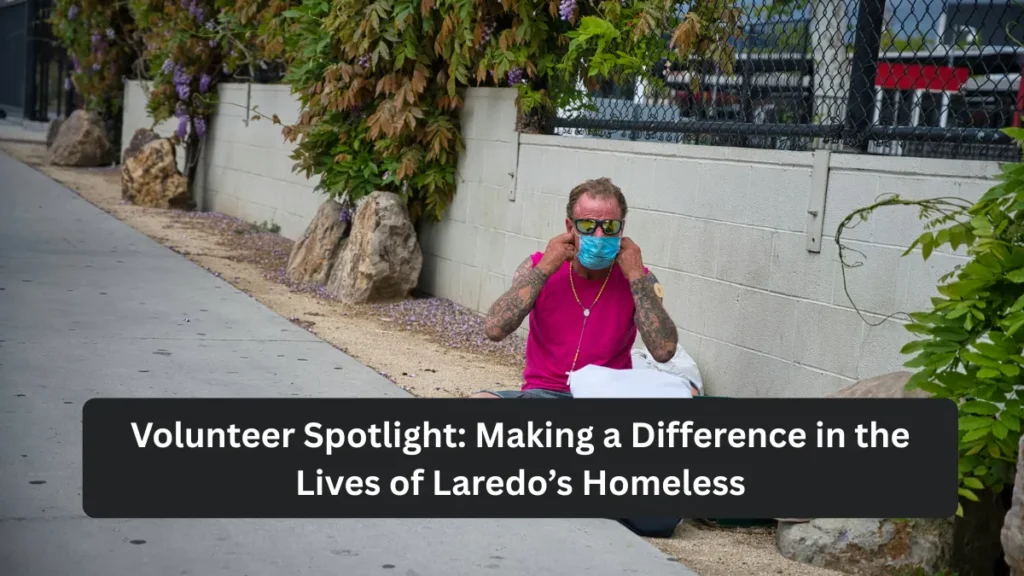
When winter arrives in Laredo, Texas, temperatures can drop unexpectedly, putting vulnerable populations, particularly those experiencing homelessness, at serious risk. While the city may not face the harsh northern cold, even mild winter chills can become life-threatening for individuals without safe shelter. Winter shelter programs in Laredo play a critical role in protecting these individuals, offering warmth, safety, and essential services.
Understanding these programs is vital not only for those in need but also for residents and organizations looking to support community efforts. This article explores the scope, operations, and impact of Laredo’s winter shelter programs, providing insight, practical guidance, and resources for effective engagement.
 Celebrating Volunteers: The Heart and Strength of Laredo’s Homeless Coalition
Understanding the Need for Winter Shelter Programs
Homelessness in Laredo, like in many urban areas, is a complex social challenge influenced by economic instability, housing shortages, mental health issues, and substance abuse. Even though Laredo experiences relatively mild winters compared to northern states, nights can dip into the 30s and 40s Fahrenheit, creating dangerous conditions for individuals exposed to cold weather. Prolonged exposure to low temperatures can lead to hypothermia, frostbite, respiratory complications, and other health emergencies. Winter shelter programs are specifically designed to mitigate these risks, providing temporary housing, meals, and access to medical and social support.
These programs are not just about warmth; they are about dignity, safety, and connection to broader social services. By centralizing care and resources, shelters create pathways for homeless individuals to access employment assistance, mental health counseling, and long-term housing solutions. The need for such programs becomes more acute during extreme weather events, prompting the city, nonprofits, and faith-based organizations to coordinate their efforts to maximize reach and effectiveness.
Types of Winter Shelter Programs in Laredo
Winter shelters in Laredo operate through multiple models to accommodate different needs. Emergency shelters provide immediate relief during particularly cold nights, often opening additional beds beyond regular capacity. These shelters prioritize quick access and safety, sometimes operating on a first-come, first-served basis. Transitional shelters, on the other hand, offer longer-term support, focusing on stability and skill-building. They often include case management services that help residents develop employment skills, secure permanent housing, and connect with healthcare providers.
Faith-based organizations contribute significantly to winter shelter efforts, leveraging local community networks to provide temporary beds, meals, and counseling. Many churches and community centers transform their facilities into safe havens during peak winter months. Additionally, collaborative programs between the city government and nonprofit agencies ensure that resources such as transportation, hygiene facilities, and medical care are available to those in need. The diversity of programs reflects a holistic approach, recognizing that homelessness cannot be addressed through shelter alone.
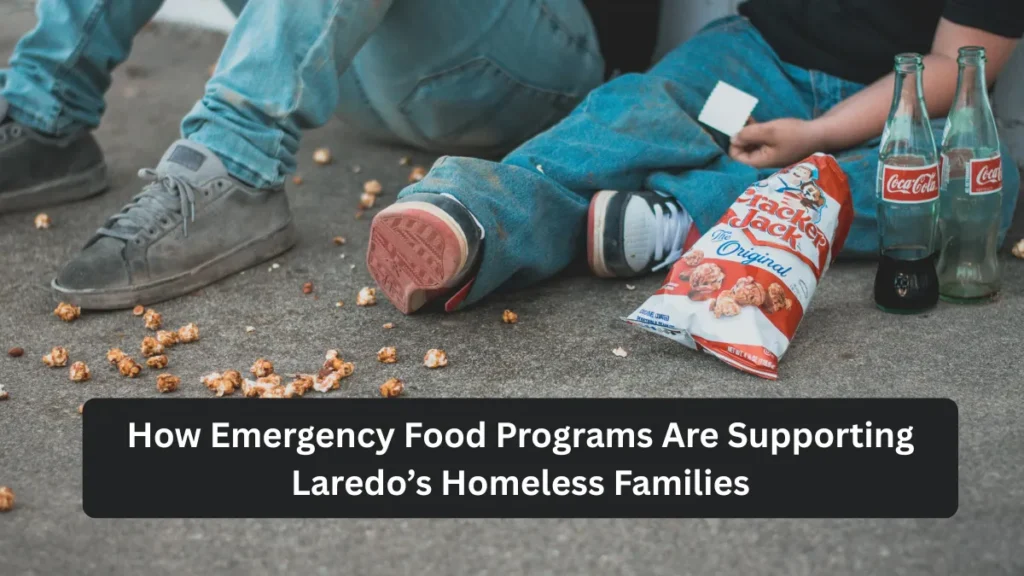
 How Emergency Food Programs Are Supporting Laredo’s Homeless Families
How Winter Shelters Protect Health and Safety
Winter shelters play a crucial role in protecting the physical and mental health of homeless individuals. Exposure to cold weather increases susceptibility to chronic illnesses, cardiovascular stress, and infections. Shelters provide a controlled environment with heat, clean bedding, and nutritious meals, reducing these health risks. Beyond physical protection, shelters offer mental health support. Many programs employ social workers and counselors who assist residents in managing anxiety, depression, and trauma, which are prevalent in homeless populations.
Safety is another essential aspect of shelter programs. Streets and public spaces can be dangerous at night, particularly for vulnerable individuals. Shelters reduce the risk of assault, theft, and other threats by offering secure and supervised environments. Staff and volunteers monitor facilities around the clock, ensuring that residents are protected and that emergencies are addressed promptly. This protective aspect fosters a sense of community and stability, often acting as a foundation for long-term recovery and reintegration.
Accessing Winter Shelter Services in Laredo
Accessing winter shelter services in Laredo typically involves coordination with local organizations, outreach programs, and city initiatives. Individuals seeking shelter are encouraged to connect with local outreach teams, social service agencies, or community centers that provide updated information about availability, intake procedures, and eligibility requirements. Many shelters maintain flexible admission policies to accommodate individuals regardless of background, health status, or personal circumstances.
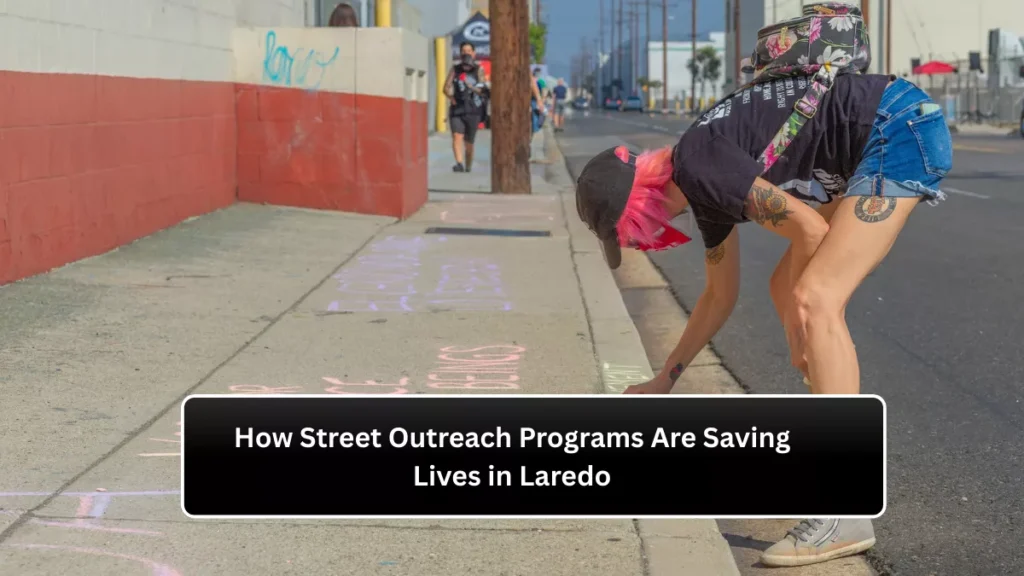
Outreach teams play a vital role in connecting with those who may not actively seek help. They provide information about shelter locations, transportation options, and the specific services offered. Some shelters also operate phone hotlines or social media channels to update the community about capacity and operating hours. For those assisting others, awareness of these access points is crucial, as timely guidance can prevent exposure to hazardous winter conditions.
 How Affordable Housing Initiatives Are Reducing Homelessness in Laredo
Challenges and Solutions for Winter Shelter Programs
Operating winter shelter programs in Laredo comes with unique challenges. Limited funding, fluctuating bed capacity, and the unpredictable nature of homelessness make planning difficult. During particularly cold nights or emergency weather events, shelters may reach full capacity, leaving some individuals at risk. Staffing and volunteer availability can also vary, affecting service consistency and program quality.
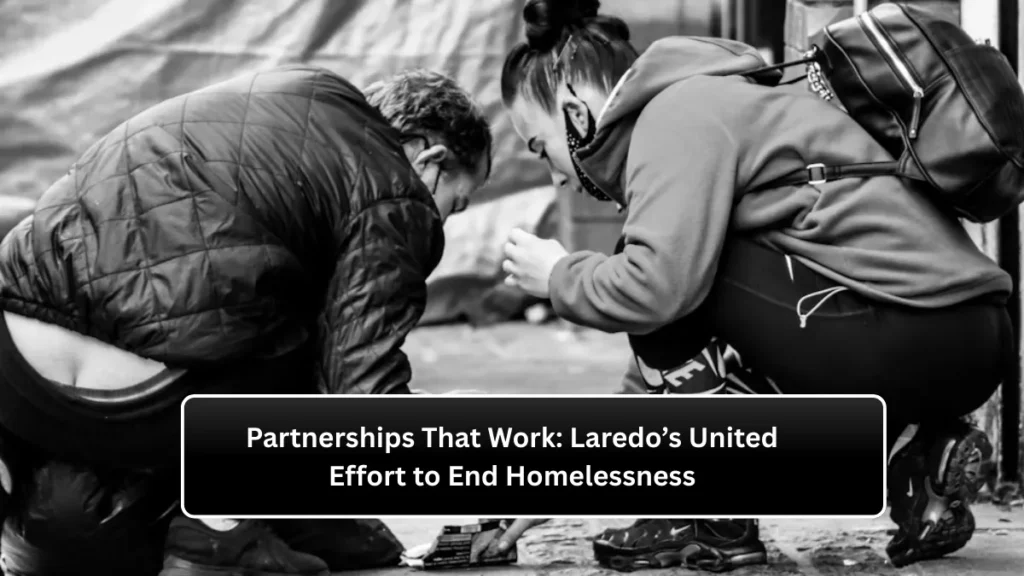
To address these challenges, many programs employ flexible strategies such as temporary warming centers, mobile outreach units, and partnerships with local businesses and faith-based groups. Fundraising campaigns and city budget allocations help secure essential resources like heating, bedding, and food. Additionally, coordination among multiple organizations ensures that gaps in services are minimized and that individuals can be redirected to available facilities efficiently. This collaborative approach strengthens the overall network of support, enhancing the resilience and effectiveness of winter shelter programs.
Community Engagement and Volunteer Opportunities
Community involvement is crucial for sustaining winter shelter programs. Residents, local businesses, and volunteers contribute by providing meals, clothing, bedding, hygiene supplies, and financial donations. Volunteers often assist with intake procedures, administrative tasks, and direct resident support, helping shelters operate efficiently and compassionately.
Engagement goes beyond material contributions. Awareness campaigns, advocacy efforts, and educational programs help shift public perception of homelessness, promoting empathy and understanding. By participating in these programs, community members play an active role in reducing winter-related risks for the homeless population. Organizations often provide training for volunteers to ensure that interactions are safe, respectful, and supportive, fostering positive outcomes for both residents and volunteers.
Long-Term Impact of Winter Shelter Programs
While winter shelters provide immediate relief, their long-term impact can be profound. Programs that integrate case management, employment support, and housing assistance contribute to sustainable solutions, helping residents transition out of homelessness. These initiatives reduce strain on emergency services, healthcare facilities, and the justice system by addressing root causes rather than symptoms alone.
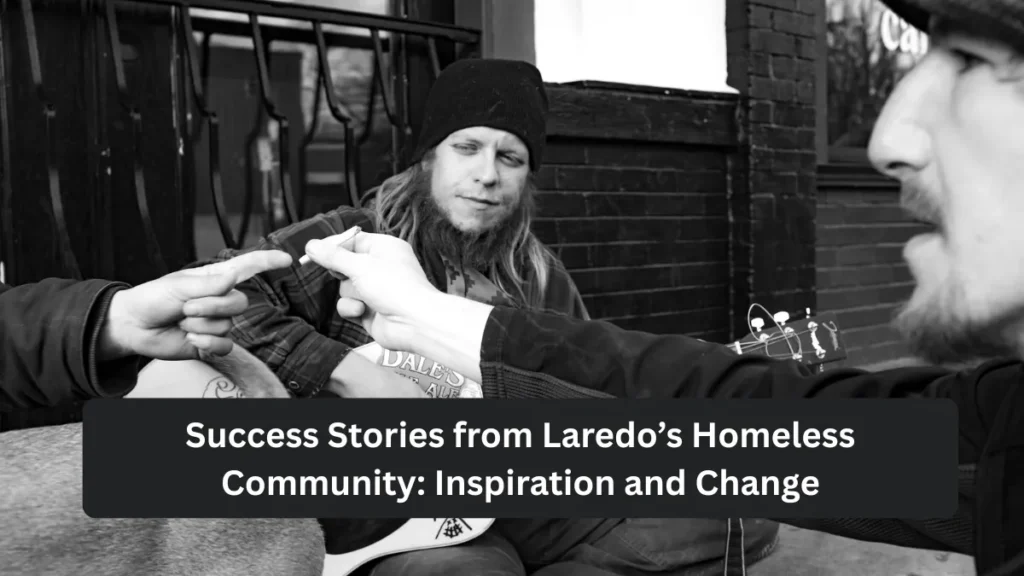
Success stories from Laredo demonstrate that consistent support and structured programs can transform lives. Individuals who engage with winter shelters often gain stability, access education or job opportunities, and rebuild social connections. The ripple effect extends to the broader community, as reducing homelessness improves public safety, economic stability, and community cohesion. By investing in comprehensive winter shelter programs, Laredo fosters an environment where vulnerable individuals can regain independence and self-sufficiency.
Conclusion
Winter shelter programs in Laredo are more than temporary accommodations; they are lifelines that protect health, safety, and dignity. These programs address immediate risks posed by cold weather while providing pathways to long-term stability through social services, employment support, and housing assistance. Residents, volunteers, and organizations all play a crucial role in sustaining these efforts, ensuring that no one is left vulnerable during the winter months. By understanding the importance, operations, and impact of these programs, individuals and communities can make informed decisions, provide meaningful support, and contribute to a safer, more compassionate city. Winter shelter programs exemplify how coordinated care, empathy, and proactive planning can save lives and empower those experiencing homelessness to move toward a more secure future.
FAQs
What are winter shelters in Laredo?
Winter shelters provide temporary housing, meals, and safety for homeless individuals during cold months.
Who can access winter shelter services?
Services are available to anyone experiencing homelessness, with flexible intake and minimal eligibility requirements.
How can residents support these programs?
Residents can volunteer, donate clothing, food, bedding, or provide financial support to shelters.
Are winter shelters only for nights with extreme cold?
Many operate year-round but expand capacity and services during cold months to meet increased demand.
Do shelters offer additional support beyond housing?
Yes, shelters provide medical assistance, counseling, job support, and pathways to permanent housing.