Homelessness is a complex issue that affects communities across the United States, and Laredo, Texas, is no exception. Every night, hundreds of residents find themselves without safe shelter, struggling to meet basic needs such as food, hygiene, and healthcare. Yet, in Laredo, a growing network of organizations, local government agencies, and community volunteers has begun to demonstrate that collaborative action can make a real difference. Understanding how Laredo tackles homelessness reveals practical strategies for other cities, as well as actionable steps for citizens who want to contribute to positive change.
Addressing homelessness is not just about providing temporary shelter; it’s about fostering stability, security, and opportunity. This article explores the partnerships that drive Laredo’s initiatives, the programs that have shown measurable success, and the lessons that other communities can learn from a city committed to ending homelessness. By the end, readers will understand not only why collaborative efforts matter, but also how they can engage with and support similar initiatives in their own areas.
 How Emergency Housing Programs Are Changing Laredo’s Homeless Landscape
Understanding the Scope of Homelessness in Laredo
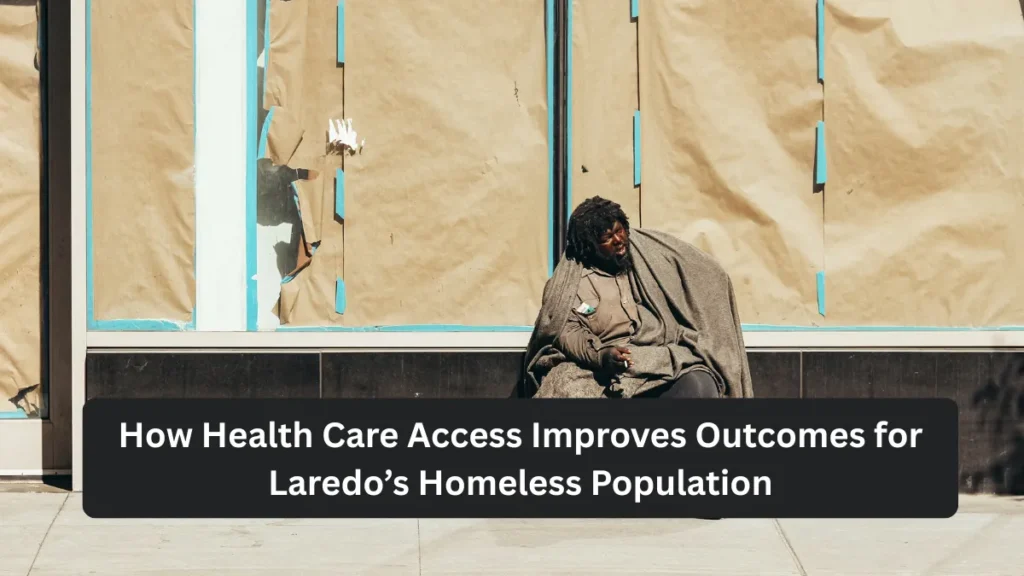
Laredo’s homeless population is diverse, encompassing single adults, families, veterans, and youth. According to local nonprofit reports, the city has seen fluctuations in the number of people experiencing homelessness, often tied to economic shifts, housing affordability, and health crises. Many individuals face additional challenges such as mental health issues, substance use disorders, or chronic medical conditions, making simple solutions insufficient.
A key step in Laredo’s strategy is accurately assessing the problem. The city participates in point-in-time counts and surveys to identify the needs of its residents. By gathering precise data, agencies can better allocate resources, identify gaps in services, and design programs that target the root causes of homelessness rather than simply addressing symptoms. This evidence-based approach ensures that partnerships are not only well-intentioned but also highly effective.
Collaborative Partnerships as a Cornerstone
Laredo’s approach to ending homelessness relies heavily on collaboration. No single organization can solve this complex social issue alone. The city has fostered partnerships among local government departments, nonprofit organizations, faith-based groups, healthcare providers, and even local businesses. Each partner brings unique expertise and resources, creating a network capable of addressing multiple facets of homelessness simultaneously.
For example, local shelters coordinate with health clinics to ensure residents receive medical care while they are housed temporarily. Educational programs for children living in shelters are linked with school districts to maintain continuity in learning. Job training and placement services partner with employment agencies and businesses, helping residents regain independence. This integrated approach reduces redundancy, maximizes resources, and creates a system of accountability where each organization supports the others toward a shared goal.
 Emergency Assistance Programs Offering Hope to Laredo’s Homeless
Innovative Programs Driving Change
Several programs in Laredo exemplify the impact of partnerships. One such initiative is the coordinated entry system, which prioritizes housing placements based on vulnerability. By centralizing intake and assessment processes, individuals are matched with resources more efficiently, reducing time spent on waiting lists and minimizing the risk of falling through the cracks.
Another key program focuses on wraparound services, which provide more than just a roof over someone’s head. Residents in transitional housing receive counseling, job readiness training, financial literacy education, and mental health support. This holistic model addresses the multiple factors contributing to homelessness, making long-term success more achievable.
Faith-based organizations also play a vital role, offering meals, clothing, and community engagement opportunities. Their deep-rooted connections with the local community help build trust and provide a sense of dignity for residents, which is essential for successful reintegration.
The Role of Local Government
The city of Laredo actively supports these initiatives through policy and funding. Local government agencies coordinate efforts across departments, streamline regulatory processes for shelters and housing projects, and provide grants to nonprofits working in the field. City leaders emphasize strategic planning, aiming not only to reduce visible homelessness but also to prevent it through early intervention programs.
 Youth and Family Homelessness in Laredo: Programs That Provide Support
Affordable housing development is a critical focus for the city. By leveraging public-private partnerships, Laredo has been able to increase the number of units accessible to low-income residents, reducing the long-term risk of homelessness. Additionally, emergency response planning ensures that vulnerable populations receive immediate support during extreme weather or public health crises.
Community Engagement and Volunteerism
Community involvement is another pillar of Laredo’s strategy. Volunteers play a significant role in delivering meals, mentoring youth, and providing administrative support for nonprofit organizations. Educational campaigns raise awareness about the realities of homelessness, dispelling misconceptions and encouraging empathy.
Public engagement also includes local businesses, which contribute funding, job opportunities, and in-kind resources. By creating a culture of shared responsibility, Laredo demonstrates that ending homelessness is not solely a government or nonprofit effort—it requires an active, caring community.
Measuring Success and Adapting Strategies
Accountability and transparency are essential to maintaining trust and ensuring programs are effective. Laredo employs regular evaluations of its homelessness initiatives, tracking metrics such as the number of people housed, the duration of homelessness, and residents’ access to supportive services.
Programs that show tangible results are scaled or replicated, while ineffective initiatives are revised or phased out. This iterative approach ensures that resources are invested wisely, that lessons are learned continuously, and that the city remains responsive to changing conditions. Evidence-based decision-making also enhances credibility with funders, community stakeholders, and residents themselves.
Lessons for Other Cities
Laredo’s experience offers valuable lessons for other communities confronting homelessness. First, collaboration is non-negotiable. Cities that silo services are less effective in providing comprehensive support. Second, data-driven decision-making allows agencies to target resources where they are most needed. Third, addressing the underlying causes of homelessness—such as mental health, substance use, and economic instability—is more sustainable than temporary solutions.
Finally, community engagement amplifies impact. When residents, businesses, and faith-based organizations invest in the cause, programs benefit from broader resources, volunteer support, and increased awareness, creating a culture of compassion that strengthens the social fabric of the city.
Practical Steps Residents Can Take
Individuals can support Laredo’s efforts in multiple ways. Volunteering time at shelters, mentoring programs, or food banks provides direct assistance to those in need. Advocating for affordable housing policies or supporting local nonprofits financially ensures that programs remain sustainable. Educating oneself and others about the realities of homelessness can foster empathy and reduce stigma, creating a more inclusive and supportive community.
Residents can also participate in local initiatives such as donation drives, community cleanups, or awareness campaigns. Small, consistent actions collectively make a significant difference, showing that tackling homelessness is not only a municipal responsibility but a shared societal commitment.
The Broader Impact
Reducing homelessness in Laredo benefits the entire community. Stable housing improves public health outcomes, reduces crime, and strengthens economic stability by allowing residents to contribute productively to society. Children who grow up in stable housing achieve better educational outcomes, breaking cycles of poverty and instability. By investing in comprehensive homelessness solutions, Laredo not only supports its most vulnerable residents but also builds a stronger, more resilient city for all.
Conclusion: A United Effort That Works
Laredo’s approach to ending homelessness illustrates the power of united effort. By fostering partnerships across government, nonprofit organizations, faith communities, and local businesses, the city addresses the multifaceted challenges of homelessness in a holistic and sustainable way. Programs that provide housing, supportive services, education, and employment opportunities show measurable results, while community engagement ensures that the effort is ongoing and inclusive.
The lessons from Laredo extend beyond city limits: effective collaboration, data-driven strategies, and a commitment to addressing root causes are essential components of any successful homelessness initiative. For residents, businesses, and organizations, the message is clear: ending homelessness requires collective action, compassion, and persistence. By embracing these principles, Laredo and other communities can transform lives, foster opportunity, and build a society where everyone has a safe place to call home.
FAQs
What types of partnerships help Laredo fight homelessness?
Collaborations among government, nonprofits, faith groups, and local businesses ensure comprehensive support for residents.
How does Laredo prioritize who receives housing first?
The city uses a coordinated entry system, prioritizing housing for the most vulnerable and those with urgent needs.
What services do wraparound programs provide?
Wraparound programs offer counseling, job training, healthcare access, and financial literacy for long-term stability.
How can residents support local homelessness efforts?
Volunteering, donating, advocating for policy change, and educating others all contribute to reducing homelessness.
Why is measuring program success important?
Tracking outcomes ensures resources are effective, programs improve over time, and trust is maintained with stakeholders.