In cities across the United States, homelessness remains a pressing social challenge, and Laredo, Texas, is no exception. As the city continues to grow, the number of individuals facing housing insecurity rises, placing significant strain on social services and community programs. What often gets overlooked is the critical role of community donations in shaping the effectiveness of homeless initiatives.
These contributions—from monetary gifts to essential goods—do more than provide immediate relief; they empower organizations to create sustainable programs, improve living conditions, and foster a sense of dignity among those experiencing homelessness. This article explores the profound impact of community donations on Laredo’s homeless initiatives, offering insights into why every contribution matters and how residents can make a meaningful difference.
 Collaboration and Compassion: The Power Behind Laredo’s Homeless Coalition
The Current State of Homelessness in Laredo
Understanding the impact of community donations requires first acknowledging the scale and complexity of homelessness in Laredo. According to local social service organizations, the city has seen a steady increase in individuals and families without stable housing over the past decade. Many of these individuals face multiple challenges, including unemployment, mental health issues, substance dependency, and lack of affordable housing.
Nonprofit organizations and city-supported programs are at the forefront of addressing these issues. Shelters provide temporary housing, while outreach programs offer food, medical assistance, and counseling. However, these programs often operate with limited budgets, making community donations essential. Without the generosity of local residents, many initiatives would struggle to meet demand, resulting in longer wait times, reduced services, and insufficient resources for those in need.
How Community Donations Enhance Shelter Programs
Shelter programs in Laredo rely heavily on community support to maintain daily operations. Monetary donations help cover essential expenses such as utilities, food, and staffing. Beyond the basics, donations enable shelters to offer more specialized services. For example, some shelters can provide job training programs, counseling sessions, and medical care, which are vital in helping residents transition out of homelessness.
Community contributions also allow shelters to expand their capacity. By funding renovations, acquiring additional beds, or opening satellite locations, donations directly impact the number of people who can receive immediate help. The ripple effect of such contributions is profound: a single donation can improve living conditions for dozens of individuals, reducing the risk of illness, injury, and long-term hardship.
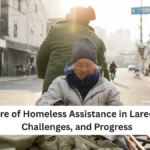 The Future of Homeless Assistance in Laredo: Goals, Challenges, and Progress
The Role of Nonprofit Organizations
Nonprofit organizations in Laredo play a central role in distributing donations effectively. These organizations are adept at identifying the specific needs of homeless individuals and tailoring programs accordingly. For instance, some nonprofits focus on providing clothing and hygiene products, while others concentrate on mental health support or educational opportunities.
Community donations give these organizations the flexibility to respond quickly to emerging challenges. During extreme weather events, for instance, nonprofits can mobilize resources to provide temporary shelter, warm clothing, and food supplies. This responsiveness underscores the importance of consistent community support, as unpredictable circumstances often demand immediate action.
Empowering Long-Term Solutions
While immediate relief is essential, long-term solutions are equally critical. Donations to Laredo’s homeless initiatives help fund programs designed to address root causes of homelessness. This includes job placement services, affordable housing initiatives, and educational programs that equip individuals with skills to achieve financial independence.
Investing in long-term solutions requires sustained funding, which community donations help provide. Regular contributions allow organizations to plan strategically, develop new programs, and measure their impact over time. As a result, donations do not just alleviate current hardship—they create pathways for lasting change, giving individuals the tools to break free from the cycle of homelessness.
 The Importance of Awareness Campaigns in Combating Homelessness in Laredo
Community Engagement Beyond Monetary Support
While financial donations are vital, community involvement extends beyond money. Volunteers play an essential role in Laredo’s homeless initiatives, from serving meals to providing mentorship and companionship. Donations of goods, such as clothing, bedding, and non-perishable food, are equally impactful. These contributions ensure that shelters and outreach programs can operate effectively while reducing costs, allowing monetary donations to be directed toward critical programs.
Community engagement fosters a sense of shared responsibility and empathy. When residents actively participate, they become advocates for change, raising awareness about homelessness and encouraging others to contribute. This social support network strengthens the city’s capacity to address homelessness and creates a more compassionate environment for vulnerable populations.
Real-Life Impact of Donations
The tangible effects of community donations in Laredo are evident in the stories of individuals who have benefited from homeless initiatives. For instance, a single mother who received temporary housing, job training, and counseling was able to secure stable employment and move into her own apartment. Similarly, donations of winter clothing have protected countless residents from extreme cold, while food contributions have prevented hunger for families struggling to make ends meet.
These real-life examples highlight a crucial point: community donations do not merely support programs—they change lives. Each donation, no matter the size, contributes to a broader network of care that offers hope, stability, and dignity to individuals navigating challenging circumstances.
Challenges and Opportunities
Despite the positive impact, challenges remain. Homelessness is a complex issue, and donations alone cannot solve it entirely. Limited awareness, inconsistent giving, and gaps in available resources can hinder the effectiveness of initiatives. However, these challenges also present opportunities.
By promoting transparency and accountability, organizations can build trust with donors and encourage more consistent support. Community education campaigns can highlight the ongoing needs of homeless individuals, motivating residents to contribute both financially and through volunteer efforts. Additionally, partnerships between nonprofits, local businesses, and government agencies can amplify the impact of donations, ensuring resources reach those who need them most.
How Residents Can Make a Difference
Every member of the Laredo community has the potential to contribute meaningfully. Beyond monetary donations, residents can support homeless initiatives by volunteering their time, organizing local drives for essential items, or advocating for policies that promote affordable housing and social services.
Understanding the needs of local organizations is key. Before donating, residents should consider consulting with nonprofits to identify high-priority items or programs. For instance, some shelters may urgently require hygiene products or winter clothing, while others may prioritize funding for job training or medical care. Targeted support ensures that donations have the greatest possible impact.
Building a Culture of Giving
Sustainable change in Laredo requires cultivating a culture of giving. Encouraging community members, schools, and businesses to participate in donation programs can create a robust support network. Local media and social platforms can play a role by highlighting success stories, raising awareness of needs, and celebrating the contributions of donors.
A culture of giving not only strengthens homeless initiatives but also fosters social cohesion. When residents see their neighbors actively contributing, it reinforces shared responsibility and collective action. This sense of community solidarity is essential in addressing systemic issues like homelessness, where collaborative effort is far more effective than isolated interventions.
Conclusion
Community donations are the backbone of Laredo’s homeless initiatives. They provide immediate relief, enable long-term solutions, and create opportunities for individuals to regain stability and independence. By contributing money, goods, or time, residents can have a direct and lasting impact on the lives of vulnerable individuals.
The effectiveness of these initiatives depends on consistent and informed support. Residents who understand the specific needs of local organizations, engage in volunteer work, and advocate for systemic change can amplify the benefits of their contributions. In doing so, Laredo can continue to strengthen its safety nets, ensuring that homelessness is addressed with compassion, strategy, and sustainability.
FAQs
How do community donations directly impact homeless shelters in Laredo?
Donations fund essential services, expand shelter capacity, and support programs that improve living conditions and aid transitions out of homelessness.
Can donations help with long-term solutions for homelessness?
Yes, contributions fund job training, educational programs, and affordable housing initiatives, helping individuals achieve lasting stability.
What types of donations are most helpful for homeless initiatives?
Monetary gifts, clothing, food, hygiene products, and volunteer time are all highly impactful and help organizations meet varied needs.
How can residents ensure their donations are used effectively?
Consult with local nonprofits to understand urgent needs and prioritize contributions for maximum impact and efficiency.
Why is community engagement beyond donations important?
Volunteering and advocacy strengthen programs, raise awareness, and create a compassionate support network for those experiencing homelessness.