Every city faces the challenge of homelessness, but not every community responds with compassion, structure, and purpose. In Laredo, Texas, the Homeless Coalition has become a symbol of unity and resilience. This organization doesn’t just provide temporary shelter—it helps individuals rebuild their lives through outreach, empowerment, and collaboration. Understanding how this coalition operates offers valuable lessons in how communities can come together to address homelessness effectively and sustainably.
As homelessness continues to affect people from all walks of life, the Coalition’s work demonstrates how compassion paired with organization can create lasting change. Readers will gain insight into how local efforts, when aligned with public participation and community-driven programs, can transform despair into hope.
 Breaking Barriers: How Laredo Helps Homeless Individuals Find Employment
The Mission Behind Laredo’s Homeless Coalition
At its core, Laredo’s Homeless Coalition aims to end homelessness by addressing both the immediate and underlying needs of the unhoused population. This includes providing emergency shelter, food, healthcare access, and pathways to stable employment. The Coalition’s approach is grounded in the belief that homelessness is not just a housing problem but a human one—requiring empathy, trust, and long-term support.
By coordinating efforts among nonprofit organizations, local government, and volunteers, the Coalition ensures that assistance reaches those who need it most. Their mission is driven by a simple yet powerful principle: everyone deserves dignity, safety, and the opportunity to rebuild.
Understanding the Causes of Homelessness in Laredo
Homelessness in Laredo stems from a complex mix of factors. Rising housing costs, limited affordable rentals, unemployment, and untreated mental health issues all contribute to the problem. Many individuals also experience family breakdowns, addiction, or domestic violence that push them into homelessness. In border communities like Laredo, migration and economic disparities further complicate these challenges.
The Coalition recognizes that these factors are interconnected. Its outreach programs are designed not just to provide temporary relief but to identify and resolve root causes. By collecting data, conducting assessments, and engaging with individuals directly, the Coalition tailors solutions that address personal circumstances rather than relying on one-size-fits-all aid.
 Partnerships That Work: Laredo’s United Effort to End Homelessness
Outreach That Transforms Lives
Community outreach is the heartbeat of the Coalition’s mission. Volunteers and social workers visit encampments, streets, and public spaces to connect with people experiencing homelessness. Instead of waiting for individuals to seek help, they take assistance directly to them. This proactive strategy builds trust, which is often the first step toward recovery.
Through outreach, the Coalition provides essentials such as hygiene kits, food, and blankets, but their efforts go much deeper. Each encounter becomes an opportunity to understand individual needs—whether it’s access to medical care, documentation, or counseling. The goal is to help each person take the next step toward stability and independence.
Collaboration Across the Community
The strength of the Coalition lies in its partnerships. Laredo’s nonprofits, faith-based groups, healthcare providers, and local agencies work together under a shared vision. This collaboration eliminates duplication of efforts and ensures that resources are used efficiently.
Local shelters offer safe havens while medical partners provide mental health screenings and vaccinations. Employment agencies help individuals develop job skills, while housing authorities assist with permanent placements. These relationships form an integrated support network where no one is left behind. The Coalition’s coordination model serves as a blueprint for other cities seeking to unify their social service systems.
 Annual Homeless Count in Laredo: Why Accurate Data Matters for Change
Addressing Mental Health and Substance Abuse
Mental health and addiction are often at the center of homelessness, yet many individuals lack access to treatment. The Coalition prioritizes connecting people with professional care and rehabilitation programs. Trained outreach workers identify signs of distress and guide individuals toward recovery resources, offering continuous follow-up to prevent relapse or regression.
By fostering partnerships with local clinics and mental health organizations, the Coalition ensures consistent care beyond the initial point of contact. This holistic approach recognizes that housing stability cannot be achieved without addressing psychological and emotional well-being.
Empowerment Through Employment
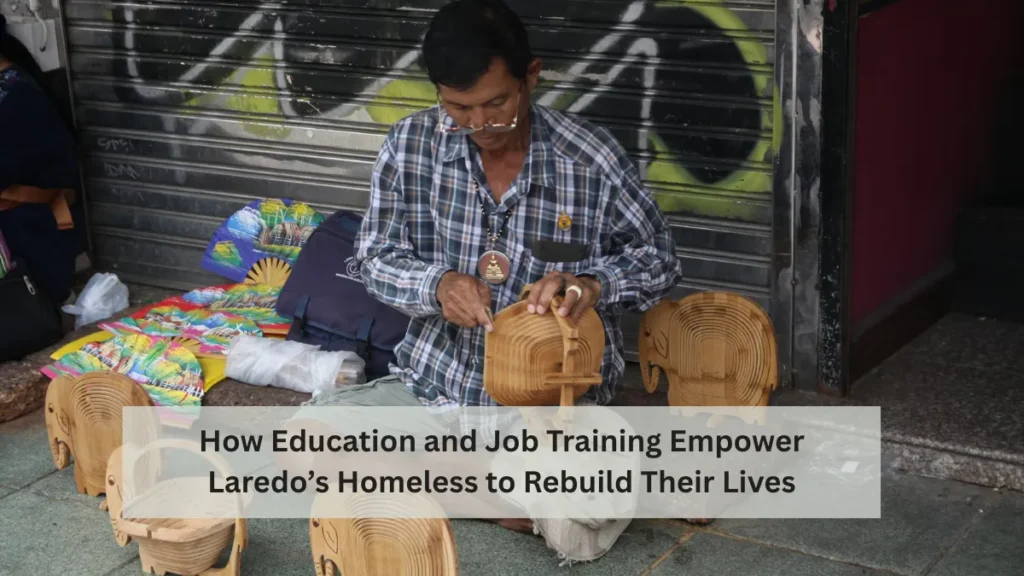
Providing shelter is vital, but self-sufficiency is the true path out of homelessness. The Coalition invests in job readiness programs that teach essential skills such as resume writing, interview techniques, and workplace etiquette. Collaborations with local employers and vocational centers open doors for individuals who are ready to rejoin the workforce.
This focus on employment transforms lives. Gaining a steady income rebuilds confidence and provides a foundation for long-term stability. Success stories of individuals who have transitioned from homelessness to full-time employment serve as a source of motivation for others in similar situations.
The Role of Volunteers and Public Participation
Volunteers are the backbone of the Coalition’s success. They help distribute supplies, organize fundraising events, and provide mentorship. Community members often underestimate the difference they can make, but every act of kindness—whether donating clothing or serving at a shelter—creates a ripple effect.
The Coalition encourages residents to participate in outreach drives and educational workshops. These activities help dismantle stereotypes about homelessness and foster empathy across social divides. When the public becomes part of the solution, the community grows stronger and more connected.
Education and Advocacy for Long-Term Change
Beyond immediate assistance, the Coalition plays an active role in advocacy and education. They work to influence public policy and raise awareness about the systemic barriers that perpetuate homelessness. By organizing public forums and collaborating with schools and universities, they promote understanding of the issue’s complexity.
The Coalition also conducts annual counts to gather accurate data on the local homeless population. These findings inform policy recommendations and guide resource allocation. This evidence-based approach ensures that strategies are both effective and accountable.
Stories of Resilience and Recovery
Behind every statistic is a story of resilience. The Coalition has helped countless individuals reclaim their independence through consistent support and encouragement. One woman, once living under a bridge, now works as a caregiver and mentors others facing homelessness. Another individual who battled addiction now volunteers as an outreach coordinator, using his experience to inspire hope.
These stories highlight the Coalition’s core belief: change is possible when people are treated with dignity and compassion. Their success demonstrates that even the smallest gesture of kindness can spark transformation.
Overcoming Challenges in Funding and Resources
Despite its impact, the Coalition faces ongoing challenges. Limited funding, staff shortages, and increasing demand strain their operations. Yet, through innovative partnerships and community-driven initiatives, they continue to adapt. Creative fundraising campaigns, donation drives, and grant programs help sustain their services.
The Coalition also invests in training for its staff and volunteers, ensuring they are equipped with the latest knowledge on trauma-informed care, crisis intervention, and community engagement. This commitment to professionalism enhances both trust and efficiency in their outreach efforts.
The Broader Impact on Laredo’s Community
The Coalition’s efforts have far-reaching benefits. By reducing homelessness, the community experiences improved public health, greater safety, and stronger social cohesion. Businesses report fewer disturbances, and public spaces become more inclusive. Families feel more secure knowing that support systems are in place for those who fall on hard times.
Moreover, the Coalition’s work fosters civic pride. Residents see firsthand that compassion and collaboration can create real change. This shared sense of purpose strengthens Laredo’s identity as a caring, forward-thinking community.
How Other Cities Can Learn from Laredo
Laredo’s Homeless Coalition offers a model that other cities can emulate. Their success stems from consistent outreach, interagency collaboration, and community involvement. Other municipalities can replicate these principles by establishing clear communication channels among service providers, investing in prevention programs, and involving citizens in advocacy.
The key lesson is that homelessness cannot be solved by one organization alone—it requires a united community effort. When people, policies, and compassion align, transformation follows.
Conclusion: A Future Built on Compassion and Action
The story of Laredo’s Homeless Coalition is one of resilience, teamwork, and unwavering compassion. Their work proves that lasting change begins when communities choose empathy over indifference. Through outreach, education, and empowerment, they continue to transform lives and inspire others to act.
Homelessness may be a complex issue, but it is not insurmountable. Laredo’s example reminds us that by working together, any community can build hope, one person at a time. The next step for readers is simple: engage, volunteer, and support local initiatives that make a tangible difference. Change starts with participation—and hope thrives when compassion becomes action.
FAQs
What is the main goal of Laredo’s Homeless Coalition?
To end homelessness by providing housing, outreach, and supportive services that restore dignity and stability.
How does the Coalition help homeless individuals?
It offers shelter, food, healthcare, job training, and mental health support through coordinated outreach efforts.
Can volunteers participate in outreach programs?
Yes, volunteers play a vital role in distributing supplies, mentoring individuals, and assisting in awareness campaigns.
What challenges does the Coalition currently face?
Limited funding, high demand for services, and staff shortages make sustaining programs an ongoing challenge.
How can residents support the Coalition’s mission?
By volunteering, donating supplies, or spreading awareness to promote empathy and community engagement.